







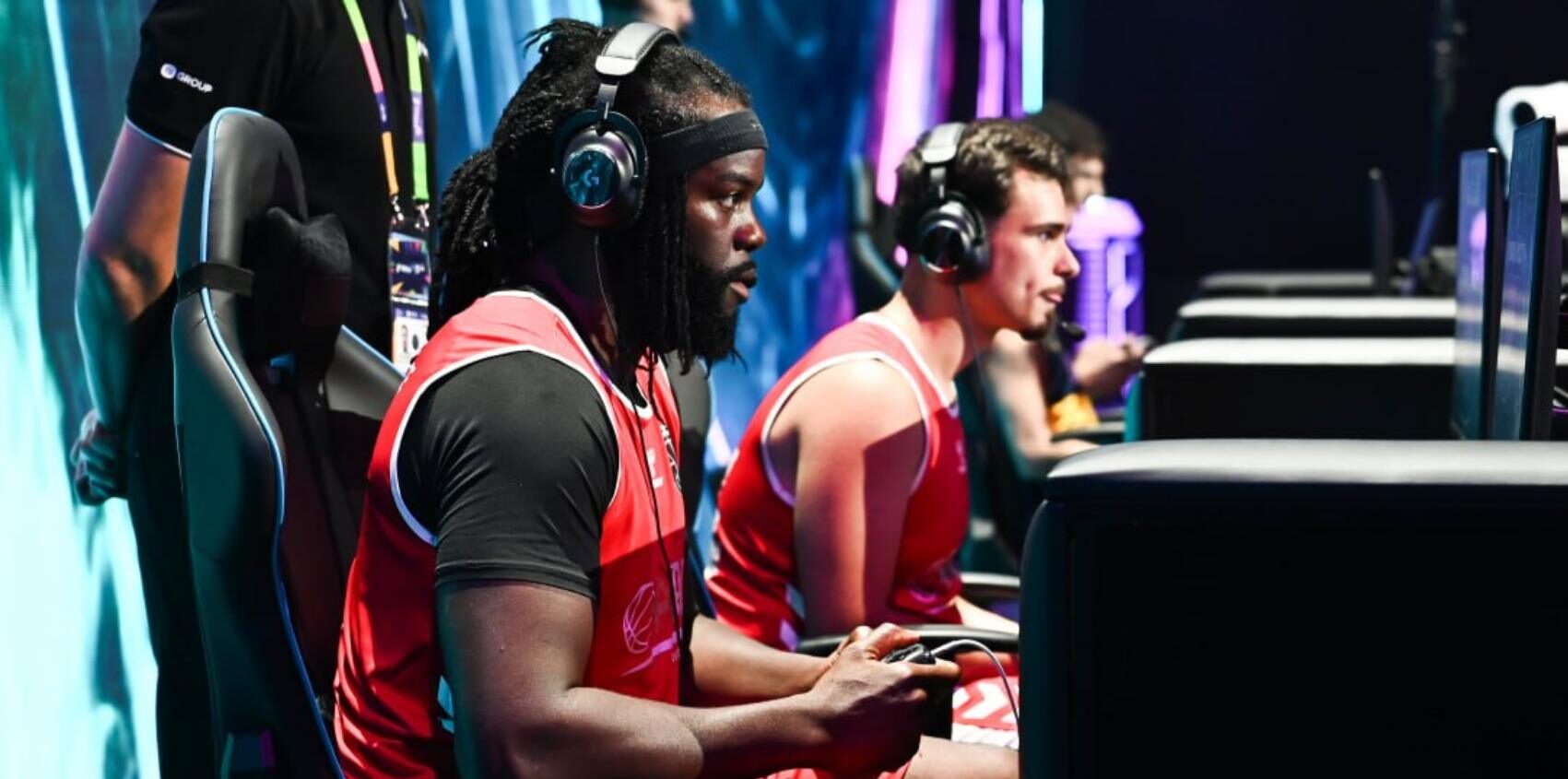

Phygital Basketball took centre stage at the Games of the Future 2026 in Astana, where SKWEEK spoke with Dominique Gentil about the evolution of a sport that combines gaming with physical competition.


Combining digital gaming with physical competition, phygital creates a new kind of sporting experience where players are challenged both on the screen and on the court. As the sports landscape continues to evolve, the emerging discipline is opening new possibilities for athletes, attracting younger generations and offering a different way to experience competition.
In this exclusive interview at the Games of the Future 2026 in Astana, Dominique Gentil reflects on his transition from the world of 3×3 basketball to phygital and what makes the discipline so unique. He discusses the challenge of moving seamlessly between the digital and physical sides of the game, the excitement of competing in a completely new environment, and why he believes phygital can appeal to both traditional athletes and gamers.
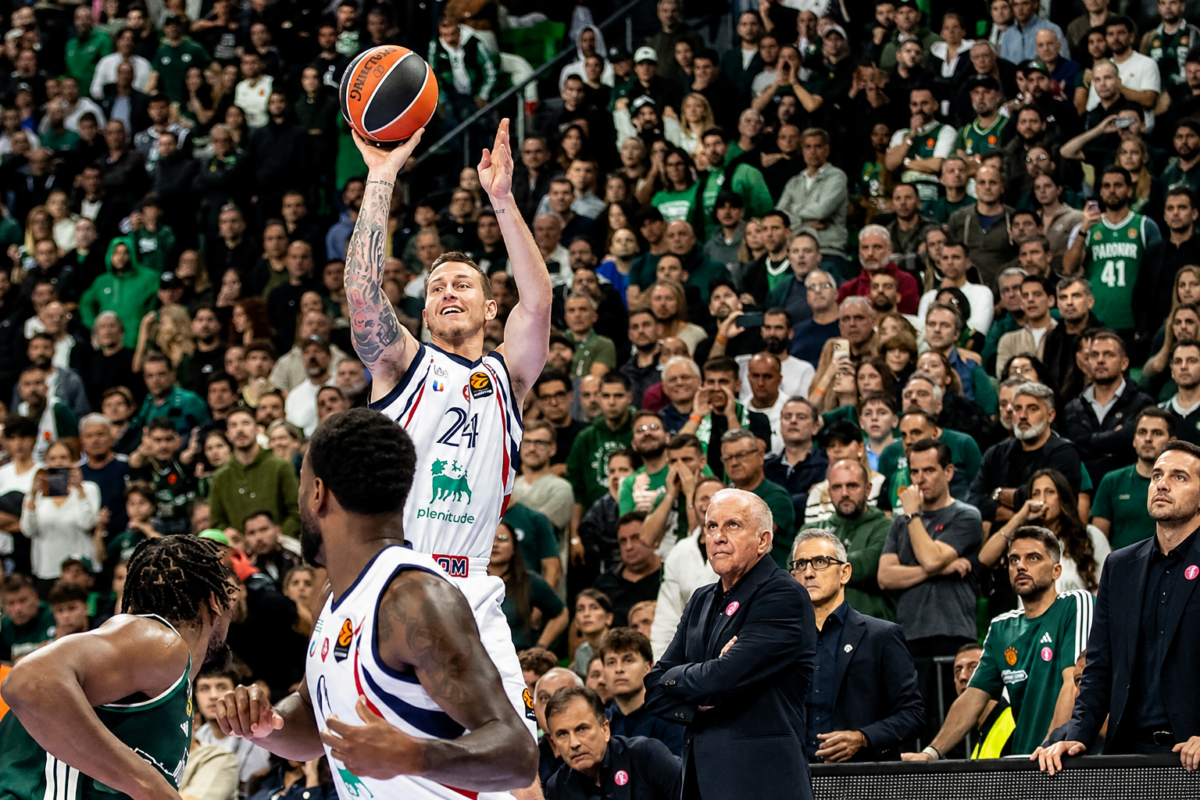

Gentil also shares his vision for the future, from introducing phygital to a new generation of players to helping build a Phygital Basketball scene in France. For him, the appeal is simple: you can come for the gaming, but the experience can ultimately bring you back to the physical side of sport.
You’ve witnessed the journey of 3×3 basketball from an alternative format of the game to an Olympic sport. Do you see phygital following a similar path of growth and recognition?
Honestly, I think phygital has a lot of potential. It’s not very well known yet, but it is becoming more popular and gaining more attention every year.
I’ve seen how 3×3 has grown over time, and I know that building recognition for a new format takes patience, hard work and consistency. Phygital is still at an early stage, but I definitely believe it has the potential to grow, reach more people and gain greater recognition.
The important thing is to keep developing the game, creating opportunities for players and allowing phygital to build its own identity. Then we’ll see how far it can go.
Phygital can shape the future of sport
Where do you see phygital sports ten years from now? Do you believe they will become an established part of the global sports landscape?
I really think so. I think phygital has something very unique because it brings together digital gaming and physical sport, connecting two different communities in the process. You can attract traditional athletes, but also e-gamers, and that creates a much wider audience and a lot of possibilities for the future.
I think that is one of the biggest strengths of phygital. It can connect people who might not normally follow the same type of competition. You have the physical side, the athletic skills and the intensity of sport, but you also have the digital side, which is already extremely popular, especially among younger generations.
The rise of e-gaming has also shown how powerful live streaming can be. Millions of people are already comfortable watching competitions online, following players and teams, and engaging with digital content in real time. If phygital can bring that audience together with the energy and emotion of physical sport, I think it has a real opportunity to become an established part of the global sports landscape.
Ten years is a long time, so it is difficult to predict exactly where it will be. But I definitely believe the potential is there, and I would not be surprised to see phygital become much bigger and much more familiar to sports fans around the world.
You’ve already built your legacy in 3×3 basketball. By being part of the phygital movement, do you feel you’re also becoming part of something that could shape the future of sport?
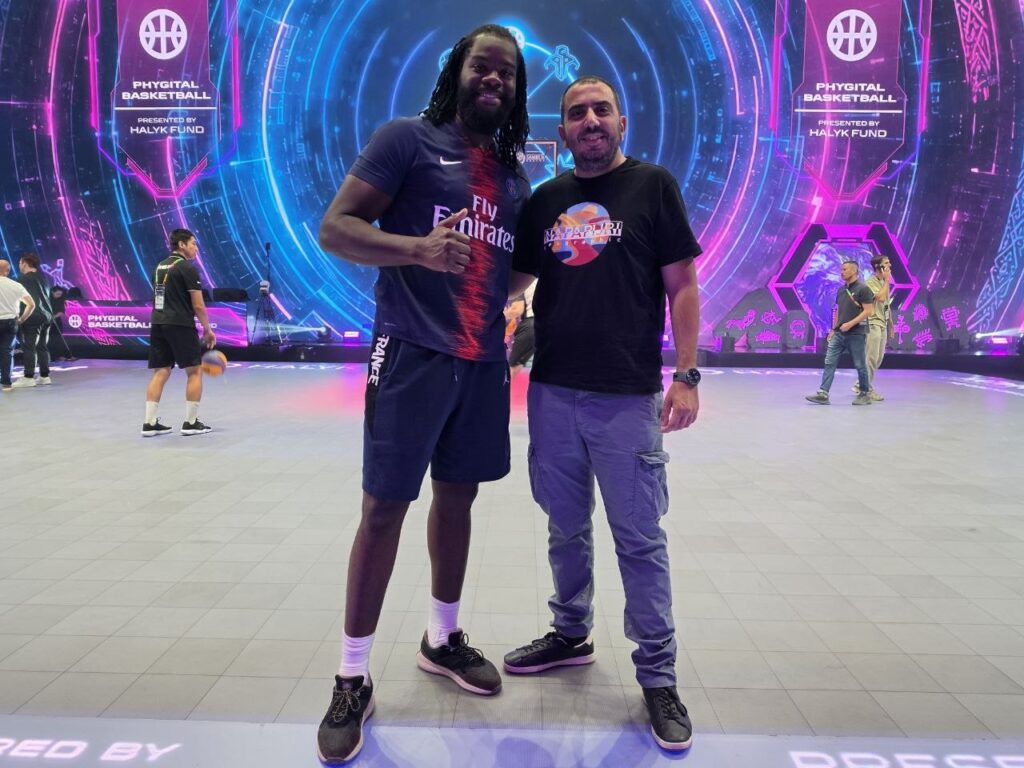
Definitely, yes! That’s also one of the reasons why I came here to Astana for the Games of the Future 2026. I was one of the pioneers of the Phygital movement in France, and I really want to help bring it to a much bigger audience there. At the moment, phygital is not well known in France at all. Most people have never heard of it, so I would love to be one of the first people to help build that culture.
I want to create teams and opportunities in different sports, whether that’s football, basketball or other disciplines. Maybe one day, when I stop playing, I could even see myself becoming the president of Phygital France! It’s something that is genuinely in my head because I believe France has a great sporting culture and a strong tradition of tournaments and competition.
But for me, there is also a bigger message behind phygital. The younger generation is already living online, but they still need physical sport in their lives. Sport is one of the best teachers — it teaches you about discipline, teamwork, competition, respect and how to deal with both success and failure.
If you can attract young people through digital content and livestreaming, and then encourage them to get involved in physical sport as well, I think that is something really positive. That is what makes the idea so interesting to me. It is not only about creating a new type of competition; it can also be a way to connect with the next generation and encourage them to become more active through sport.
Do you see phygital as the natural next step in the evolution of sport, or as an entirely new discipline with its own identity and future?
No, I really think it’s going to be something new. For me, phygital is very different from traditional sport because you are asking the athlete to combine two completely different types of skills and move between them in a very short period of time.
I can speak from personal experience because I do both. I play basketball, but I also play the digital part, and the transition between the two is not easy. You have to compete on the console, stay focused and make decisions in a completely different environment, and then suddenly you have to switch your mindset and go straight onto the court.
I’ve been playing basketball professionally my whole life, and I’ve never experienced anything quite like that. In traditional basketball, you prepare for the game in one environment. In phygital, you have to be ready for two different challenges and be able to switch between them immediately.
That’s why I see it as a new discipline with its own identity. Even if you are a very good athlete or a very good gamer, you still have to experience it to understand how demanding that combination really is. You have to try it yourself to understand how crazy — and how unique — the experience can be.
I had never seen a court like this before!
What do you see in phygital today that makes you optimistic about its future?
I think one of the reasons I’m optimistic is that it combines something that will always be important with something that is becoming more and more powerful: physical sport and the digital world.
Sports are always going to be here. We need physical activity to stay healthy, to feel good, to manage stress and simply to live a better life. Everybody needs some form of physical activity, and I believe that will always be the case. That’s why I see the physical side of phygital as something very strong for both the present and the future.
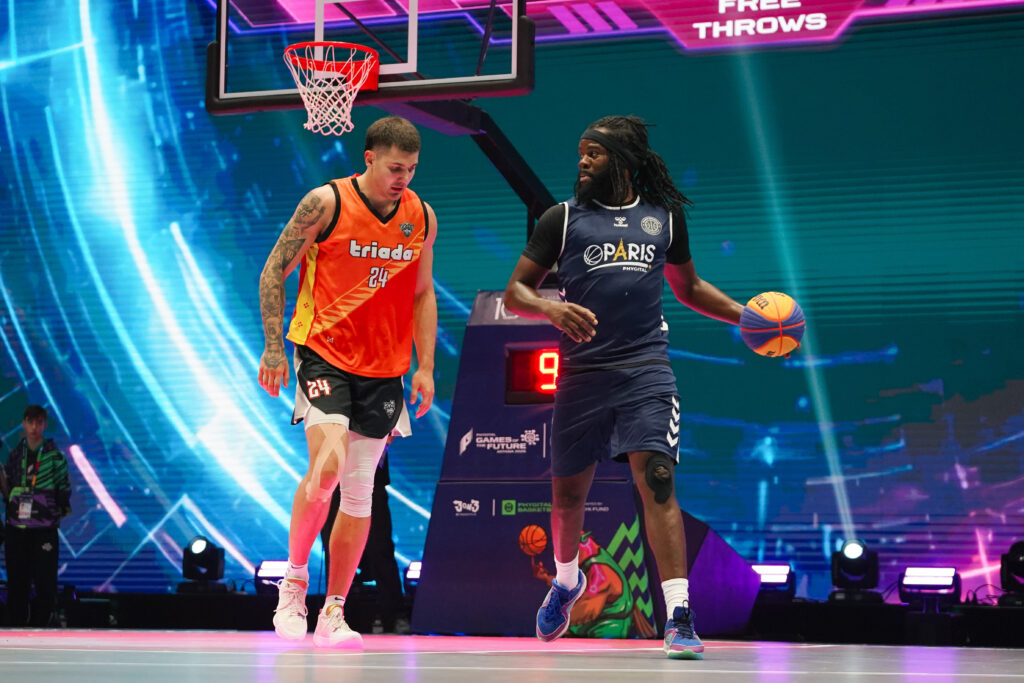
But then you add the digital part, and that is where things become really exciting. I had never seen a court like this before, with the lights built into the floor and the technology creating such a different environment. It completely changes the feeling of the game.
For me, that combination is what makes phygital so interesting. You keep the physical challenge and everything that sport gives you, but you add a new digital experience that can make competition more exciting and attractive, especially for younger generations.
So yes, I really believe there is a future for it. We are still at the beginning, but when you see what is possible with the technology and combine it with something as universal as sport, it’s easy to understand why I’m optimistic.
This seems like a strong response to those who argue that video games distract young people, keep them at home and take them away from physical activity. Could this combination be a way to bring those two worlds together?
Yes, exactly. That’s also what I had in mind when I started thinking about phygital. I believe it can help take the younger generation beyond the purely digital world and bring them into the physical world as well.
It’s almost like a simple message: “Come for the gaming, but stay to be a physical person.” You attract them with something they already love and understand, but then you give them a reason to get up, move, compete and interact with other people in a physical environment.
For me, that is one of the most positive things about phygital. It doesn’t tell young people to stop gaming or give up the digital world. Instead, it uses that interest as a starting point and adds something physical to it. If we can find that balance, I think it can be a really powerful message for the next generation.
I want to help build the phygital basketball scene in France
If someone was experiencing Phygital Basketball for the first time, what would you tell them makes it such an exciting part of the future of sport?
First of all, I would talk about the environment. Even if you don’t love basketball, when you come here and see everything around you, you immediately think, “Wow!” The level of production, the presentation, the lights and the way everything is put together are really impressive. They have taken the entertainment and production side to a very high level.
Then, when you actually start watching a game, you feel the atmosphere. The crowd is very close to the court, so you are right in the middle of the action. Even if you don’t know much about phygital or you are seeing it for the first time, you can feel the energy and understand that something different is happening.
That’s why I would simply say: come and watch it. Don’t just watch the livestream. Come to an event, sit close to the court and experience the atmosphere for yourself. I think you will understand it straight away.
For me, it’s still crazy to see people sitting in an arena, watching a video game on a huge screen and then immediately seeing the action move to the physical court. It’s something you have to experience in person to really understand.
So, my advice is simple: come, watch and see for yourself. I think the experience will speak for itself.
Finally, what would you say to those who still doubt phygital and ask, “Is this really a sport?”
Just come, try it and see for yourself. That’s really what I would say: come and experience it. It is real basketball. The players compete with incredible intensity and give 100%, so once you see it in person, I think you understand very quickly that this is a serious competition.
And honestly, every basketball player I know would love to try it. Even when I post something about phygital on Instagram, people immediately ask me, “What is this? The lights on the floor! I want to try it!” That reaction tells you something.
That reaction is also why I want to help build the phygital basketball scene in France. I know I can bring a lot of good players into it and help build teams and a real phygital basketball community there.
So, to anyone who still doubts it, my answer is simple: don’t judge it before you try it. Come, play it, feel the intensity and see what it is for yourself. I think you’ll be surprised by how much you enjoy it.