














The name printed on the back of a jersey is not always inherited. For some basketball players, it represents childhood, religion, heritage or even a message they want to share with the world.


A surname usually helps identify the player wearing the jersey. In some cases, however, the name becomes part of a much deeper personal story.
Nenê



Born Maybyner Rodney Hilário, the Brazilian center was nicknamed “Nenê”—Portuguese for “baby”—because he was the youngest member of both his family and his childhood group of friends. In 2003, he legally changed his name to simply Nenê, which was also the only name displayed on his NBA jersey. A childhood nickname had become his complete public identity.
Kareem Abdul-Jabbar
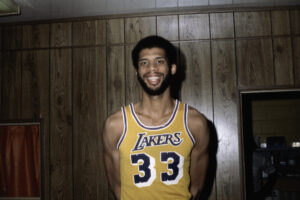
Before becoming one of basketball’s greatest players, Kareem Abdul-Jabbar was known as Lew Alcindor. After converting to Islam, he publicly adopted his Muslim name in 1971. Its meaning—roughly translated as “noble servant of the Almighty”—reflected his faith and his desire to reconnect with a heritage he felt had been taken from his family.
Mahmoud Abdul-Rauf

The explosive Denver Nuggets guard entered the NBA as Chris Jackson. Following his conversion to Islam, he officially became Mahmoud Abdul-Rauf in 1993. The new name represented his spiritual awakening and an identity that would later become inseparable from his social and political convictions.
Metta World Peace

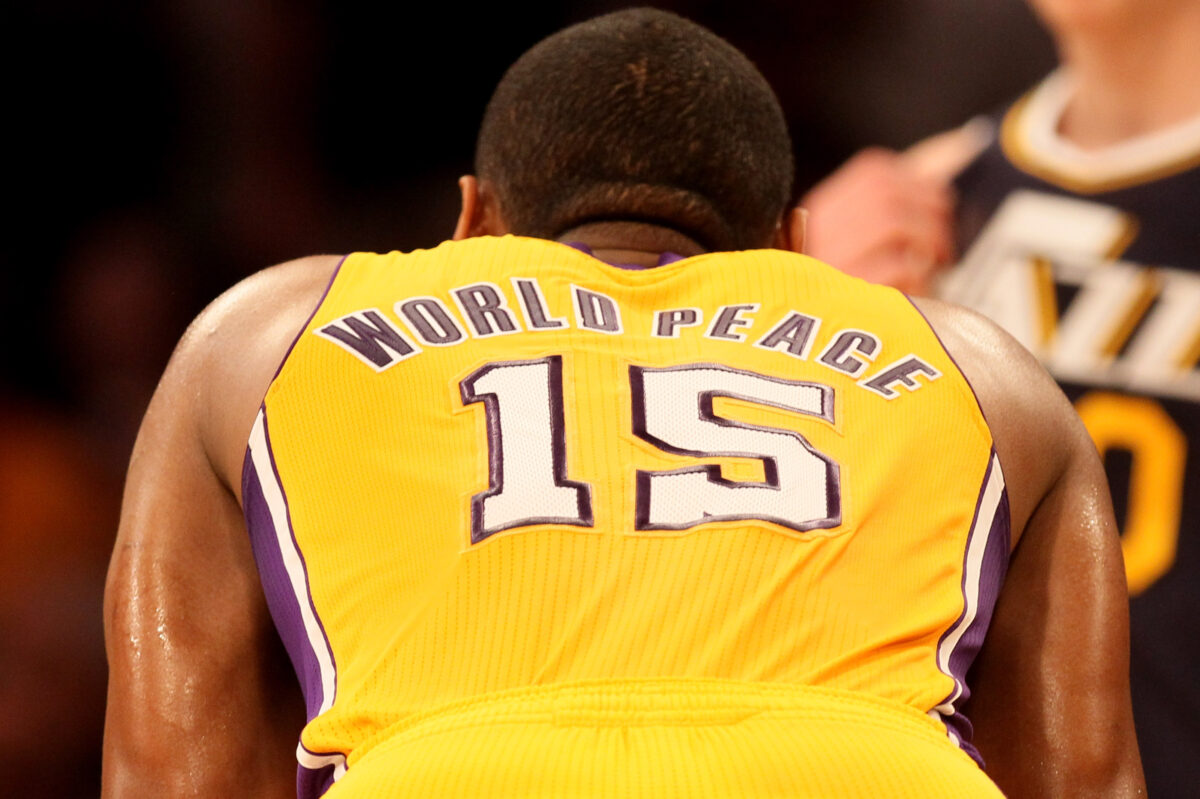
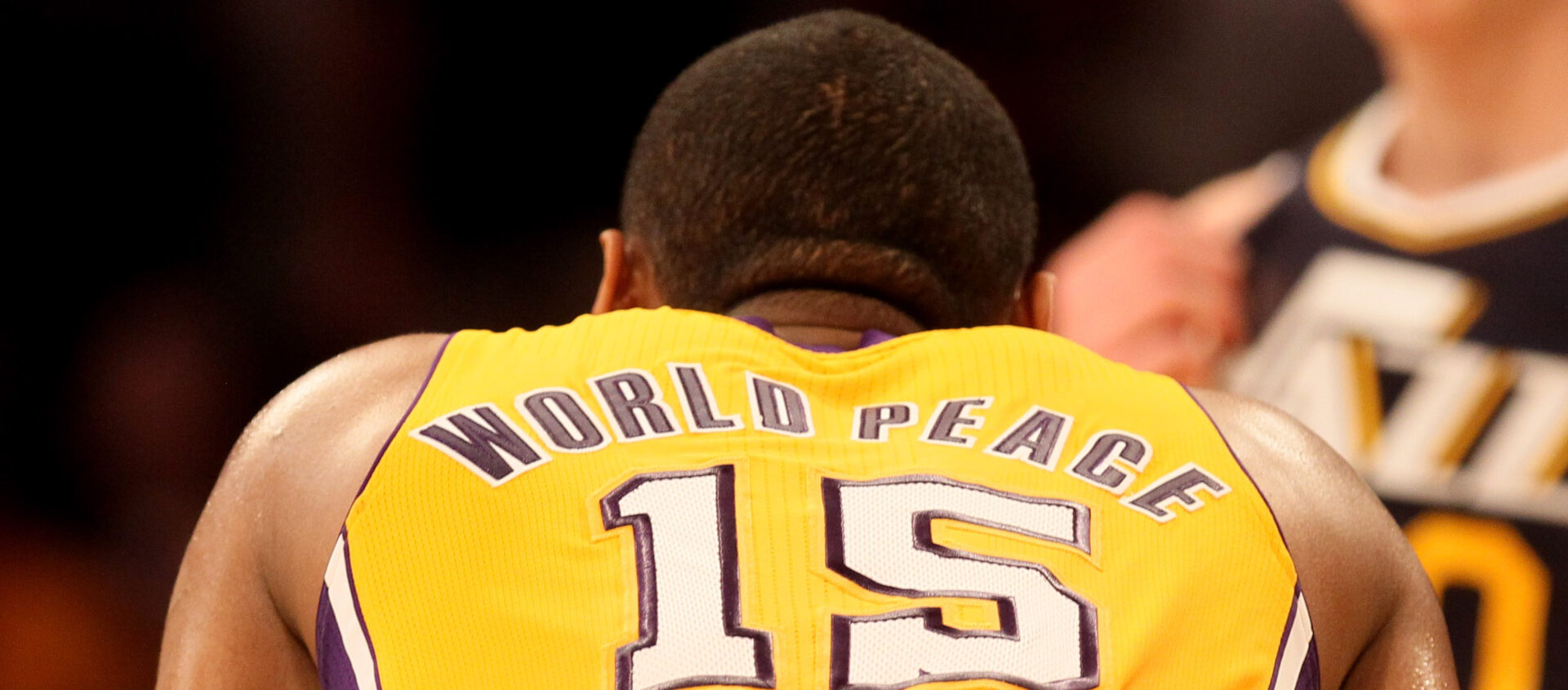
Ron Artest produced one of basketball’s most memorable jersey nameplates when he became Metta World Peace in 2011. “Metta” is a Buddhist term connected to loving-kindness and friendliness, while “World Peace” expressed his ambition to inspire and unite young people across the globe.
Enes Freedom

After becoming a United States citizen in November 2021, Enes Kanter added “Freedom” to his legal name and placed it on his Boston Celtics jersey. For the former NBA center, the word represented freedom of speech, religion and expression—rights he said he could not fully enjoy while growing up in Turkey.
Five jerseys, five different stories. Each one proves that the name on a player’s back can reveal far more than the identity listed on a birth certificate.