
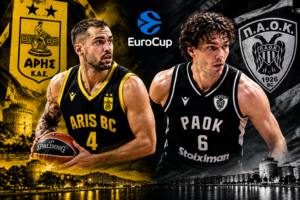


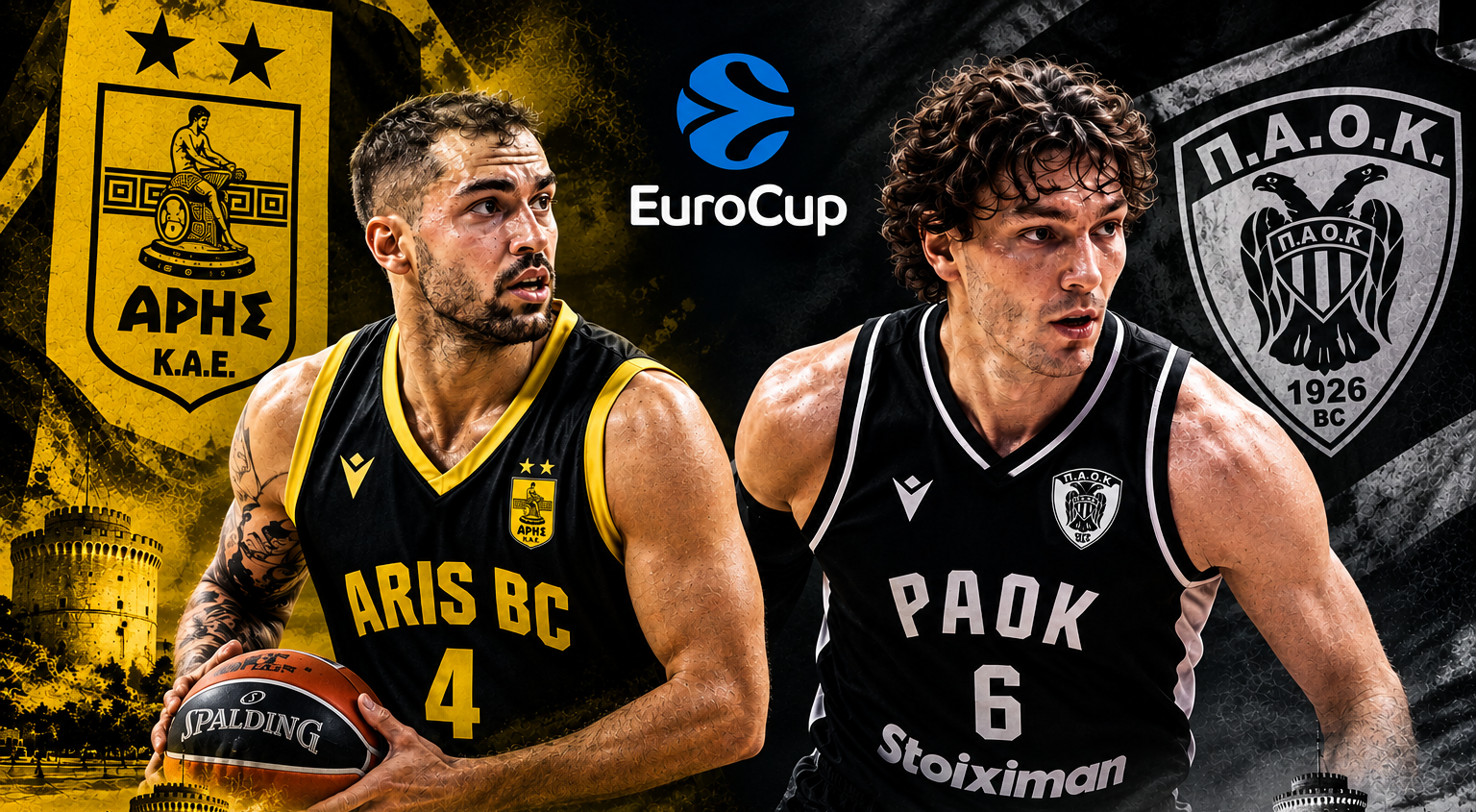
Aris and PAOK enter the new EuroCup from different starting points, with different weapons and two coaches already shaping their teams in their own image. The common denominator, however, is clear: a return to the EuroLeague.


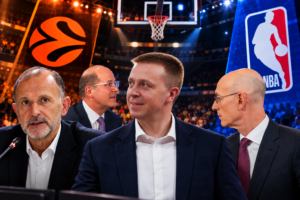
Thessaloniki will have two representatives in the EuroCup this season and, for the first time in several years, the interest surrounding the second-tier Euroleague Basketball competition is about more than simply taking part. The expansion of the EuroLeague to 24 teams from the 2027/28 season also raises the importance of the EuroCup, with two places already announced for teams emerging from the competition.
The EuroCup itself is expanding, with 32 teams split into four groups of eight, while the top four from each group will advance to the knockout stage, where every series from the Round of 16 through the Finals will be played in a best-of-three format. In such a demanding environment, Aris and PAOK are not simply looking for a strong European campaign. They are building, in different ways, a route they hope can take them all the way to the top.
Aris: EuroCup continuity, a new team and new demands
Aris have one advantage that cannot be overlooked: they know the competition. This will be their fourth consecutive EuroCup season and, with a five-year license, the club has established a stable European foundation on which it can build for the years ahead.
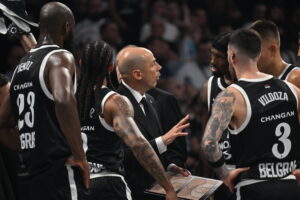
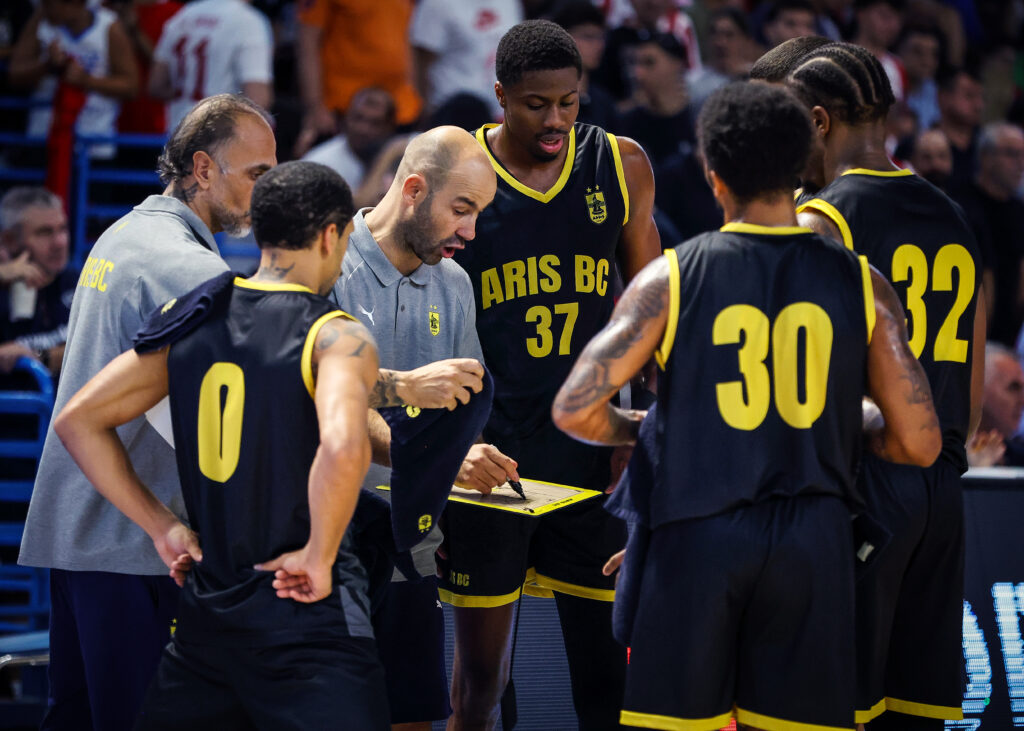
That does not mean, however, that this year’s team is simply a continuation of the previous ones. The arrival of Vassilis Spanoulis has changed the daily routine, the demands and, to a significant extent, the way Aris want to play and present themselves on the court. The roster features plenty of new faces, and the Greek coach has the task of bringing together players with different backgrounds, roles and skill sets in a short period of time.
In the backcourt, Aris can turn to players such as Nenad Dimitrijevic, Matt Morgan, Elijah Mitrou-Long, Adam Mokoka and Stefan Jovic, while Jeremiah Robinson-Earl, E.J. Liddell and Khem Birch offer different qualities in the frontcourt. Vassilis Toliopoulos, Lefteris Bochoridis and Vassilis Charalampopoulos add experience from the Greek game, while the presence of Kostas and Thanasis Antetokounmpo gives Spanoulis further options up front.
For Aris, the challenge is not so much finding talent as turning it quickly into a functional team. Spanoulis has already spoken about communication, execution, ball movement and hard work, pointing towards a team that does not want to rely solely on individual quality but instead aims to establish clear and consistent principles on both ends of the floor.
PAOK: A return that became an ambitious project from the outset
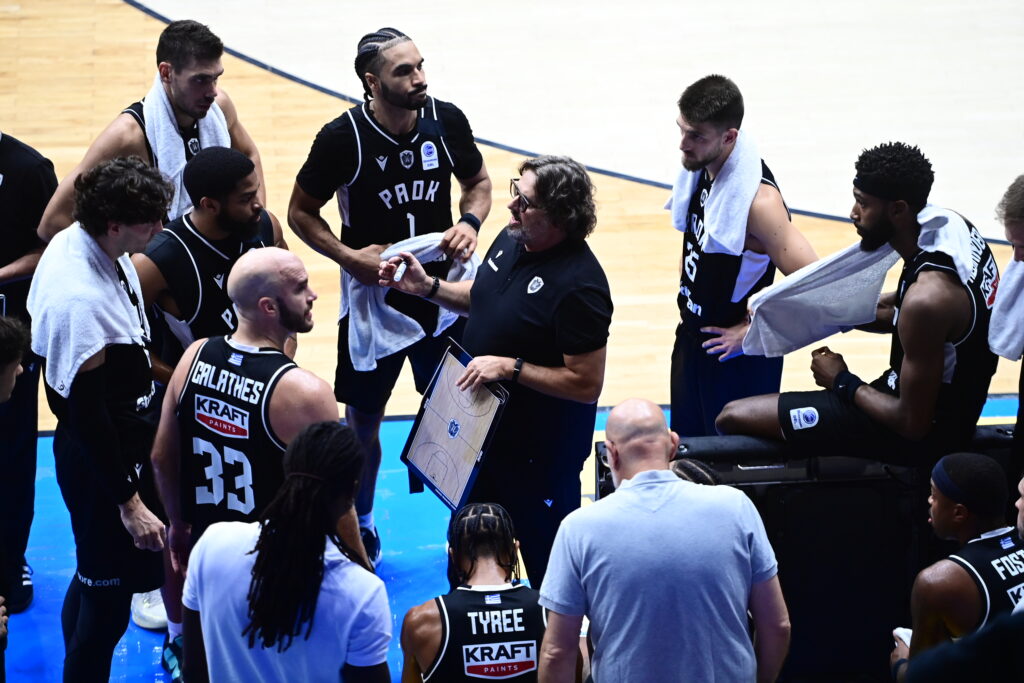
For PAOK, the starting point is different. The club returns to the EuroCup after a decade away, and that comeback has not been treated as a simple return to the European stage. Andrea Trinchieri agreed in March to take over from the 2026/27 season and has been actively involved in the planning ever since, allowing PAOK to work much earlier on both roster construction and the philosophy behind the new project.
The roster reflects that ambition. Nick Calathes brings experience, control of the tempo and playmaking, while Cedi Osman adds size and offensive quality on the wing. Players such as Marcus Foster, Trevor Hudgins, Kyle Alexander and Clifford Omoruyi complete a team built around players with significant experience at a high level of European basketball.
PAOK, therefore, are not simply embarking on a European campaign after a decade away. They are trying to build a core capable of competing in a deeper and more demanding competition from the very beginning. Osman has already stood out during the preseason, while PAOK have picked up important wins before the EuroCup gets underway. None of that guarantees what will happen once the competitive games begin, but it does suggest that the quality is there. The next challenge is turning that quality into consistency.
Spanoulis and Trinchieri: Two benches, two different approaches
The comparison between the two teams cannot be limited to the names on the roster. A significant part of the story lies on the two benches.
Spanoulis takes over an Aris team with several new pieces and has to establish, in a relatively short period of time, a system that allows players with very different profiles to function as one unit. The challenge will be finding the right balance between guard creation, athleticism on the wings and strength around the basket, without making the team overly dependent on one or two leading scorers.
Trinchieri, meanwhile, has players capable of handling high-pressure situations and reading the flow of a European game. Calathes is perhaps the clearest example, giving PAOK a player who can organize the offense and provide a reference point when the tempo slows down and every possession becomes more valuable.
That does not mean PAOK will need less time to develop. Quite the opposite. When a team brings together several personalities and offensive options, the difficult part is defining who gets the ball, when and in what situations, so that quality does not turn into inconsistency. That will be one of the biggest challenges facing Trinchieri.
Two rosters, two different questions
Aris appear to have more ways of changing the intensity of a game through athleticism, energy and the variety of their perimeter options. PAOK, meanwhile, have greater experience and more players accustomed to competitions in which managing a tight game can be just as important as pure talent.
That is why the questions surrounding the two teams throughout the season will be different. For Aris, the key issue is how quickly the new roster can develop chemistry, establish automatisms and become a consistent team. For PAOK, the question is whether the quality and experience of their players can translate into consistency from week to week, particularly once the schedule becomes more demanding and the playoffs begin.
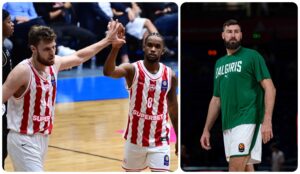
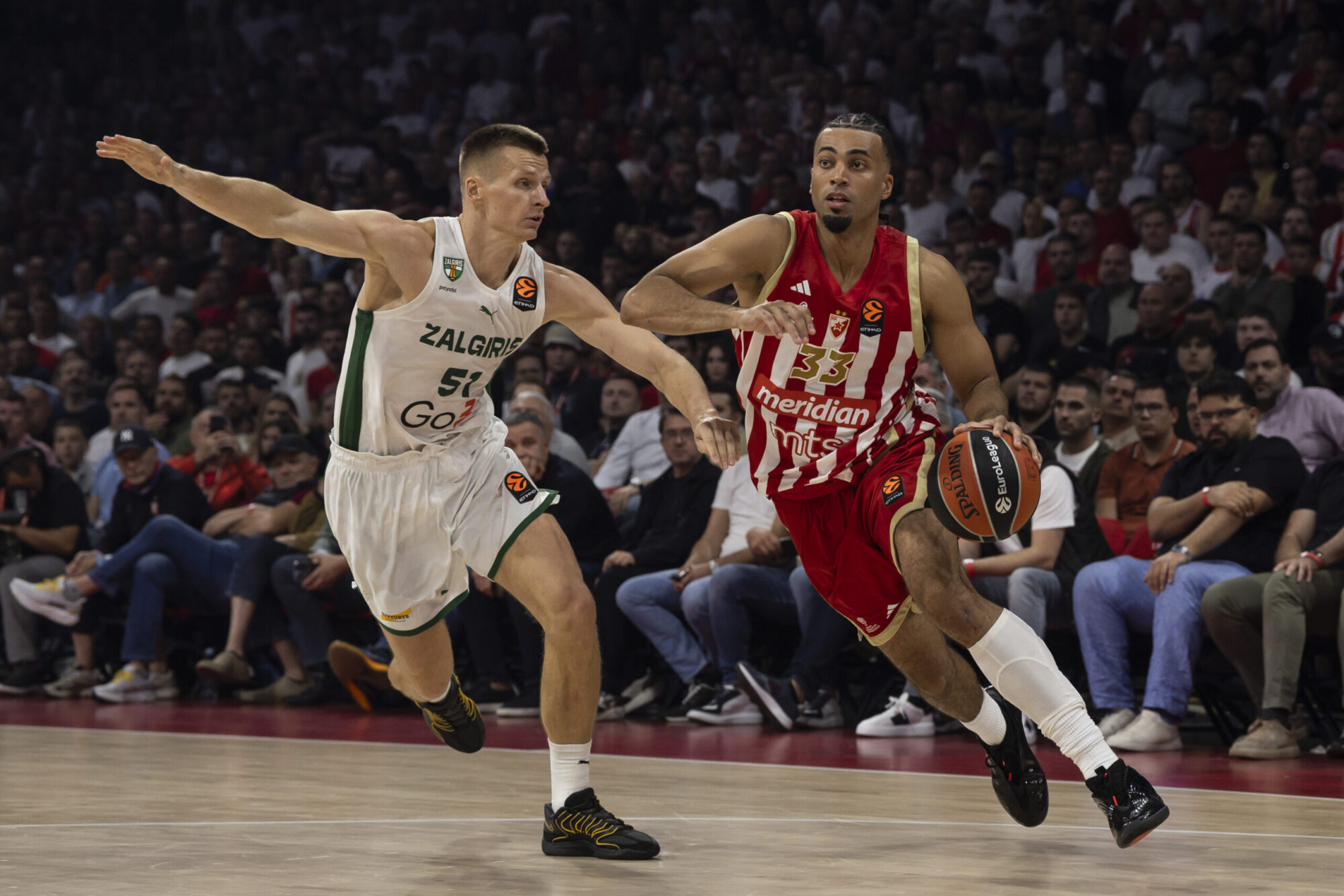
Both teams, however, face group stages that leave little room for off nights. Aris are in a group with Le Mans, Hapoel Jerusalem, Burgos, Cedevita Olimpija, Tortona, Rostock and Riga Zelli, while PAOK will face Monaco, Bahcesehir, Manresa, ratiopharm Ulm, Roma, Lietkabelis and Balkan Botevgrad.
The top four teams in each group will advance, with every subsequent playoff series requiring two wins to progress. That means a team’s position in the group will be about more than prestige; it could also shape the route it has to take once the EuroCup reaches its decisive stages.
The same city, the same ultimate ambition
Aris have already established continuity in the competition and now want to take that presence to another level, with a new head coach and a roster capable of offering more options. PAOK return after ten years away and are looking to turn that comeback into the starting point of a much bigger cycle, having invested early in Trinchieri and in a roster with significant experience.
The two teams, then, are not starting from the same place, nor have they been built in the same way. What brings them together is the fact that the EuroCup is not being treated as an end in itself. The pursuit of the top of the competition carries even greater significance with the EuroLeague set to expand to 24 teams from 2027/28, making the EuroCup part of the route towards that new landscape.
Aris want to turn their established presence into a genuine push at the top. PAOK want their return to mean much more than simply participating. The answer will not come in September, nor in the first impressive wins of the season. It will come when the EuroCup moves from the group stage into the playoff series, where roster quality, coaching adjustments and a team’s ability to handle the details begin to matter more than first impressions.