
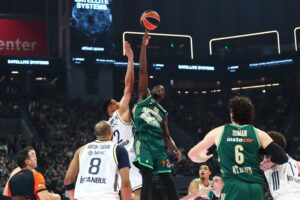


European basketball has rarely stood at a more consequential crossroads. The NBA’s ambitions on the continent are no longer theoretical. EuroLeague clubs are signing long-term licenses and attracting new investors. FIBA continues to defend its position in an increasingly fragmented ecosystem, while private capital, new arenas, and emerging markets are reshaping the sport’s economic foundations.


In this environment, influence is no longer measured solely by championships, points scored, or games won. The people shaping European basketball today are those capable of directing investment, controlling competitions, influencing player movement, building new organizations, and determining how the game evolves over the next decade.
Some operate from boardrooms. Others wield influence through ownership, player representation, or global star power.
Together, they represent the individuals most responsible for defining what European basketball will become.
1. Adam Silver (64)
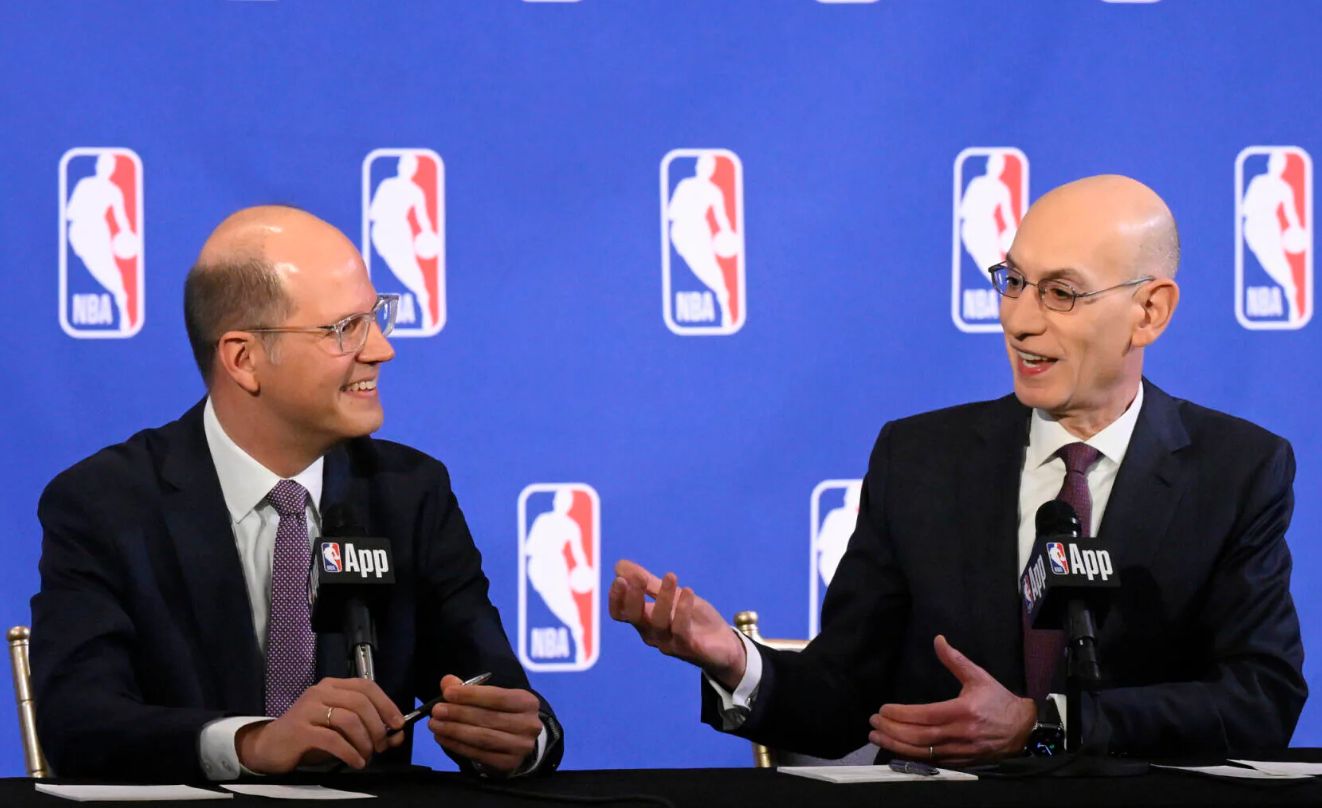
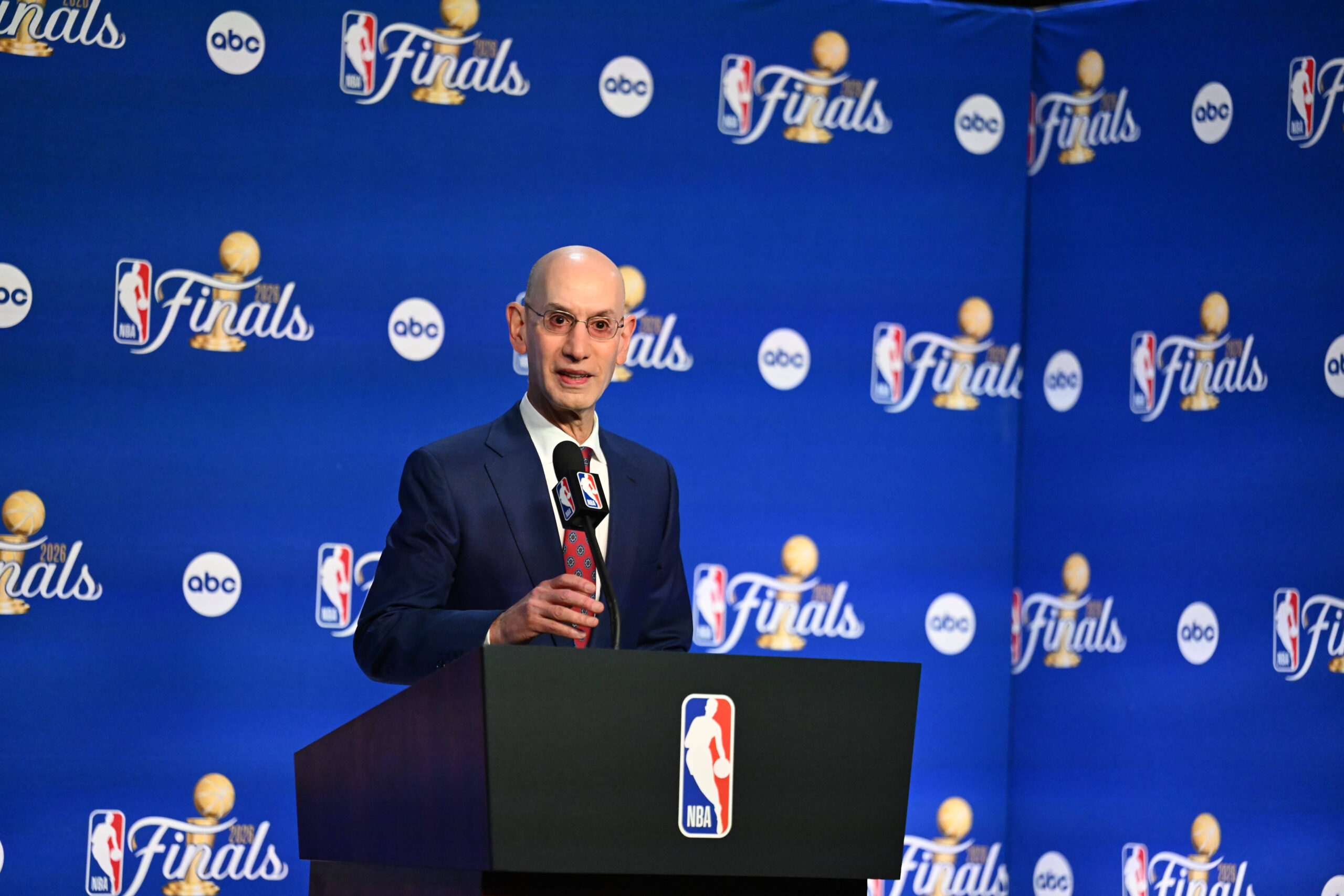
No individual has had a greater impact on European basketball’s future than the NBA commissioner. Even before a single NBA Europe franchise has been officially announced, Silver’s vision has already altered the behavior of clubs, investors, leagues and sponsors throughout the continent.
The mere possibility of an NBA-backed competition has accelerated EuroLeague reforms, attracted new investors to basketball projects, and forced organizations to reassess their long-term strategies. Cities such as London, Paris, Berlin and Rome are increasingly viewed through the lens of their NBA Europe potential, while clubs are investing in arenas and infrastructure with an eye toward a changing landscape.
Whether NBA Europe ultimately launches in 2027 or later, Silver has already changed the conversation. Few leaders in sports can influence an entire ecosystem simply by exploring a new idea.
2. Chus Bueno (56)
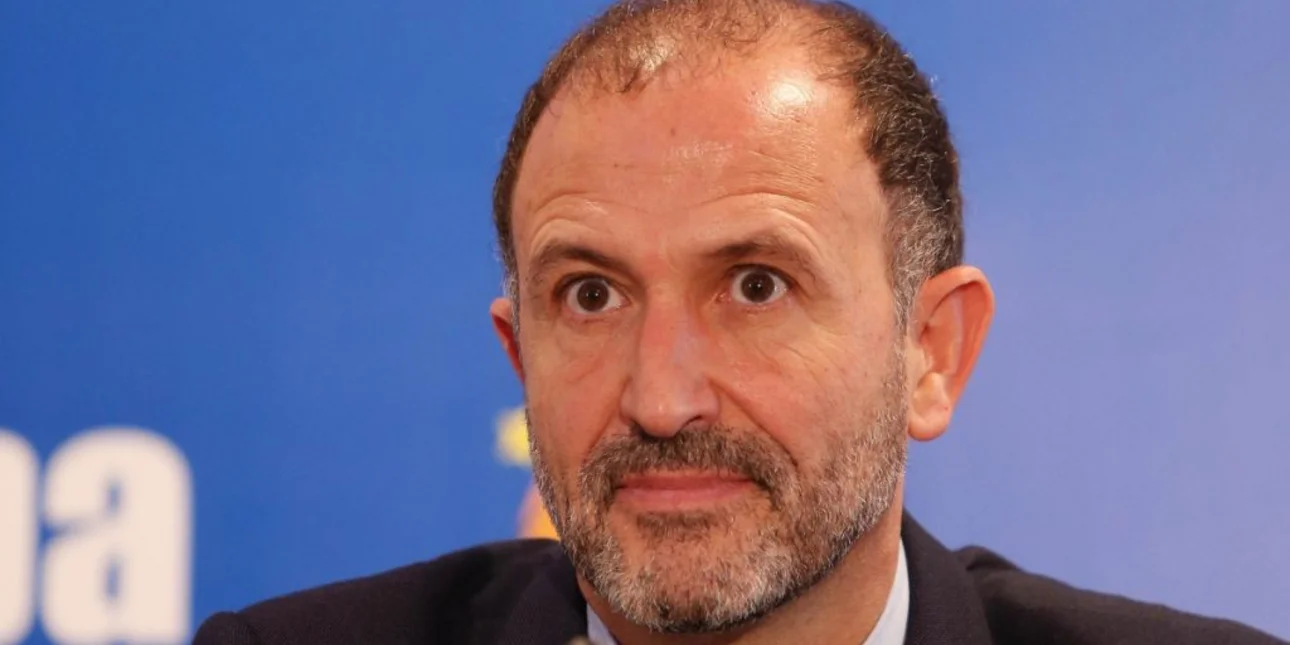
He achieved what many considered impossible: with NBA Europe seemingly threatening the very foundations of the EuroLeague, Chus Bueno not only managed to convince most clubs to commit to long-term agreements with the competition, but in less than six months (let’s not forget that he officially took over as CEO only last January) he has already strengthened Europe’s premier basketball tournament.
At the same time, he reinforced the EuroCup by expanding the number of participating teams, further reducing the risk of clubs being drawn toward FIBA competitions. It is no coincidence that Adam Silver referred to Chus Bueno by name- something he had not done since the Jordi Bertomeu era-, a clear indication of the respect and recognition he enjoys from the NBA Commissioner.
If he has accomplished so much in just half a year, then optimism about the future of the EuroLeague is more than justified. Wouldn’t you agree?
3. Mark Tatum (56)
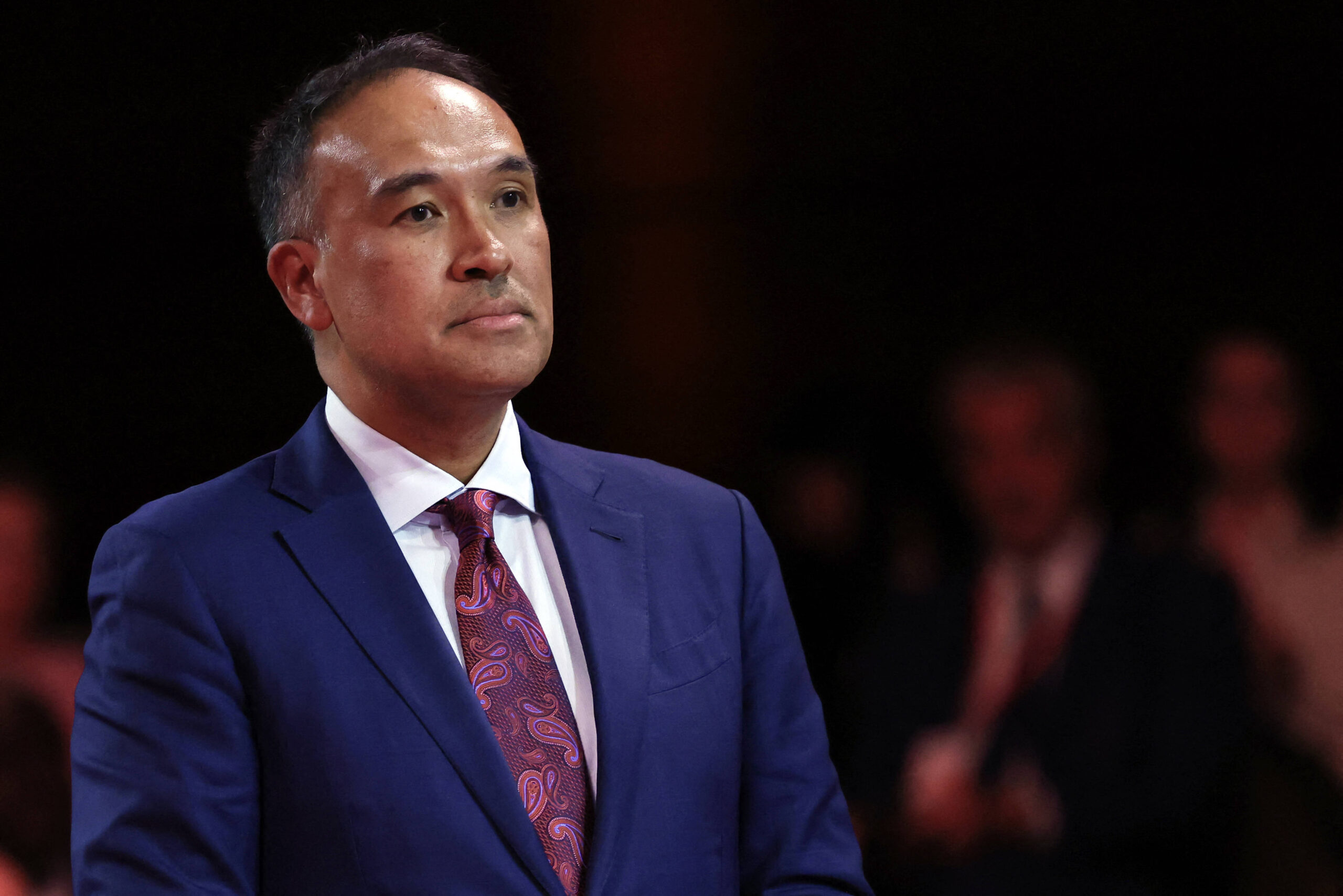
If Silver is the visionary, Mark Tatum is the executive tasked with turning vision into reality. The NBA Deputy Commissioner has become the league’s most visible figure in discussions involving international expansion, European basketball and future growth opportunities.
Tatum has spent years cultivating relationships with stakeholders across the continent, meeting with club executives, federation officials and investors while helping shape the NBA’s long-term international strategy. Many of the league’s exploratory discussions concerning Europe pass through his office.
While Silver sets the direction, Tatum often handles the practical realities of implementation. In many ways, he has become the NBA’s chief diplomat in Europe, making him one of the most influential figures in the sport’s future.
4. Dejan Bodiroga (53)
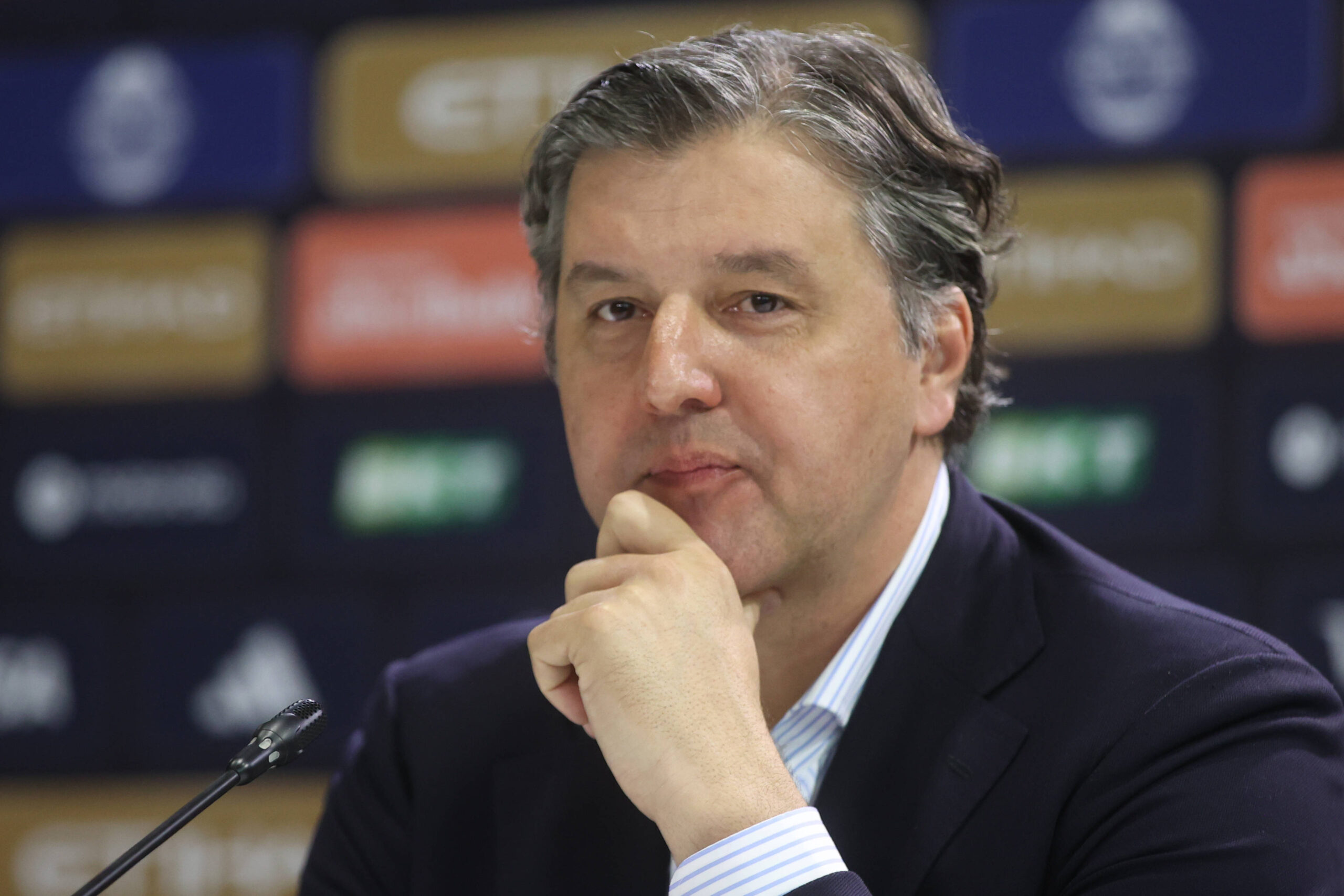
At a time when European basketball faces unprecedented external pressure, Dejan Bodiroga serves as both a symbol and a decision-maker. As EuroLeague President, the Serbian legend occupies one of the most important positions in the sport.
Bodiroga’s role extends far beyond ceremonial duties. He has become one of the key voices defending the EuroLeague model while helping guide discussions regarding expansion, governance and the league’s future relationship with both FIBA and the NBA.
His stature as one of Europe’s greatest players gives him credibility across virtually every basketball constituency. Players respect him. Club owners trust him. Fans identify with him. In an era defined by uncertainty, Bodiroga remains one of the continent’s most important basketball statesmen.
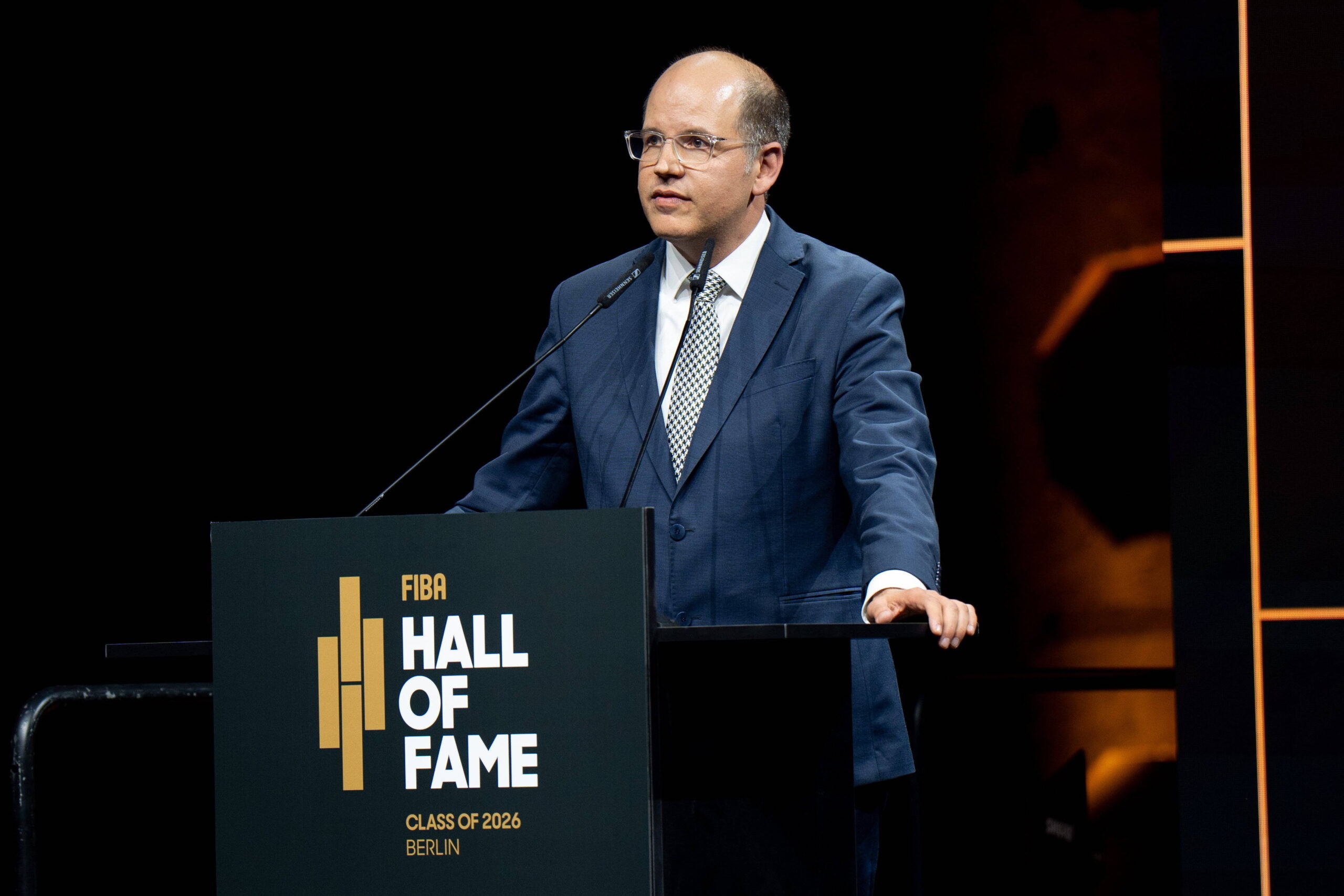
5. Andreas Zagklis (45)
Few people possess more institutional influence than the FIBA Secretary General. While public attention often focuses on club competitions, Zagklis sits at the center of the broader basketball ecosystem.
Olympic qualification, national teams, international calendars, youth development and Basketball Champions League all fall within FIBA’s sphere of influence. As discussions surrounding NBA Europe intensify, his role becomes even more significant.
Any major shift in European basketball’s structure will inevitably involve FIBA. That reality places Zagklis in a unique position as both mediator and power broker. His ability to navigate relationships between leagues, federations and international governing bodies makes him one of the sport’s most consequential figures.
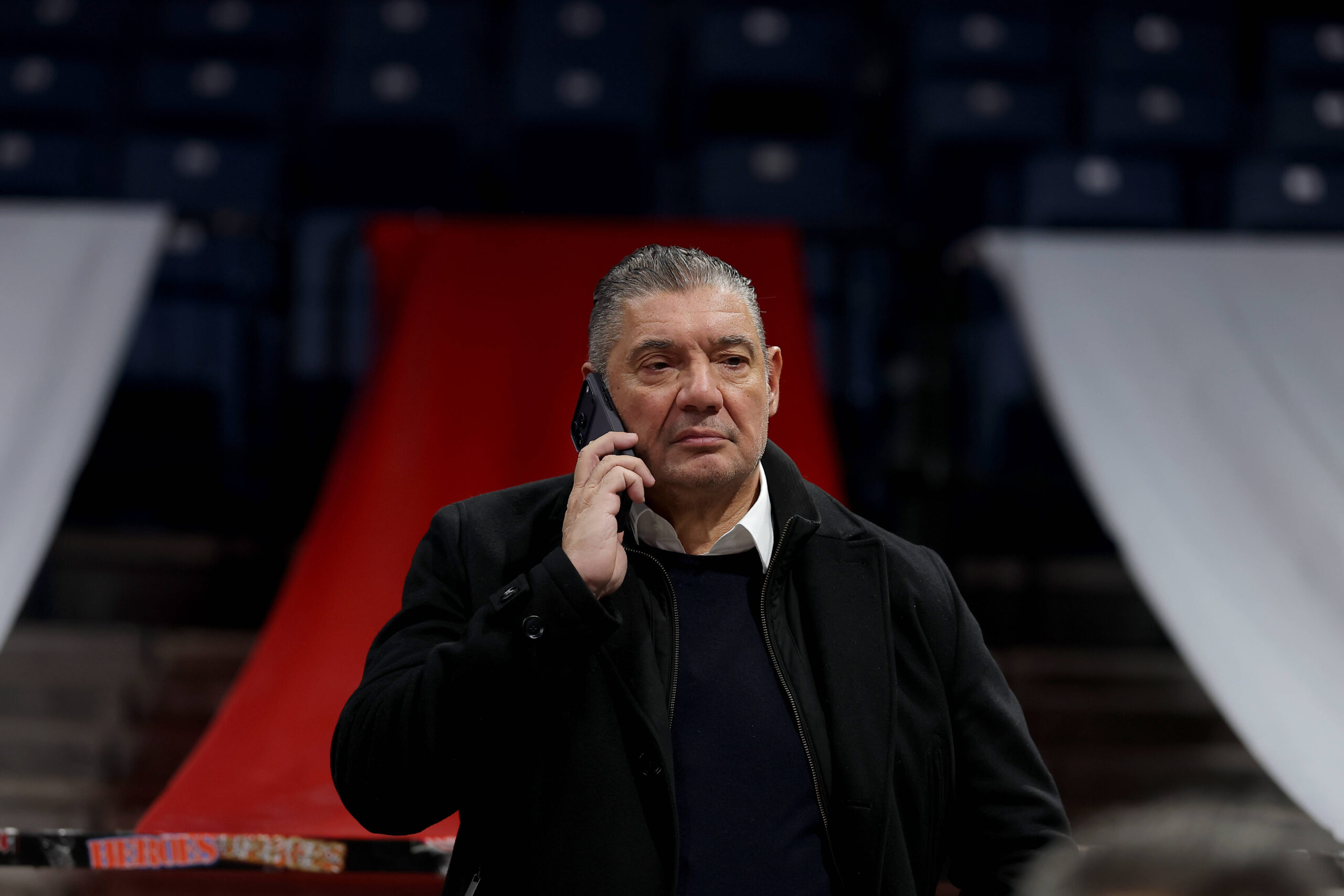
6. Misko Raznatovic (59)
No agent has shaped modern European basketball more profoundly than Misko Raznatovic. For more than two decades, he has influenced player movement, contract negotiations and talent development across the continent.
His client list has included MVPs, EuroLeague stars, lottery picks and future Hall of Famers. More importantly, his network extends into every major basketball market in Europe and the United States.
Raznatovic’s influence is rarely visible to the public, but it is felt throughout the sport. When elite players consider their futures, when NBA teams evaluate European prospects, or when clubs attempt to build competitive rosters, his presence is often somewhere in the background.
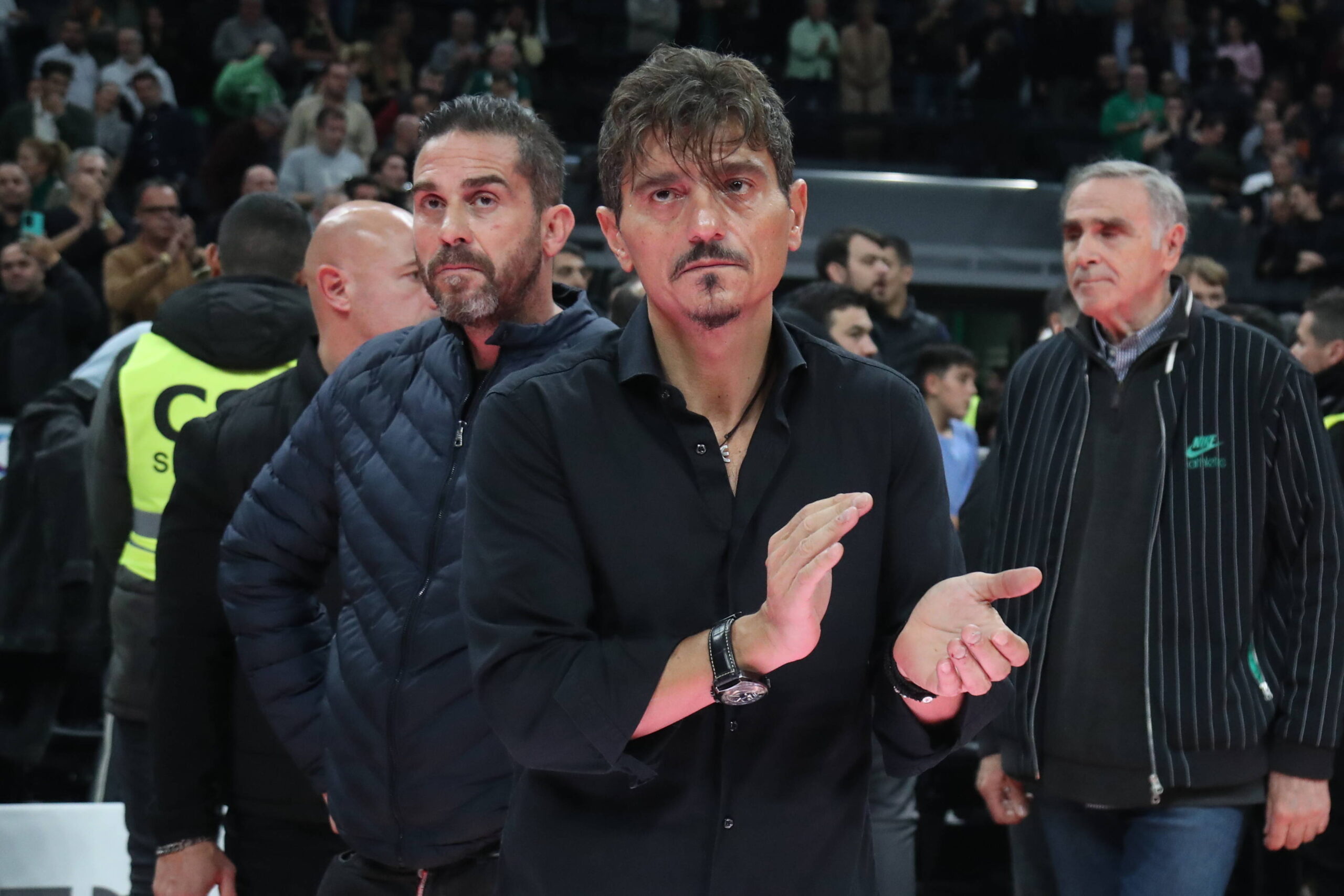
7. Dimitris Giannakopoulos (52)
The owner of Panathinaikos AKTOR Athens has become one of the most powerful and polarizing figures in European basketball. Over the past few years, his investment transformed the club from a struggling giant into a EuroLeague champion and a major commercial force.
Giannakopoulos has demonstrated that a committed owner can dramatically alter competitive balance. His willingness to spend aggressively on players, facilities and infrastructure has raised expectations across the continent.
At the same time, his public statements frequently shape league-wide debates, ensuring that his influence extends beyond Athens. Whether one agrees with him or not, few owners command as much attention or wield as much influence over the European basketball conversation.
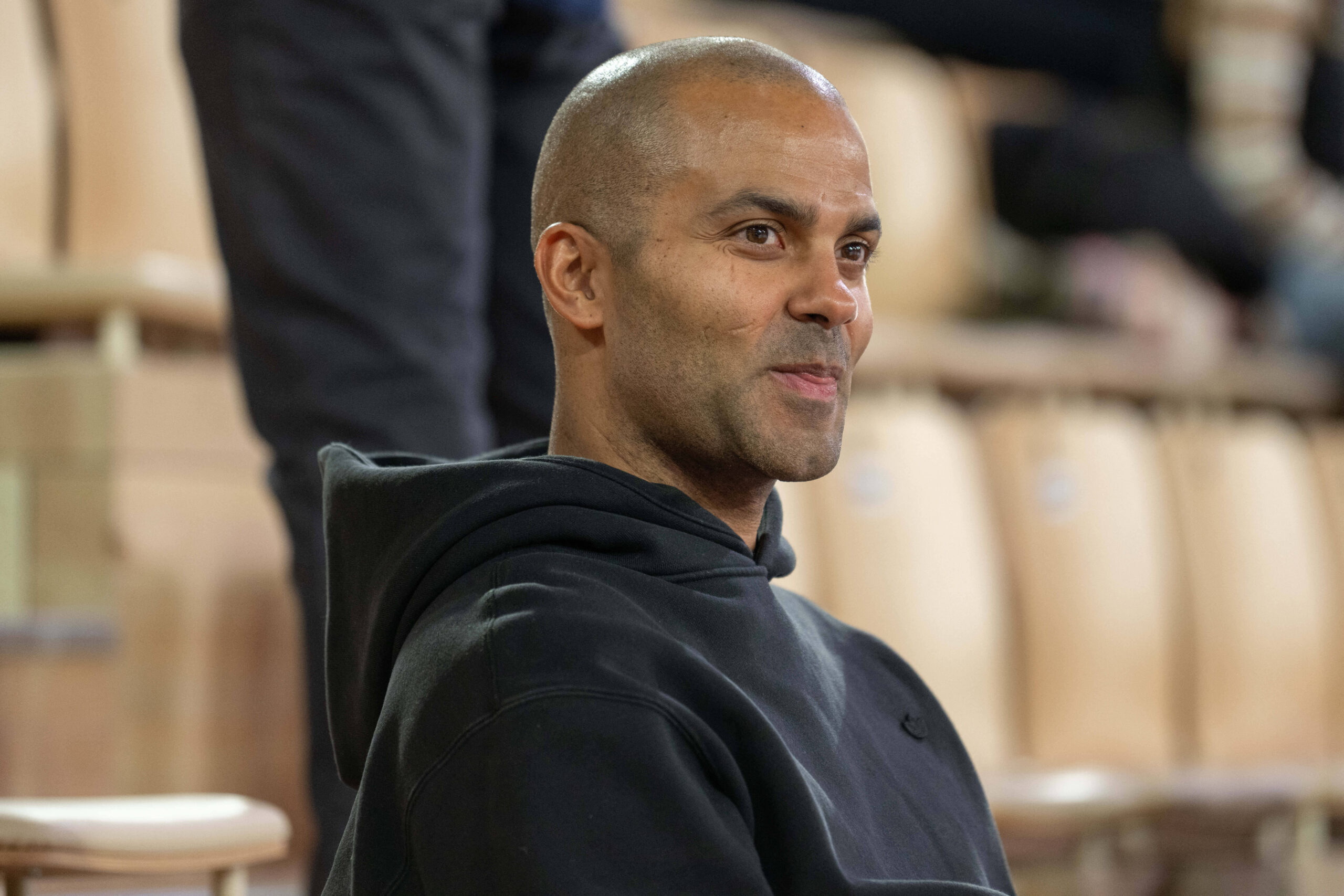
8. Tony Parker (44)
Few individuals are better positioned between Europe and the United States than Tony Parker. The former NBA champion has spent years transforming ASVEL into one of the continent’s most ambitious basketball projects while building relationships throughout the American sports industry.
Parker’s influence extends beyond club ownership. He represents a generation of former players who understand both European basketball culture and the realities of the NBA business model.
As American investors continue exploring opportunities on the continent, Parker increasingly serves as a bridge between two worlds. His network, credibility and vision make him one of the most important figures in European basketball’s ongoing transformation.
9. David Kahn (64)
The rise of Paris Basketball has made David Kahn one of the most influential executives in Europe. While many clubs continue to rely on traditional structures, Paris has embraced a modern, investor-friendly approach focused on growth, innovation and commercial appeal.
The club’s rapid ascent has attracted attention throughout the basketball world, particularly among executives seeking sustainable models for future success. Kahn has effectively positioned Paris as one of the most relevant projects in European basketball.
At a time when the sport increasingly values market potential, organizational efficiency and long-term planning, the Paris model is being studied closely by clubs across the continent.
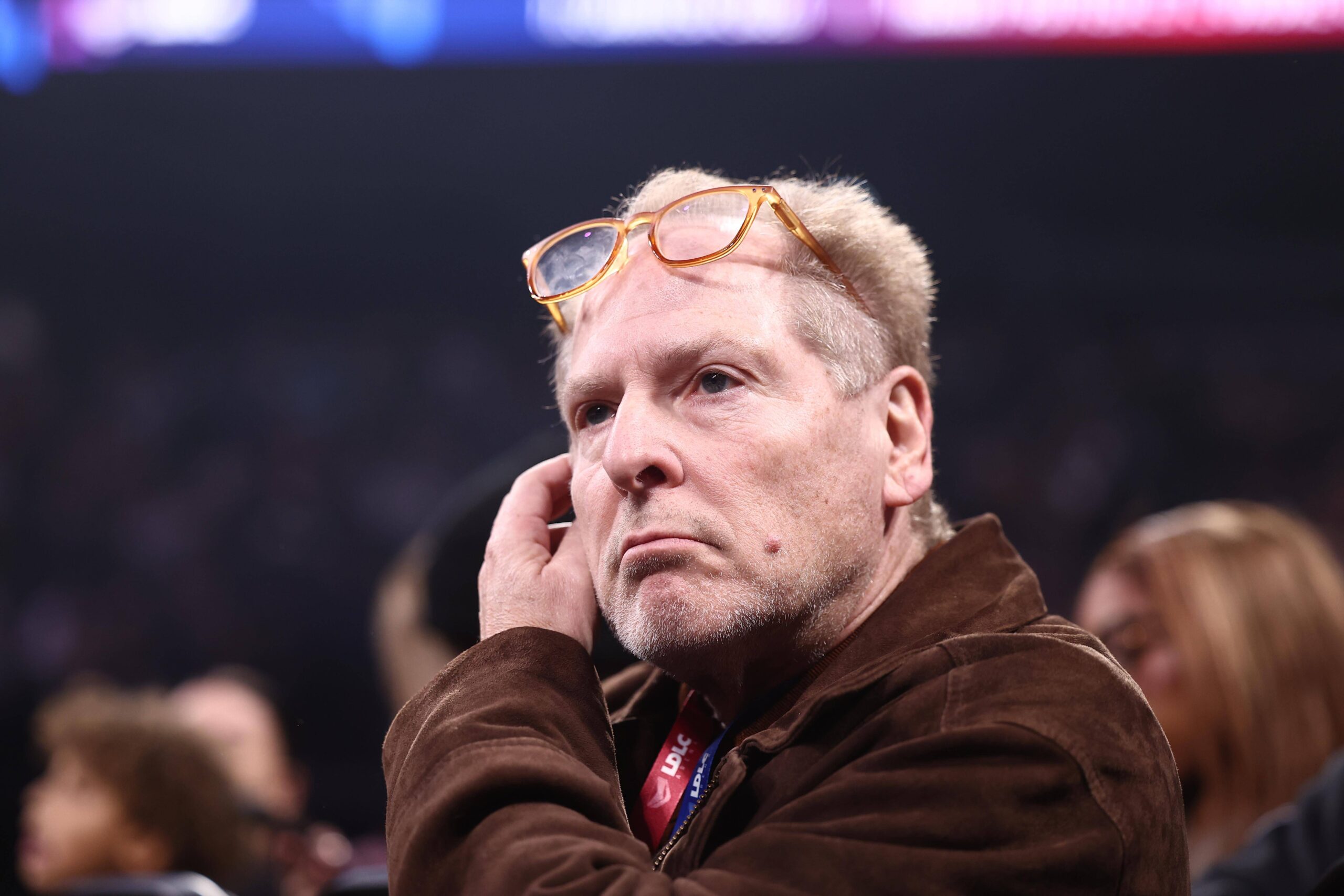
10. Victor Wembanyama (22)
At just 22 years old, Victor Wembanyama is by far the youngest person on this list. He is also the only active player whose influence extends far beyond his performances on the court.
Since arriving in the NBA, Wembanyama has become the face of European basketball’s next generation. His emergence has accelerated international interest in French basketball, strengthened the visibility of European development pathways and reinforced the continent’s status as one of the world’s most important talent-producing regions. Every young prospect entering the French system now does so in the shadow of a player who has fundamentally altered perceptions about what European basketball can produce.
Yet what makes Wembanyama unique is that he is already beginning to influence the sport as an investor and stakeholder, not merely as a player.
Earlier this year, the San Antonio Spurs superstar acquired a minority ownership stake in Nanterre 92, the club where he spent seven formative years between the ages of 10 and 17. The move was significant not because of the size of the investment, but because it revealed how Wembanyama views his role within the sport.
“The main reason is that it’s my club of the heart,” Wembanyama said. “I like projects with big room for progression.”
While discussions about future European basketball structures continue across the continent, he has made it clear that his ambitions remain rooted in local impact.
“I have long-term ambitions, but they are built over years. I prefer starting by having an influence on one club and one city.”
For most players, influence arrives after retirement. For Wembanyama, it has already begun. His ability to shape the sport as a global superstar, investor, ambassador and role model makes him one of the most consequential figures in European basketball today—and potentially the most influential one of the next decade.
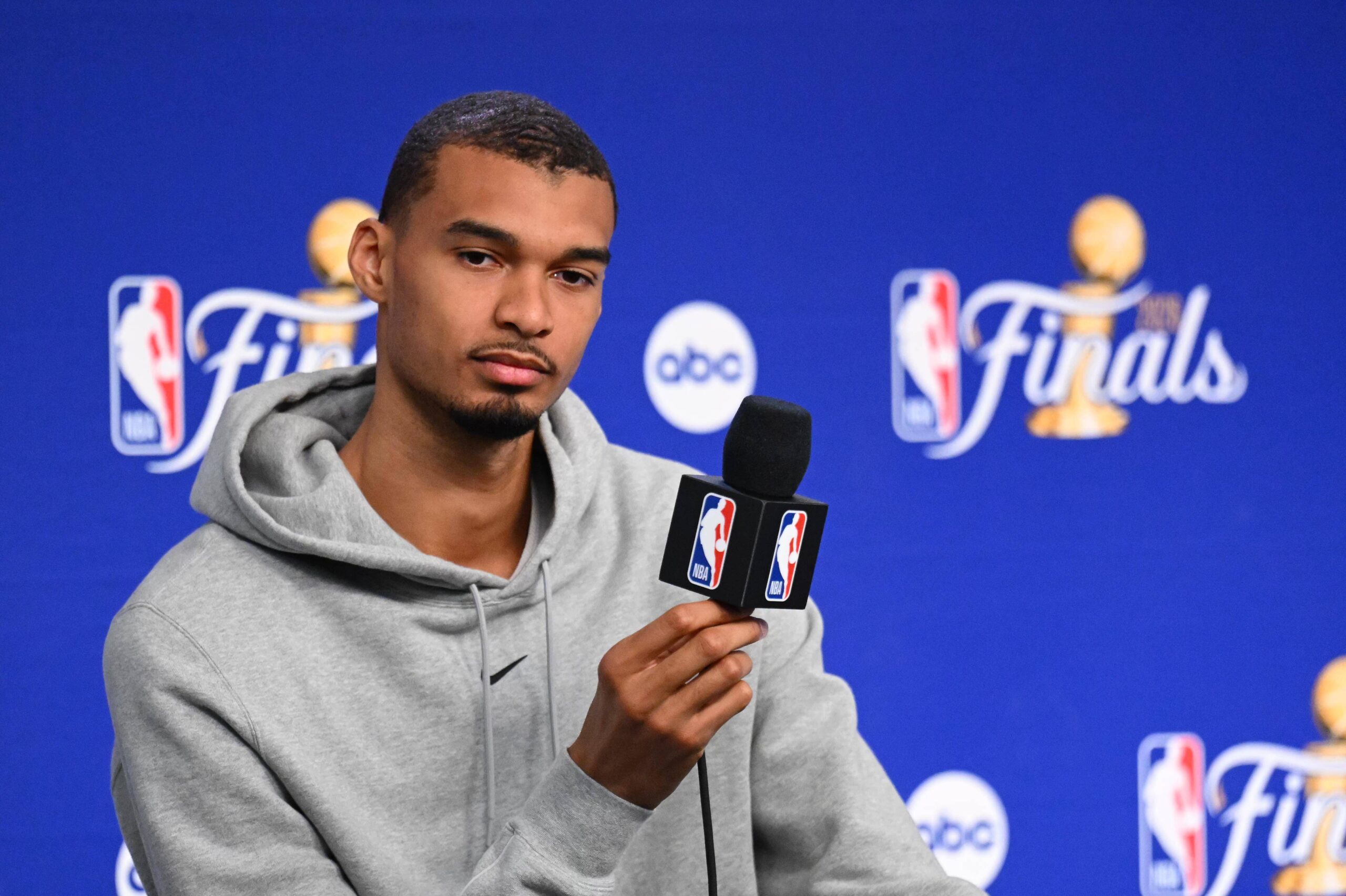
10+1. Vassilis Spanoulis (43)
Few former players have transitioned into positions of influence as quickly and as convincingly as Vassilis Spanoulis. Widely regarded as one of the greatest European players of all time, the former Olympiacos icon has rapidly established himself as one of the continent’s most respected coaching figures.
His rise has been remarkable. After beginning his coaching career with Peristeri, Spanoulis quickly moved into the EuroLeague with Monaco, guiding the club to the upper tier of European basketball while simultaneously becoming one of the most prominent voices in the Greek national team setup. His reputation now extends well beyond Greece, with players, executives and club owners increasingly viewing him as one of the sport’s future leaders.
That influence has grown even further following his recent appointment as Aris Betsson Thessaloniki’s head coach, as the club is attempting to re-establish itself as a major force in European basketball after years away from the elite level. In that context, Spanoulis’ arrival immediately changed perceptions of what the club might become. His stature attracts attention from sponsors, investors, players and media alike, while his experience at the highest levels of the game provides credibility that few executives can match.
Honorable Mentions
The list could easily have included figures such as Evan Fournier, whose outspoken commentary has made him one of the most influential player voices in Europe; Jorge Garbajosa, who continues to play a significant role within FIBA Europe; Chus Bueno, one of the architects of EuroLeague’s expansion strategy; or even Nikola Jokic and Luka Doncic, whose global stature continues to elevate European basketball’s profile.
What is perhaps most striking about this ranking is how much it differs from a similar list a decade ago. Coaches and players still matter, but the balance of power has shifted toward commissioners, executives, investors, agents and global ambassadors.
As European basketball enters perhaps the most transformative period in its history, those are the people increasingly determining where the sport goes next.