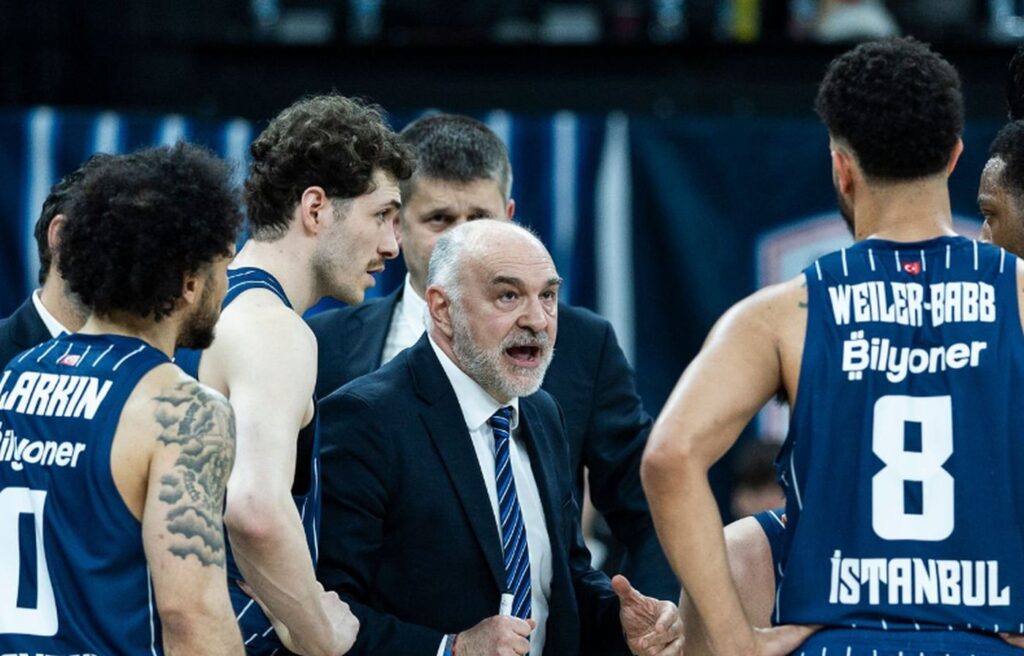



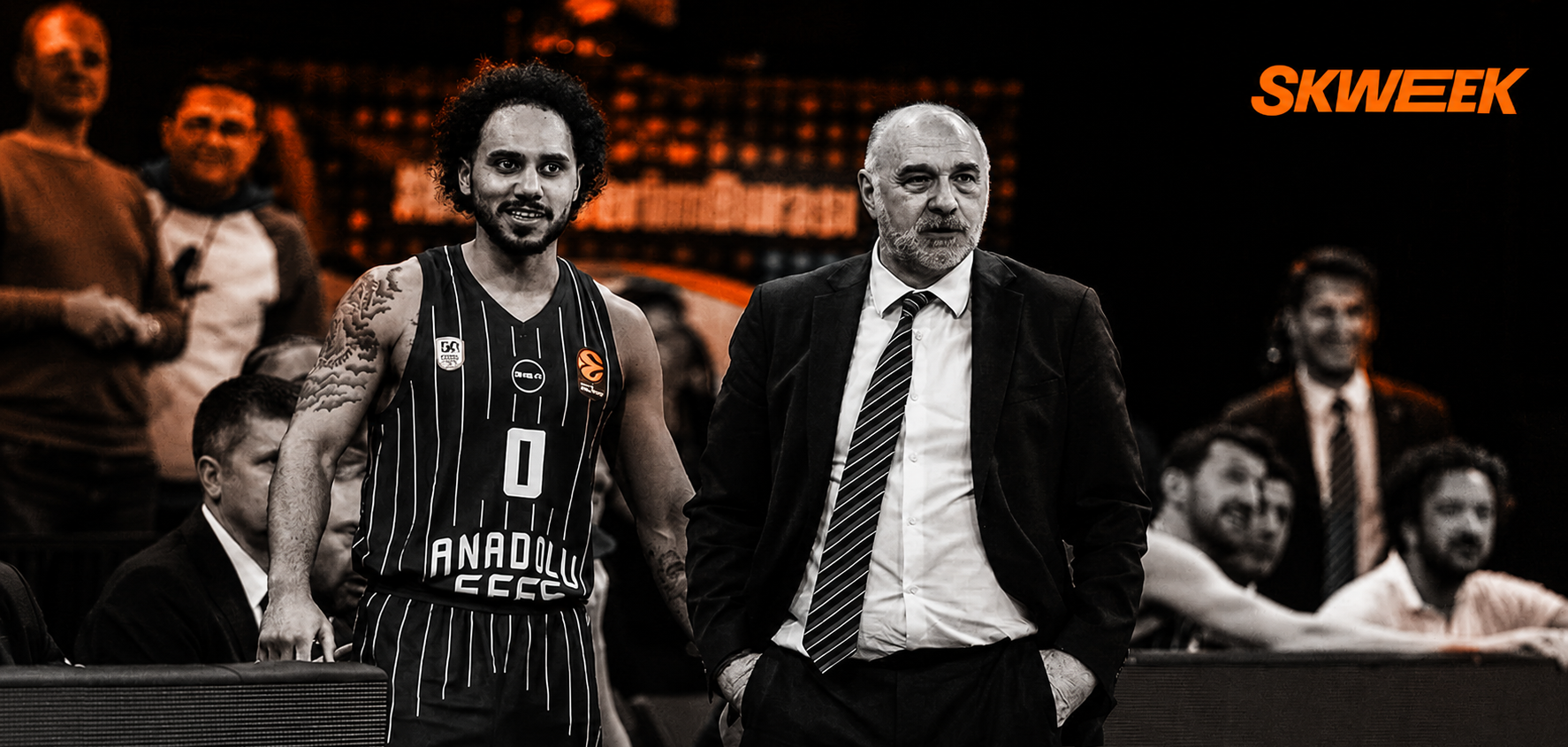

Few coaches in European basketball have earned the right to speak about success, stability, pressure and change with the authority of Pablo Laso.


The former Real Madrid play-caller, one of the most successful figures in modern European basketball, enters his first full offseason as Anadolu Efes Istanbul head coach after taking over midway through a turbulent campaign.
Injuries, roster instability, constant speculation and a disappointing EuroLeague finish made his first months in Istanbul anything but straightforward.


Yet, as Laso explains throughout this conversation with SKWEEK, the challenge ahead is not about replacing Shane Larkin, rebuilding around a single star, or chasing quick fixes. It is about creating a sustainable team capable of competing at the highest level over time.
Speaking at the EuroLeague Head Coaches Congress in Athens, Laso reflected on a wide range of topics that extend far beyond Efes itself. He discussed the increasingly chaotic nature of the modern transfer market, the explosion of basketball information and rumors, and the difficulty of separating truth from fiction in an era where social media often moves faster than reality.
He explained why the departure of a player as significant as Shane Larkin cannot define a club’s future and outlined the areas in which Efes must improve if it wants to return to the EuroLeague elite.
Laso also offered detailed insight into roster planning, explaining the arrivals of players such as Dario Saric and Mat Strazel, and discussing the recovery of Giorgos Papagiannis, while emphasizing the importance of playmaking, physicality and team balance over individual names.
Disclaimer: Before diving into the conversation, it is worth noting that this interview with Pablo Laso was conducted before Anadolu Efes finalized the signing of Mike James on a 1+1 contract. As a result, neither James’ arrival nor his potential role in the team’s future are discussed in the interview.
This is also only the first part of our extensive conversation with the legendary Spanish coach. In the next installment, Laso shares his thoughts on Real Madrid’s coaching instability, Pedro Martinez’s rise, Zeljko Obradovic’s return to Panathinaikos, Luka Doncic’s involvement in the ambitious Basketball Club Roma SPQR project, the changing landscape of European basketball, and much more.
Stay tuned because what follows is a wide-ranging conversation with one of the most influential coaches of his generation.
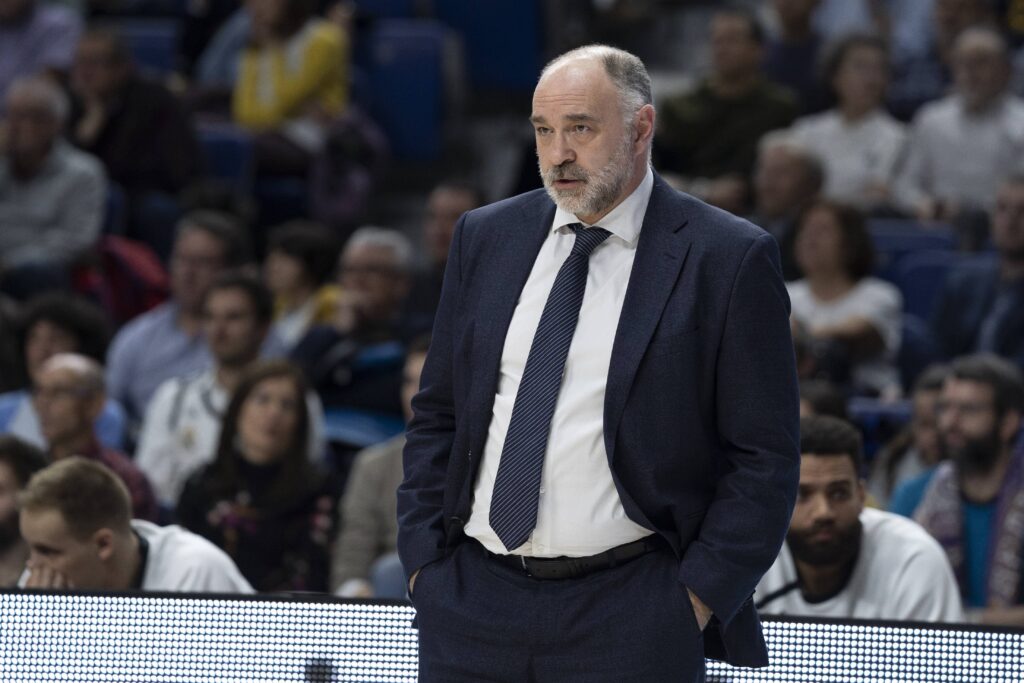
A coach is never really relaxed during the summer, is he? There are always things to think about.
A coach who is calm is still thinking about market movements, how they can affect you, preparing the season. You are always paying attention to every small detail, and I think that, in the end, gives you a certain energy.
The work is different from during the season, but it is still work. During the year, we often say that your family asks you: “And now what?”
Now there are different concerns, but generally speaking it is more or less like every summer where you have a job ahead of you, and obviously it is something exciting.
A few months ago you said Efes’ biggest problem wasn’t results but the inability to practice with a full roster because of injuries. Looking back, was the season doomed from the beginning, or do you still feel the team could have gone much further?
I’ll give you an example.
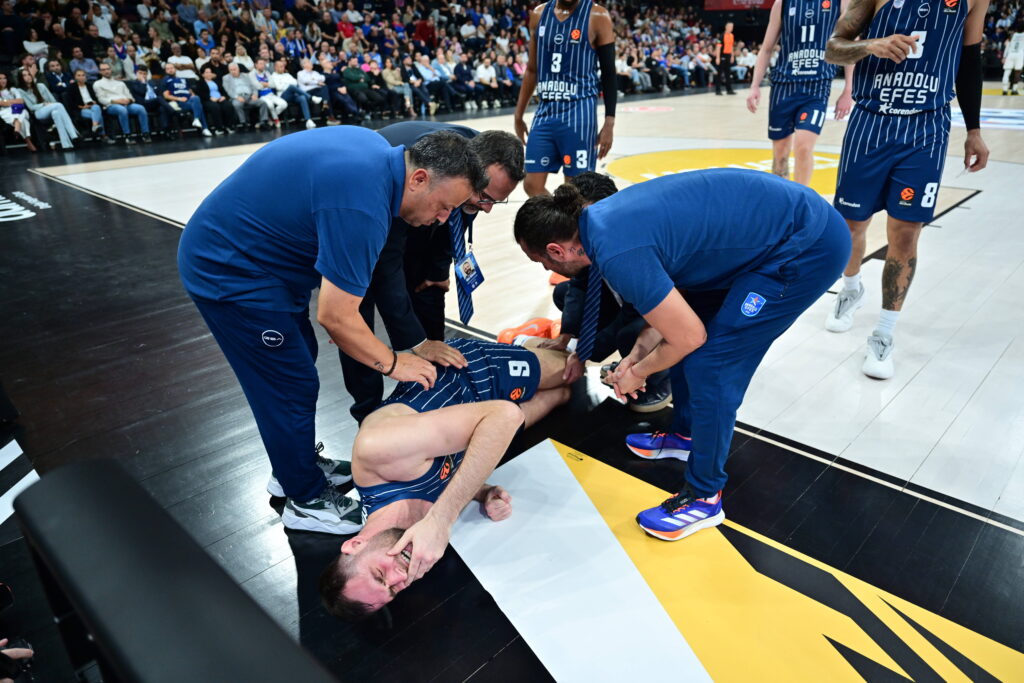
There was a Turkish League game that we won against a lower-table team. During that game, sitting on the bench injured, we had Rodrigue Beaubois, Vincent Poirier, Jordan Lloyd, P.J. Dozier and others. Papagiannis wasn’t even there.
I’ve just named six players who together could probably play in a Final Four. They were sitting out.
Sometimes I’m very practical. I remember asking one of my assistants: “How much money do we have sitting on that bench?”. And that was only one game.
The problem wasn’t just that they couldn’t play. The next morning they couldn’t practice either. So whether we played well or badly almost became secondary.
With such a demanding schedule, you don’t have time to improve. You simply play and compete. That’s why I think the calendar combined with the injuries made the season extremely difficult for us. In fact, I think our best moments came after we were eliminated from the EuroLeague.
Suddenly we had more time to train, and more time to recover players. And you could immediately see the difference.
How do you see the market this summer?
I think this year has been the explosion of information. This year we have lived with news about players, coaches, market movements, new teams, new competitions. We have experienced market information earlier than ever and in greater volume than ever before.
So my question would be: if everything was true, it would be impossible. Because there are teams that have supposedly had four coaches. Teams that have supposedly had 35 players. That is impossible.
So I think you need the ability, the wisdom, the patience and many other things to accept that this information cannot change your path.
When you arrived at Efes, you said the challenge was to build a team and not to find a replacement for Shane Larkin. Now that you have had a full summer to work, how do you want Efes to play next season?
I think the team has improved in many aspects, but above all one aspect that is very important to me: the mental side.
Our season last year was very difficult. We had many injuries. A new coach arrived in the middle of the season with new ideas.
Last year was very difficult for us, very complicated and obviously not satisfactory in terms of results.
We want to improve that. We know that Efes is a team that must work to be higher in the standings. But we must also accept that we are going to have to do things very well. Throughout this whole answer, I have not mentioned any player.
Not Shane Larkin. Not Jordan Loyd. Not Ercan Osmani. Not Pablo Laso. Efes must be above any player.
If you ask me now about Shane Larkin, I would tell you that he is one of the best players who has played in Europe in the last 10-15 years, to the point that he has won championships with Efes.
If we said: “We are very happy that Shane Larkin is leaving,” you would tell me: “That cannot be true.”
And you would be right because it is not true. But we cannot stop as a team. We must keep thinking about improving.
Sometimes that happens with players who have been here for a long time. Sometimes it happens by bringing in new players.
Since we mentioned Shane Larkin’s departure, it seemed like it was his decision to leave. How did you deal with his situation?
I always try to understand these decisions, whether I am on one side or the other. If Shane Larkin leaves because he is a bad player, then I think we are making a mistake, because he is a very good player. If he leaves because he earns 100 million euros, then perhaps we made the right decision because we save 100 million euros, which is a lot of money.
So you have to find the balance and, above all, think that this situation can only make us improve.
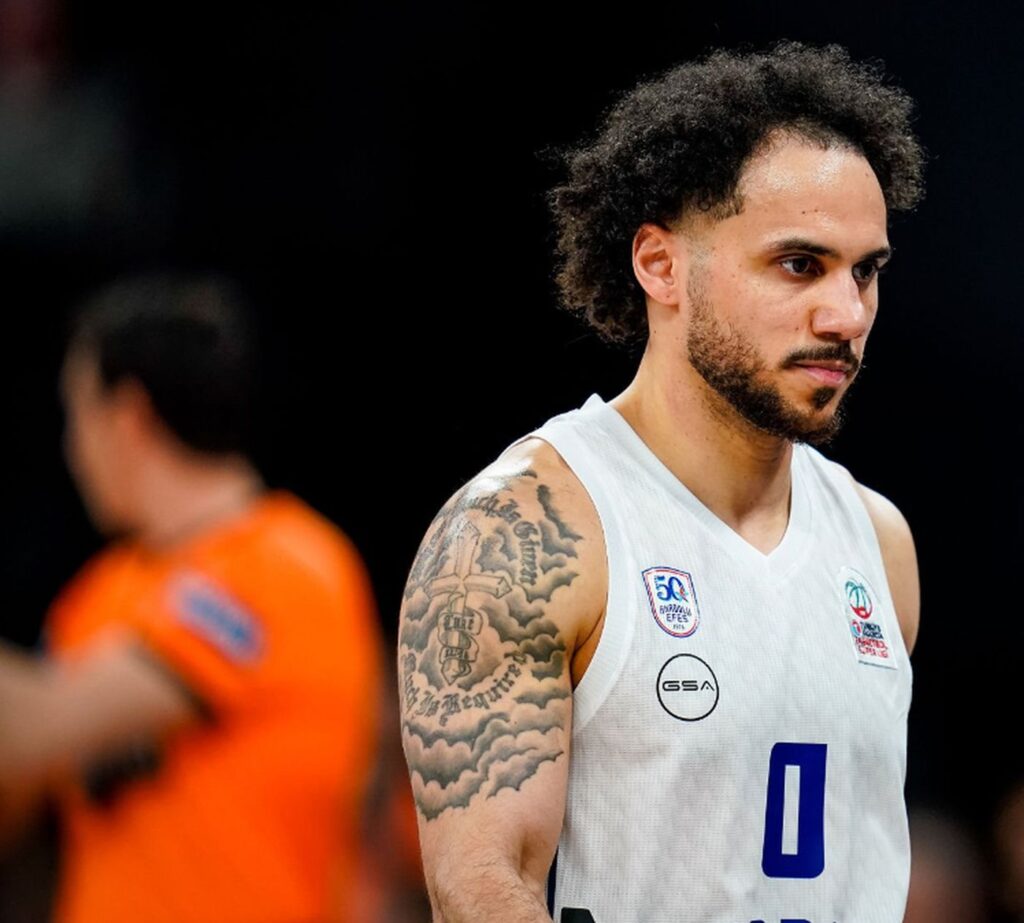
Did you have a conversation with him before he left?
No, I did not speak with him.
He was a player under contract, and unfortunately when I arrived in December, Shane practically could not join the team until April. So I lived through the situation where he was trying to come back and help the team as soon as possible. From April, when he returned to the team, I think he helped us a lot.
If I thought the team could not be better without Shane Larkin, then I would somehow be making a mistake. I have to think about improving the team. That is my only obsession. It does not matter if Shane Larkin stays or leaves.
What is the first change you have in mind when building next season’s team?