


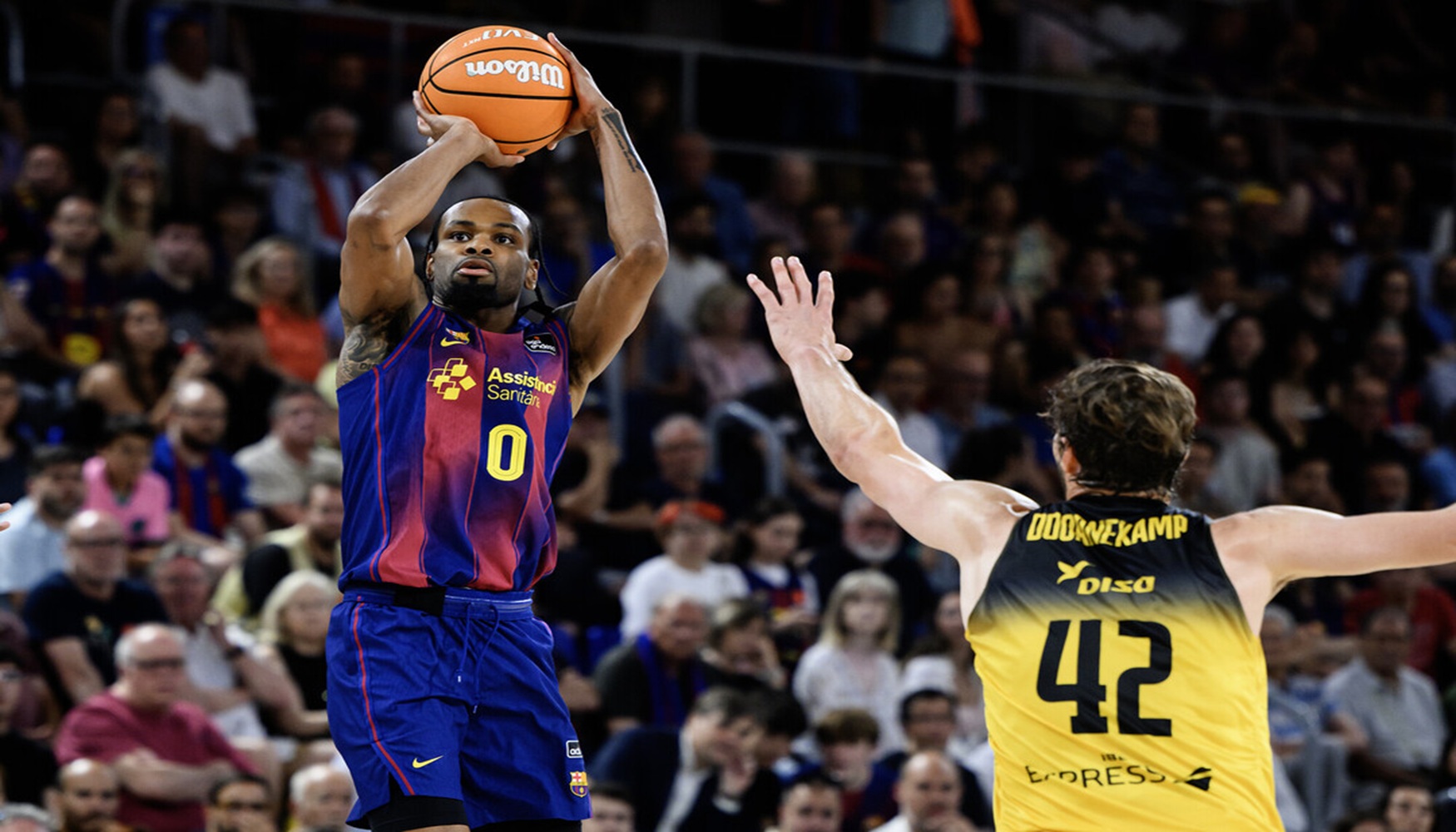

For the better part of a decade, Kevin Punter has been one of the most reliable clutch time scorers in European basketball. AEK, Virtus Bologna, Olympiacos, Olimpia Milano, Crvena Zvezda, Partizan and now FC Barcelona have all witnessed his ability to deliver when the clock is winding down and everything is on the line.


Over the years, Punter managed to leave behind the anxiety that accompanied him as a youngster and transform himself into one of the coldest clutch performers in the game. Few players are able to operate in that state of calm when the final seconds tick away, but the New York native has made it his natural habitat.
He credits much of that development to years of visualization work. Imagining himself in pressure-packed situations and studying how elite players respond to them helped prepare him for the level of maturity he displays today. Now, when tension consumes both the court and the stands, Punter remains unfazed and never shies away from taking the last shot.
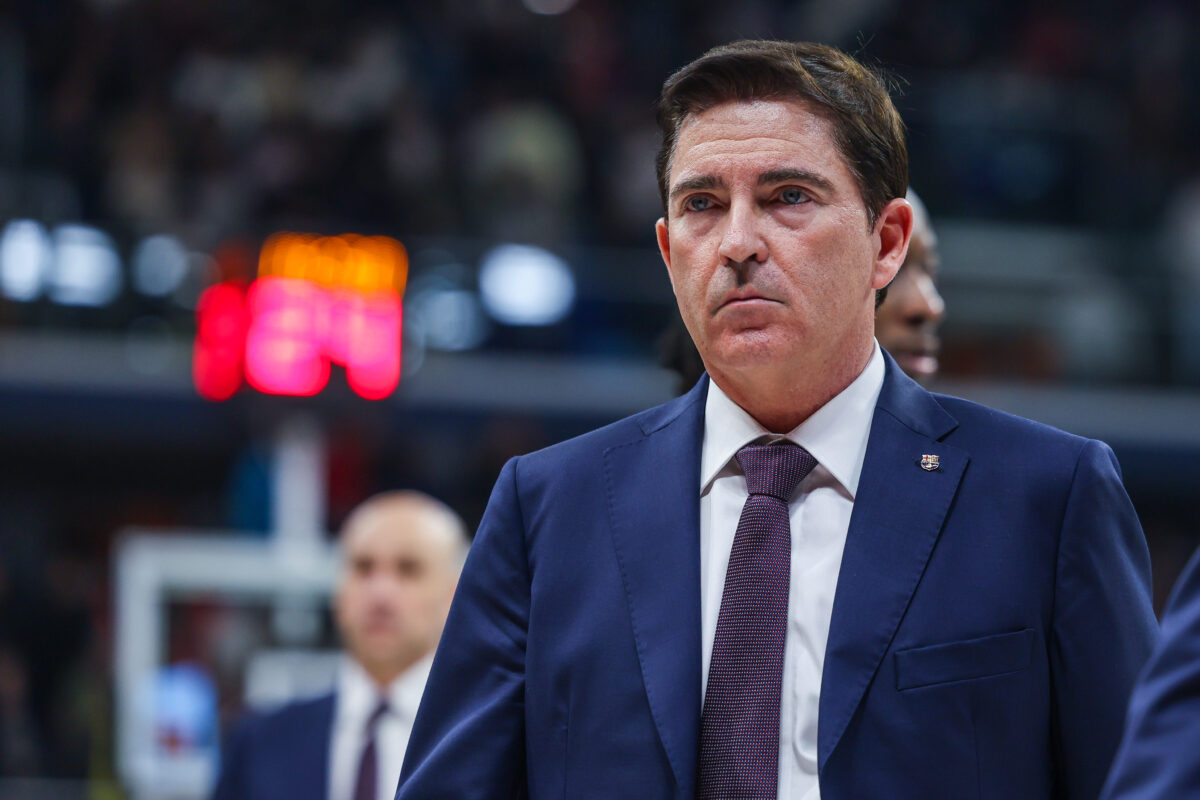

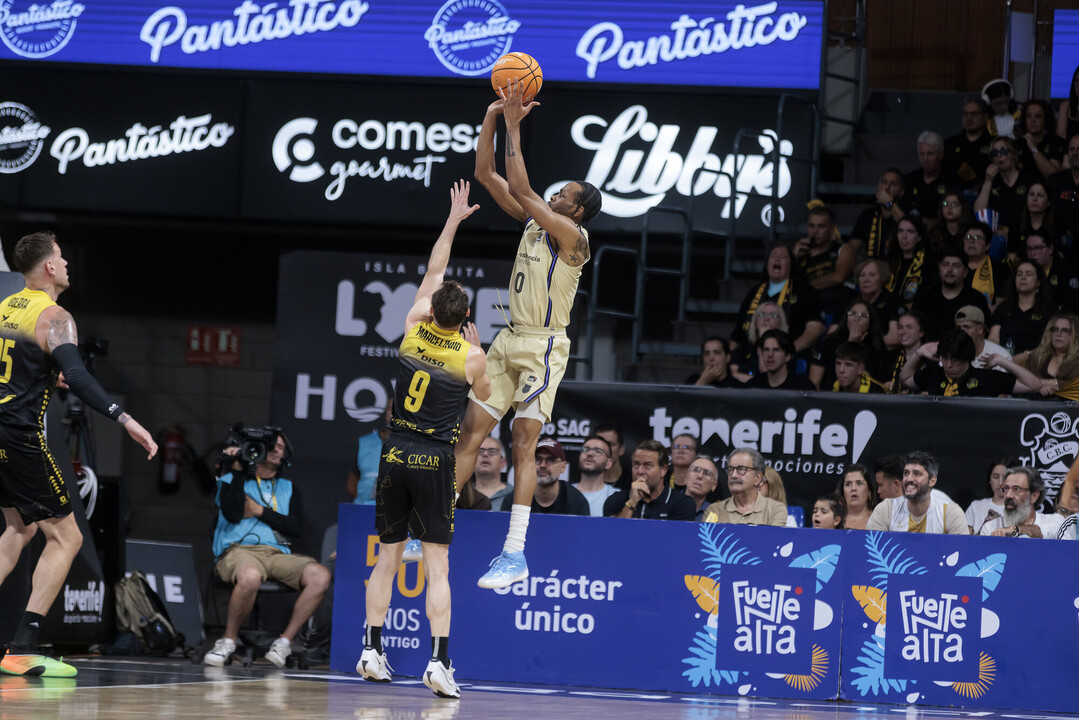
Of course, reaching the status of a feared closer also requires elite shot-making ability. Punter’s polished shooting form have given him one of the most versatile offensive arsenals in Europe. His ability to score off the dribble, hit difficult pull-ups and knock down contested jumpers against bigger, stronger or quicker defenders has long been beyond question.
Those skills proved crucial this ending part of the season as he helped guide Barcelona, after a difficult year, in to the Liga Endesa Finals, giving the Catalan club a chance to finish the year on a high note.
Yet there was a pivotal moment in Punter’s career that helped shape the player who now thrills —or torments— fans across Europe.
Raised amid the fierce competitiveness of the Bronx, Punter was never viewed as a future star. Questions about his physicality and a foot injury during his final season at the University of Tennessee contributed to him going undrafted in 2016. But the doubts surrounding him stretched back much further.
Despite averaging 28.2 points per game during his final season at Salesian High School in New Rochelle, he failed to attract major NCAA interest. As a result, he had to take the long road.
First came a year at Body of Christ Christian Academy in Raleigh, North Carolina. Then followed two seasons at State Fair Community College in Missouri, where he crossed paths with future European basketball veterans Kenny Chery and Joe Thomasson.
Eventually, between 2014 and 2016, he completed his college career at Tennessee. After a solid first season in Knoxville, averaging 10.3 points per game, he exploded in his second year and established himself as one of the nation’s top players.
And it is during the 2015 offseason that one of the defining moments of his career took place.
Rick Barnes had just arrived as Tennessee’s new head coach, replacing Donnie Tyndall. During one of his first conversations with Punter, Barnes did not mince words.
“You want to be a professional? Then you can’t shoot like that.”
“You need to completely change your shooting form and get your release off much faster.”
The words hit hard.
Initially, Punter resisted the idea of changing a shooting motion that had served him well throughout his career. He did not like hearing it… probably because nobody had ever been that brutally honest with him before.
“I fell apart. How was I supposed to completely change it at that stage? It was the toughest decision I’ve ever had to make in my career,” Punter recalled years later in an interview with Gigantes del Basket.
The process lasted from May until October.
For weeks, Punter did not take a single jump shot. No shots outside the paint. No layups. Hour after hour beneath the basket, meticulously repeating the movements of his arm and forearm in an effort to rebuild his mechanics from the ground up.
Percentages did not matter. There were no shots off movement and very little sweat at times. Everything was sacrificed in pursuit of a new shooting motion. For a while, one of the current best shooters in European basketball practically forgot how to shoot.
Years later, the results speak for themselves.
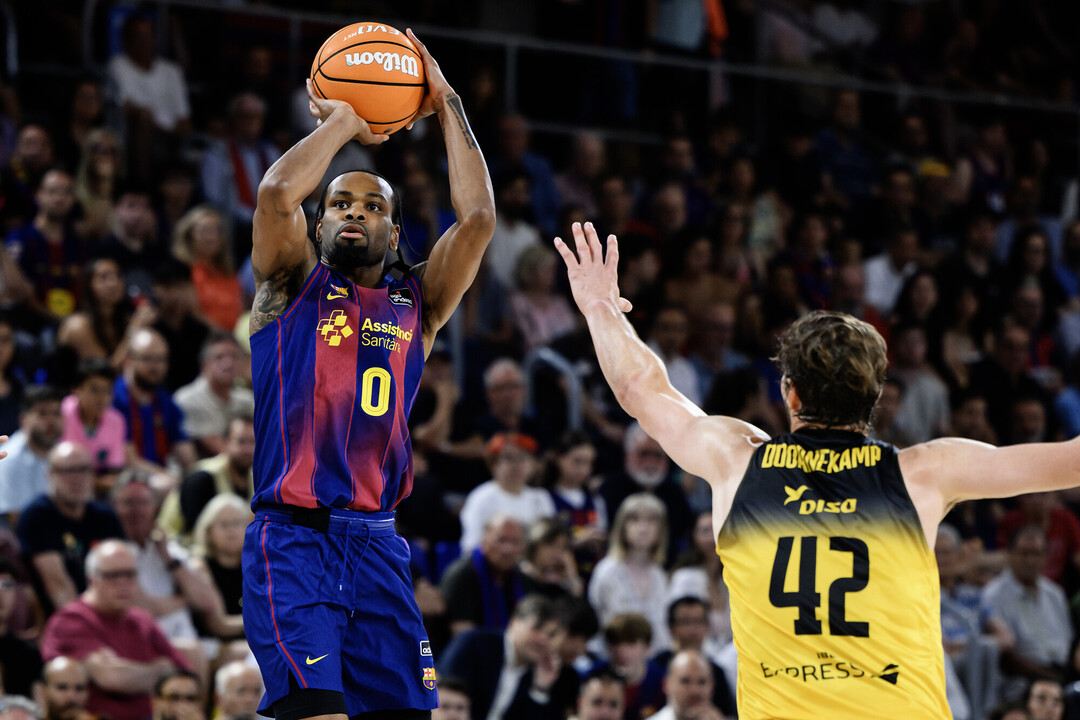
In fact, they appeared almost immediately. During his final season at Tennessee, the current Barcelona guard averaged 22.2 points per game before embarking on his lengthy professional career in Europe. That final campaign with the Volunteers proved a major turning point.
Known for his relentless work ethic and near-obsessive dedication to basketball, Punter was determined to capitalize on his momentum and attract NBA attention. He spent countless hours in the gym chasing that dream.
Eventually, the workload took its toll. His foot gave out before the season was over.
“My foot had been getting worse for weeks. I didn’t say anything, and I probably should have. I kept playing until a game against Kentucky. It hurt badly before the game, and when I woke up the next morning, I couldn’t put any weight on it. That’s when I knew my NCAA career was over. It was broken,” he recalled.
Perhaps that injury influenced the next chapter of his career, effectively ending what few chances he had of hearing his name called in the NBA Draft.
From that point forward, he had to reinvent himself once again as a professional player. But none of it would have happened without Rick Barnes forcing him to make the most difficult decision of his career… and arguably the most important one.
Today, Kevin Punter is still reaping the rewards of that choice.