














In an exclusive conversation with SKWEEK, John Hewitt, International Marketing and Communications Director at Phygital International, discusses the rapid growth of the phygital sports movement, the challenge of bringing new audiences into the game, and his vision for a future where digital and physical competition come together as part of the global sporting landscape.


As Phygital International/phygital sports continue to establish themselves on the global sporting stage, the Games of the Future have become an important platform for showcasing what the movement can offer. The combination of digital competition and physical performance creates a format that is still relatively new to many audiences, but is increasingly attracting athletes, fans, organizations and younger generations.
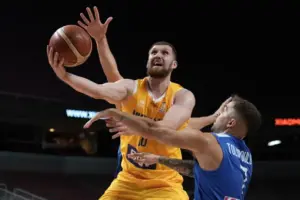
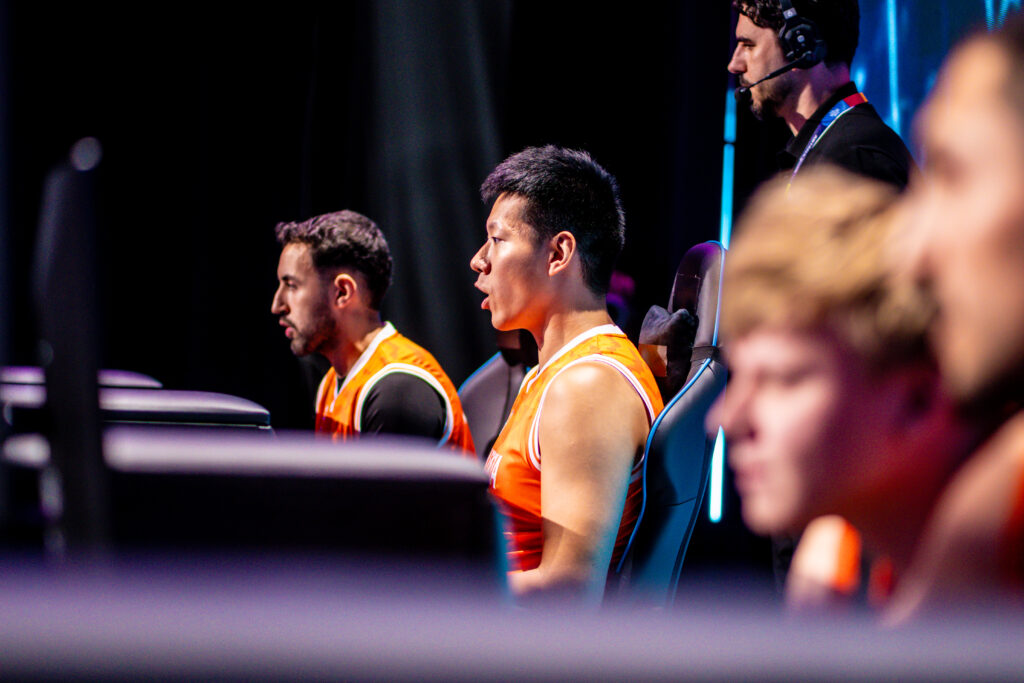
That evolution was on full display at the Games of the Future 2026 in Astana, where athletes and teams from around the world came together to compete across the different phygital disciplines. Among them were Valencia Basket and Boca Juniors, which participated in phygital basketball, highlighting the growing presence of established basketball clubs in this new sporting format.
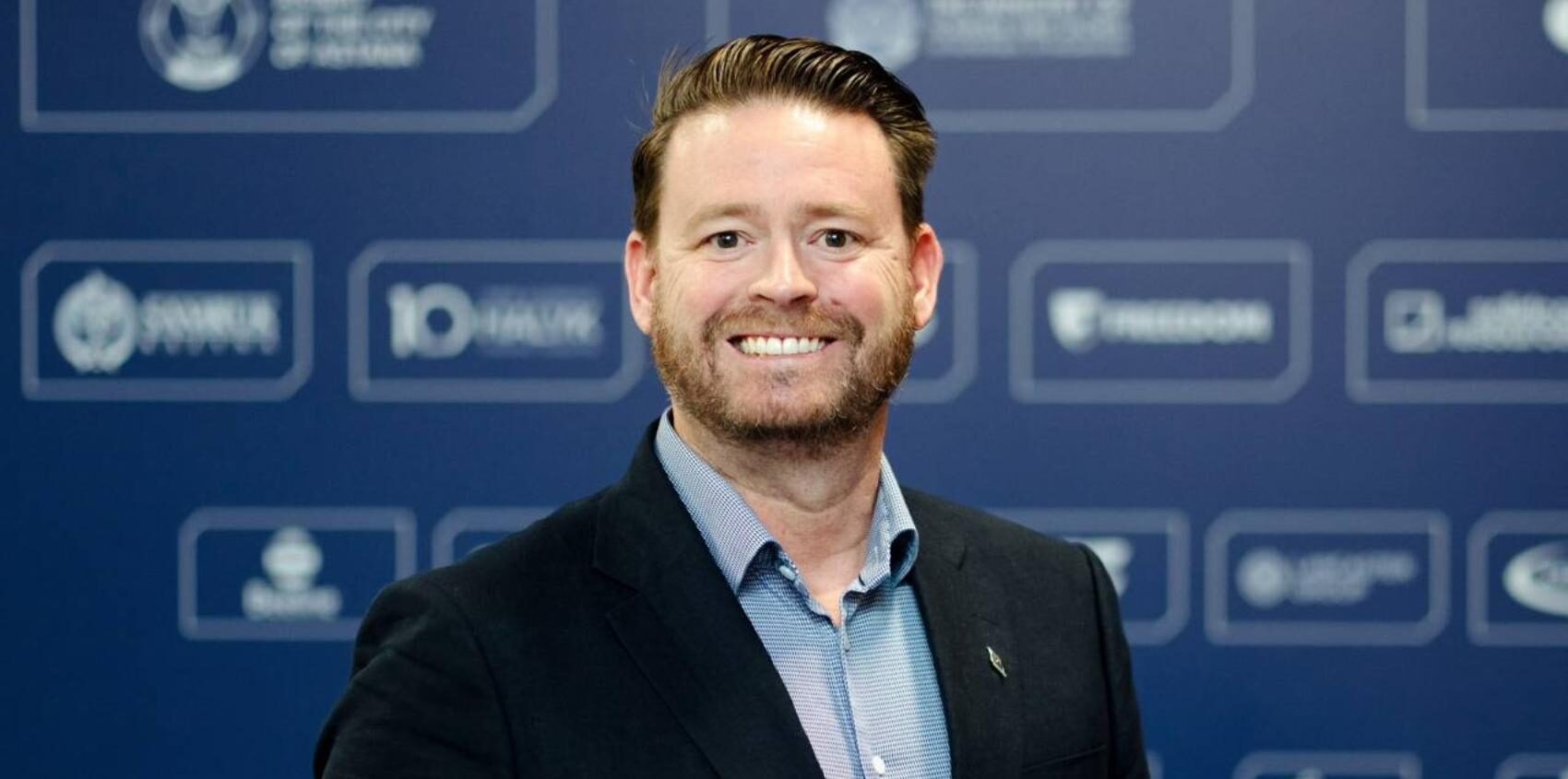
Against that backdrop, SKWEEK spoke with John Hewitt, International Marketing and Communications Director at Phygital International, about where the movement stands today and where it could go next.
Hewitt discusses the challenge of introducing a new sporting category to global audiences, the importance of creating a product that can connect generations, and the role of events such as the Games of the Future in helping phygital sports reach a wider audience. He also looks further ahead, sharing his vision of what success could mean over the next decade and what it would take for phygital to become an established part of the global sporting landscape.
For Hewitt, the ambition goes beyond simply creating another competition. It is about building a movement with its own identity—one that can bring together the digital and physical worlds, create new opportunities for athletes and engage a generation that is already comfortable moving between both.
Where digital meets physical: A new generation of sport
Phygital sports are still seen by many as an experiment rather than a movement. What do you think needs to happen over the next five years for phygital to move beyond the question of whether it is the future of sport and become an established part of the sporting landscape?
Personally, coming out of the Abu Dhabi Games in 2025 and seeing the reach, the level of competition in the venue and the way the event was delivered, I felt that phygital had already established itself as something much more than an experiment. The numbers coming out of that event were amazing, and they showed that there is a real audience and appetite for this kind of competition.
This year, at the Games of the Future 2026 in Astana, we saw incredible numbers once again. The engagement and energy surrounding the competition are a real testament to the growth of phygital sport. It shows that people, and particularly younger audiences, are responding to it and want to experience it.
For me, what needs to happen over the next few years is simple: we need to keep delivering events at this level, build strong and consistent competitions, and continue giving athletes and fans a reason to engage with the phygital sport ecosystem. The more people experience it in person, understand how the digital and physical elements work together, and see the quality of the competition, the less it will feel like an experiment.
I’m really, really pleased with how everything went in Astana. The atmosphere and the level of competition have been stunning. It feels like we are watching a movement continue to grow in front of us.
Do you believe phygital could be an answer to those who say that the new generation is losing interest in traditional sports and spending more of its time on screens, whether watching content or playing video games? Does this combination of digital and physical help bridge that gap?
Yeah, I agree with that statement. What we are trying to do with phygital sports is embrace the fact that the digital world is already a big part of young people’s lives. We are not asking them to give that up. Instead, we are taking something they already enjoy and connecting it with the physical side of sport, competition and human interaction.
That is what makes the phygital model so interesting. It brings those two worlds together and creates a new kind of athlete who needs to be comfortable both digitally and physically. You can see that there is something resonating with younger audiences. The growth of our organization and our membership reflects that, but so does the energy we see around the competitions.
For me, the opportunity is to create a healthier balance. Young people can remain connected to the digital world they know and enjoy, while also rediscovering the physical side of sport—the movement, the competition, the teamwork and the passion that come with it. That balance is at the heart of what Phygital we, at Phygital International, are trying to achieve.
You are not just promoting a new event; you are introducing an entirely new sports category. What has been the biggest challenge so far? Is it convincing athletes, fans, sponsors or the media—or simply getting the opportunity to explain what phygital sport is?
The challenge is not necessarily convincing people. The real challenge is getting the opportunity to have that conversation and educate people about what the Phygital movement is.
We are still introducing something that many people have never experienced before, so there is naturally a learning curve. You have to give athletes, fans, sponsors and the media the opportunity to see it, understand how the digital and physical elements work together, and experience the competition for themselves. Once you have the chance to explain it properly and show people what happens at these events, there’s almost always a positive reaction.
That is why events like the Games of the Future are so important. They give us a platform to tell that story and, more importantly, to show rather than simply tell. When people see the atmosphere, the level of competition and the athletes performing, they can start to understand that this is more than an experiment. It is a new sporting experience with its own identity and potential.

So, rather than convincing them, the challenge is getting them to take a closer look at what you are doing here?
Yeah, exactly. We are living in a world where there is an incredible amount of content out there, so the challenge is breaking through that noise and capturing people’s attention. You have to give audiences a reason to stop, look and discover something they may not have seen before.
And when you look at the product itself, there is a lot there to capture that attention. It is dynamic, energetic and youth-driven. The level of competition is high, it is visually appealing, and the presentation is at a very high standard. So, the biggest thing is getting people to experience it, whether that is by coming to an event in person or seeing it through digital platforms. Once they have that opportunity, they can understand what Phygital is and, importantly, feel the energy around it.
It is a process. We are still a new movement, but the positive thing is that we are seeing real growth. We are seeing sponsors coming on board, having strong conversations with future host cities, and bringing in more media rights partners, streamers, influencers and other collaborators. All of that gives us confidence that our approach is helping us break through and gradually find our place in the market.
How do you see Phygital connecting different generations, from esports fans to traditional sports supporters, rather than becoming a niche product?
At the end of the day, it comes down to the product we present to fans and audiences. It is important that we have the best digital athletes competing at the highest level and that they are capable on both sides of the game. We have been able to achieve that, and you can see it in the quality and intensity of the competition.
When it comes to bridging generations, I think phygital has a really interesting opportunity. Older generations tend to consume more traditional sports, while younger audiences are naturally more comfortable in the digital world. Phygital gives them something they can share. Instead of having two completely separate interests, you can have different generations watching and discussing different parts of the same competition.
We actually hear stories from our members about how phygital sports is bringing people together around the dinner table. Someone might be more interested in the physical competition, while someone else is fascinated by the gaming element, but they are still watching the same sport and having a conversation about it. That is a really powerful way of bridging that divide.
You can also see that diversity in the age of the competitors themselves. In Abu Dhabi, for example, I believe our youngest competitor was 16, while our oldest was around 70. That tells you something about the potential of phygital. It does not have to belong to one generation. It can create a shared sporting experience that different generations can connect with in their own way.
From the screen to the court
What is the biggest challenge when it comes to getting fans to embrace something as different as Phygital? How do you move audiences beyond the familiarity of traditional sports and help them understand the combination of digital and physical competition?
Speaking personally, I think phygital is something that a lot of people can naturally relate to because so many people play video games and so many people play sports. I think back to when I was younger: we would play sports video games, and then afterwards, we would go outside and try to replicate what we had seen in the game. There was always that connection between the two worlds.
I think that is one of the reasons people have embraced phygital. They can see a little bit of themselves in it. Most people have either come off a basketball court and later played the video game with their friends, or done the opposite—played the game and then gone outside to play. That crossover is already part of people’s lives, so phygital is bringing those two experiences together in a more structured and competitive way.
Another important factor is the athletes themselves. Professional athletes travel a lot, and many of them already spend time gaming. So, there is a natural crossover there as well. They understand both sides, and that makes the concept easier to connect with. It is not as unfamiliar as it might initially seem; for many people, it is actually a combination of things they already know and enjoy.
If we meet again in 2036, what would have to happen for you to say that the phygital games have been a success—not just as an event, but as a global sports movement?
Ten years from now, one of the primary indicators of success would be that we have taken the phygital games to all five continents. Another would be the continued growth of our membership. The foundation of this movement is our members and our athletes, so reaching a point where we have members across 200 nations would be an incredible achievement.
But I think the real test is the transition that happens along the way. Right now, we are still educating people about a new sport and introducing them to a concept that is not yet a household name. In ten years, success would mean that Phygital has become part of the zeitgeist—that we have moved beyond the education phase and it has become a recognized and established part of sporting culture.
Ultimately, success would mean that we no longer need to explain the digital and physical sides separately. You would simply say “phygital athlete,” and everyone would understand what that means. Right now, people might describe someone as a basketball player learning a video game, or a gamer learning basketball. In ten years, I would like to see that distinction disappear. They would simply be recognized as phygital athletes.
That, for me, would be a real sign that the movement has truly arrived.
What message would you like to leave with the phygital community as your closing words?
I would say, keep the passion that has brought us from where we started to where we are today. That passion is what has driven the movement from the beginning, and it is important that we hold on to it as we continue to grow.
Keep focusing on what you love, but also keep focusing on the youth and on grassroots development. If we want to build this movement properly and give it a strong future, we have to keep creating opportunities for young people to get involved and discover what Phygital is all about.
What everyone is doing right now is great, and there is a lot of positive energy across the community. All we can do is continue building on that, supporting one another and growing the movement in the right way.