




After another disappointing playoff exit, the Denver Nuggets front office finds itself facing what may be its most important offseason since winning the NBA title in 2023. An organization that for years stood as a model of continuity and patient team-building is now confronted with a question that has not been seriously asked in a long time: is the current core still strong enough to fuel another championship run around Nikola Jokić, or has the time come for significant change?


Not long ago, that question would have sounded almost absurd. Today, it sits at the center of every serious conversation about the franchise’s future. Across the American media landscape, speculation is growing that no player other than Jokić is truly untouchable in potential trade discussions. Those rumors have not emerged by accident. They are the product of a combination of basketball and financial realities that have become increasingly difficult to ignore in recent months.
A Core No Longer Above Question
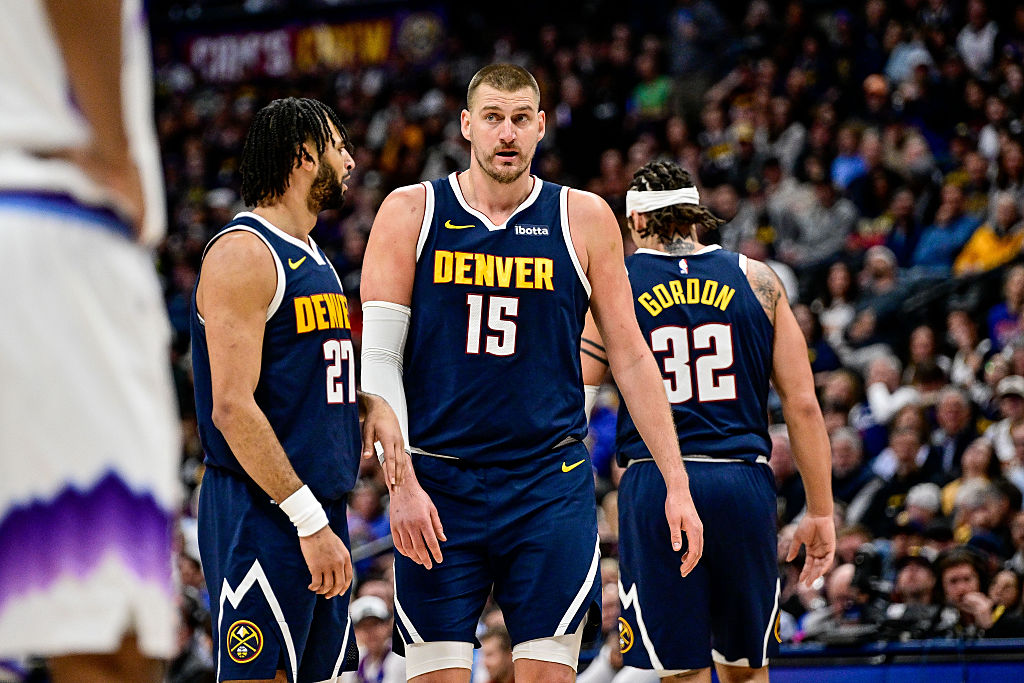
Denver finished the season well short of the expectations that had surrounded the team in previous years. Although Jamal Murray delivered the best individual campaign of his career, earning his first All-Star selection and a place on one of the league’s three All-NBA teams, and Nikola Jokić once again reaffirmed his status as one of the best players in the world, the Nuggets never found the consistency they needed when it mattered most. Injuries disrupted continuity throughout the year, while the lack of depth on the roster became increasingly apparent as the season progressed.
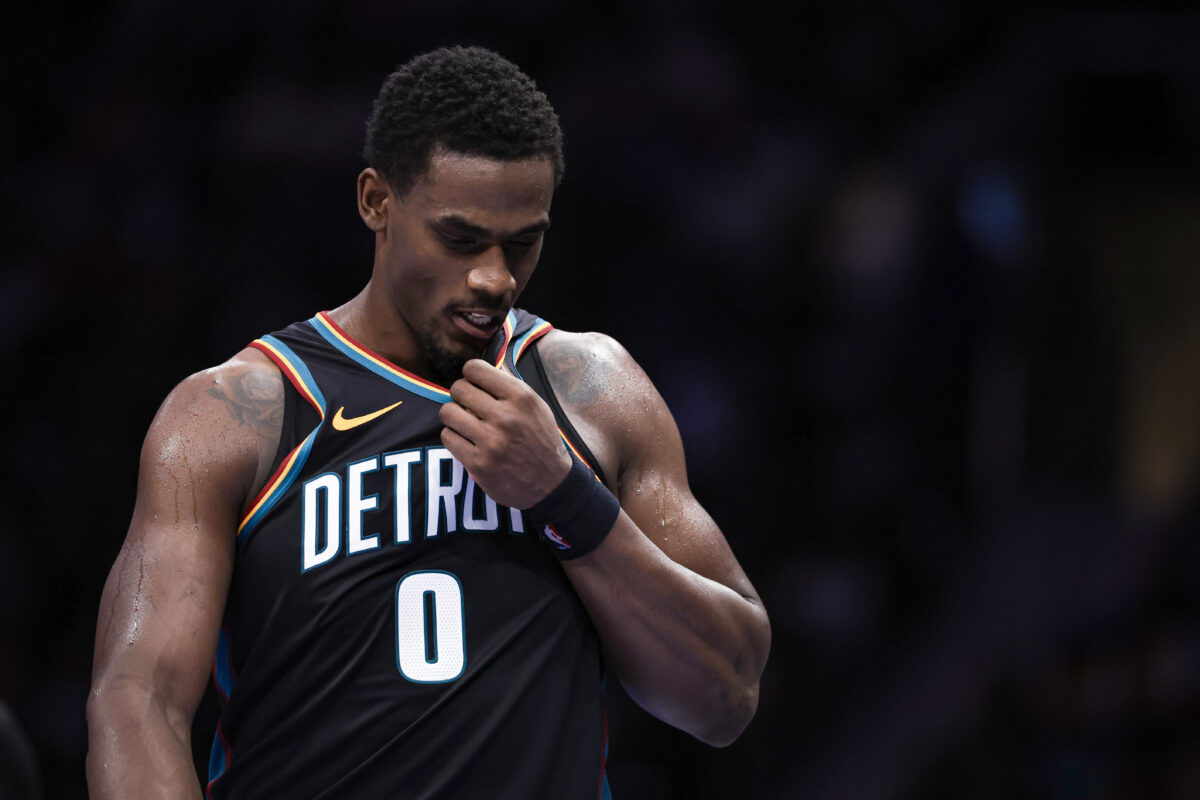

That is precisely why conversations in Denver are increasingly centered on the possibility that the problem is not the quality of the team’s stars, but the overall construction of the roster itself. That is also the most uncomfortable conclusion an organization can reach. Finding elite talent is difficult. Admitting that the problems may begin beyond it is often even harder.
Murray’s Value, Contract and Complicated Future
Particular attention has been focused on Jamal Murray’s situation. The Canadian guard has spent years serving as the ideal partner for Nikola Jokić and one of the defining figures of Denver’s championship team. In today’s NBA, however, a player’s ability is not the only factor that determines his future. Murray’s four-year, $207 million contract, which began this season, is among the largest on the roster, and financial flexibility has become one of the central issues facing the Nuggets. In an era defined by new luxury tax rules and restrictions on high-spending teams, every major contract carries additional weight. That is why Murray’s name appears in discussions about potential changes, and it’s not because there are doubts about his value as a player, but because he is one of the few assets whose market value could generate a substantial return in a trade.
An additional challenge for Denver is the fact that the organization already operates with one of the most expensive rosters in the league. Projections for the coming seasons indicate that the Nuggets will remain well above the luxury tax threshold and could potentially find themselves above the so-called second apron, a financial line established under the new collective bargaining agreement that imposes significant roster-building restrictions. Teams operating in that territory effectively lose access to certain mechanisms for acquiring quality free agents, face far less flexibility in trades, and encounter greater difficulty upgrading the roster without sacrificing important pieces already in place.
For that reason, Murray’s contract is now part of a much broader financial strategy that could shape the franchise’s future. In many ways, Denver has become a victim of its own success. The contracts that helped secure a championship have also created a roster structure that leaves little margin for adjustment.
Aaron Gordon and the Cost of Durability
A similar logic applies to Aaron Gordon. For years, the versatile forward has been one of the most important elements of Denver’s system. His ability to defend multiple positions, contribute in transition, and embrace a role that does not require constant individual recognition made him an essential part of the championship formula. The past two seasons, however, have also brought injury concerns. Gordon has appeared in a combined 87 games during that span, raising legitimate questions about the long-term sustainability of the current model. He remains highly respected throughout the league, which means that any decision to explore a trade involving Gordon would be motivated by a desire to refresh the roster and redistribute financial resources rather than dissatisfaction with his performance. For that reason, Gordon could be the first Denver star to leave this summer.
Also, we will see what happens with Christian Braun, whose $120,000,000 contract kicks in this summer, how the team handles the Peyton Watson situation, and what becomes of Cam Johnson… There are plenty of questions the franchise needs to answer as soon as possible.
For years, Denver’s biggest advantage was clarity, because the franchise knew exactly who it was building around. Now the challenge is different. The Nuggets know who their stars are. The question is whether they can still build enough around them. Nikola Jokić, Jamal Murray, Aaron Gordon, and the rest of the team’s core provide enough talent to compete at the highest level, but they also leave very little room to add the type of mid-tier contributors who often make the difference between a good team and a championship team. As a result, many league observers increasingly argue that Denver’s problem is not a lack of elite talent, it lacks financial flexibility that would allow the organization to build greater depth around its stars. That’s why now it’s time to figure out how to maximize the space around them.
The Depth Issue Denver Can No Longer Hide
Perhaps the most important aspect of the entire discussion concerns the roster as a whole. For several years, Denver has invested heavily in its starting lineup, but the results have not always matched those investments. When the key players were healthy, the Nuggets looked like a legitimate contender near the top of the Western Conference. Every absence, however, exposed weaknesses within the rotation. In playoff series against elite opponents, it became increasingly clear that the team lacked enough reliable options off the bench and enough players capable of creating offense on their own when opposing defenses devoted maximum attention to Jokić.
The paradox of Denver’s situation is that this is precisely the hardest problem to solve. While most teams attempt to build depth through free agency and mid-level contracts, the Nuggets are increasingly reliant on player development, the draft, and veteran minimum signings because of their financial position. That significantly narrows the front office’s room for maneuver and increases the likelihood that any meaningful roster upgrade will have to come through some form of trade.
A Western Conference That Will Not Wait
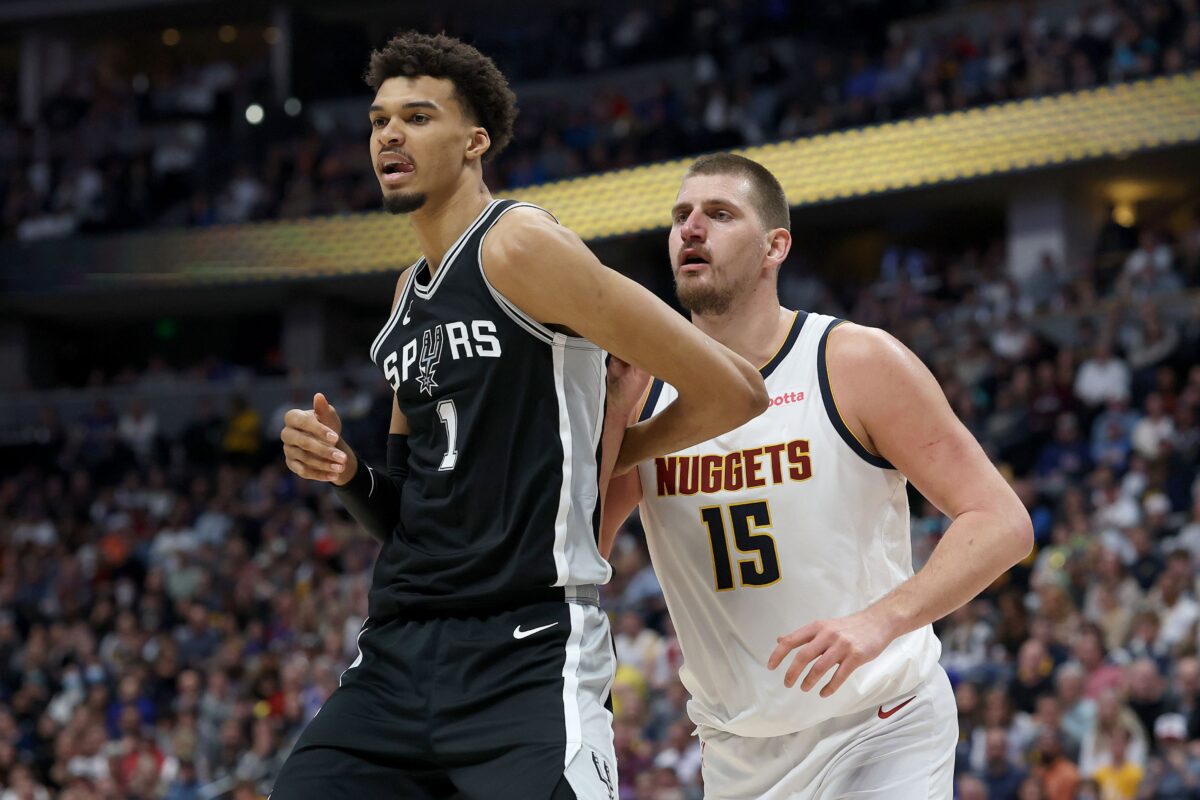
That is why some analysts believe Denver could ultimately choose to pursue a partial, or even substantial, roster reconstruction. Such a move would represent the beginning of a new project, but one designed to extend the championship window while Jokić remains in the prime of his career. Looking now, San Antonio has already arrived with Victor Wembanyama and appears poised to become one of the defining forces in the Western Conference over the next decade alongside the Oklahoma City Thunder. The Lakers, Minnesota, and Houston are also firmly in the picture. The Nuggets now find themselves standing at precisely that crossroads.
The irony is that these questions are emerging while Jokić continues to perform at an MVP level. In most organizations, that would be a source of long-term comfort. In Denver, it has become a reminder that championship windows are never as permanent as they appear.
Jokić Is the Only Certainty
What remains beyond debate, however, is Nikola Jokić’s status within the organization. Team president Josh Kroenke has made it clear that the Serbian center is the only player who is not involved in any trade discussions and every future decision will be made with the goal of building a stronger contender around him.
There is no certainty that major trades will ultimately take place, nor are there indications that the front office has already reached definitive conclusions. Yet the fact that names such as Jamal Murray and Aaron Gordon are being seriously mentioned in such conversations for the first time says plenty about the moment the franchise is facing. The Nuggets are entering a summer in which they must find a balance between preserving their championship identity and adapting to new challenges.
The next phase of one of the most successful eras in franchise history may well depend on the choices they make now. Denver already has the player every franchise spends years searching for. The challenge is making sure the roster around him remains worthy of that reality.