




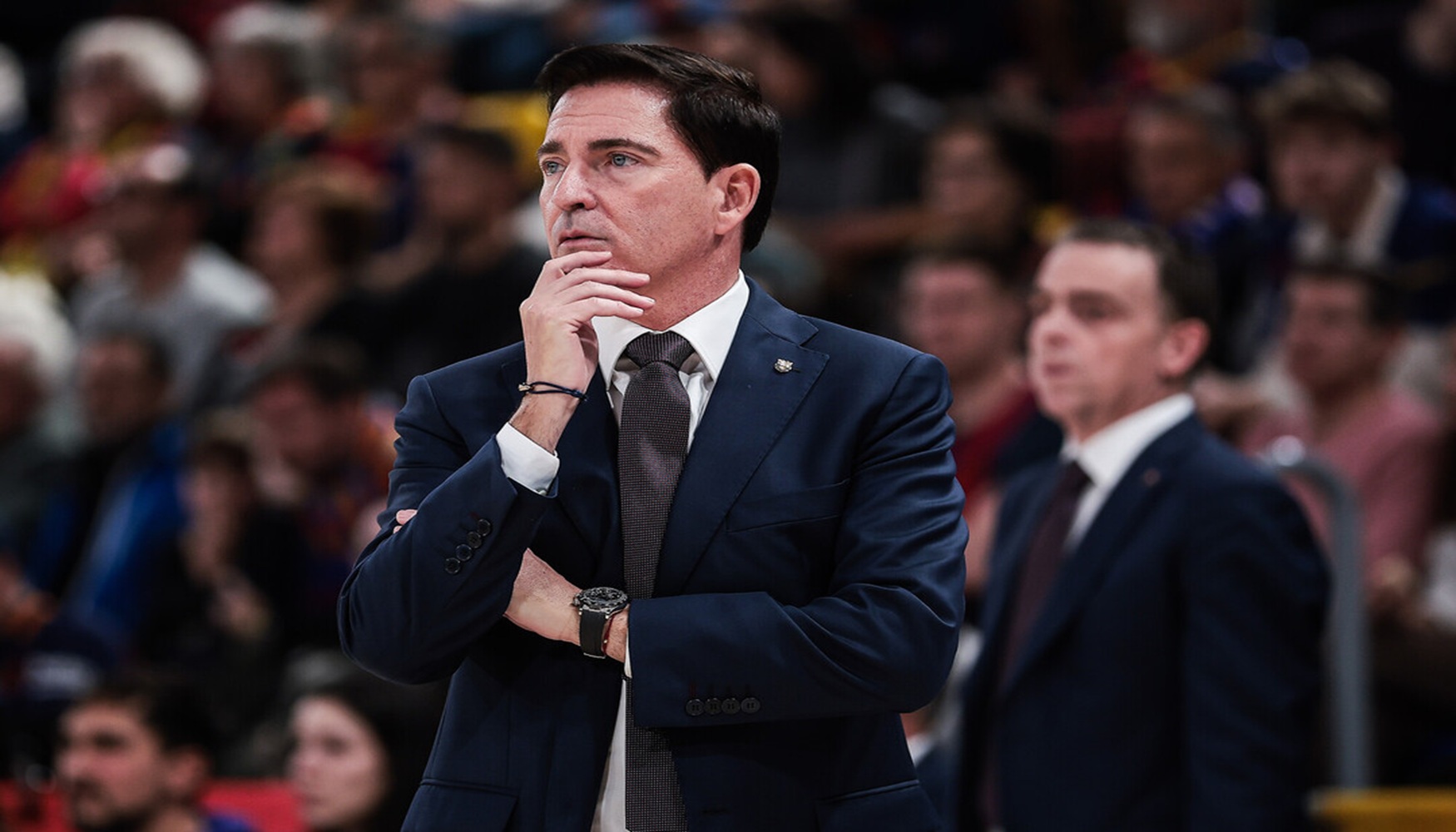

“Watching Barça lose is something I simply can’t bear. It’s what has broken me. Here I suffer three times more, and I’m not the right person to start the new project. Leaving is the best outcome for everyone.”


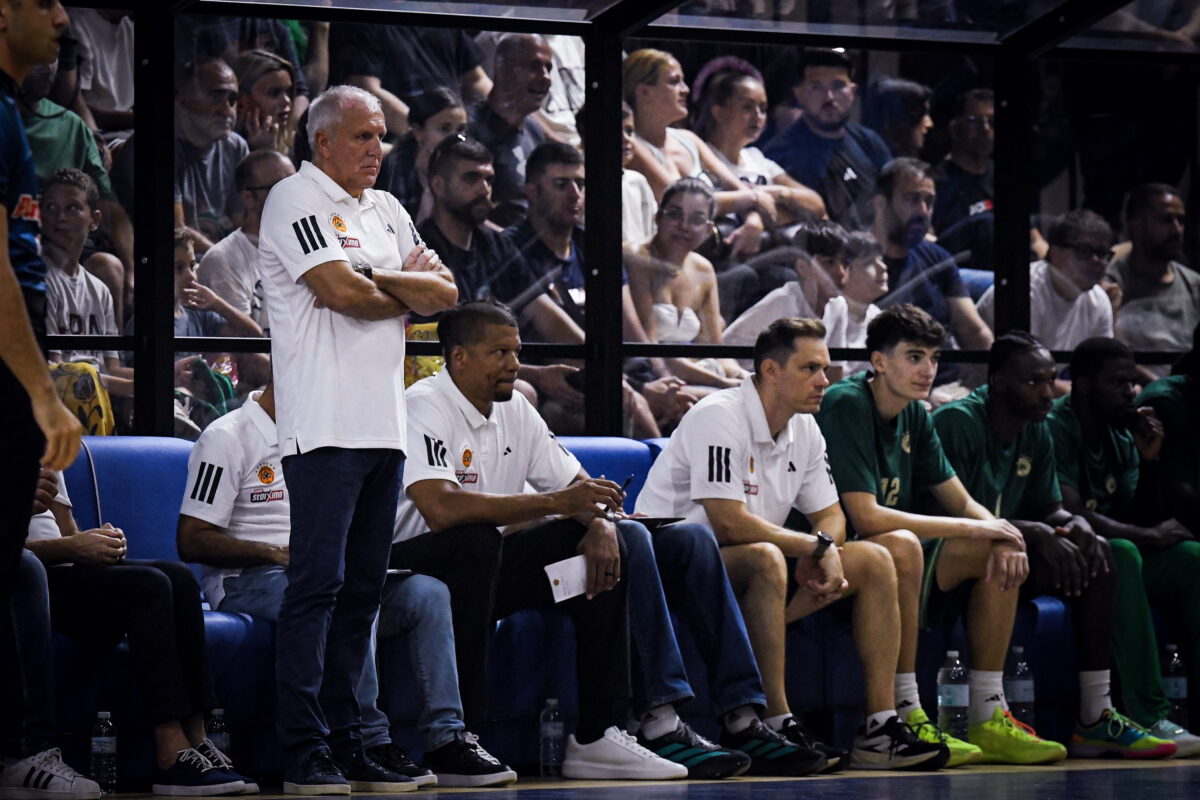
With those words, Xavi Pascual explained at a press conference why he has decided to step down from the bench of the club he loves most: Barça. After a glittering first spell in charge, during which he led the Blaugrana to what remains their most recent EuroLeague title in 2010 —alongside four ACB League championships and three Copa del Rey trophies— the Catalan coach returned to the club nine years later, in November of last year.
Yet beyond the pain of defeat and Pascual’s unquestionable affection for Barça, the reasons behind his decision to walk away —despite being under contract until June 2028— run far deeper than a disappointing season. In fact, Pascual made the decision before the Liga Endesa playoff, in which Barça just reached the final. But even winning the title would not make Pascual stay at the club.

Before his decision, results had certainly fallen short of expectations. Barça failed to advance beyond the EuroLeague Play-In, finished fifth in the ACB regular season, and were knocked out in the Copa del Rey semifinals by eventual champions Baskonia. But the coach’s frustration with the way the basketball department is currently being run goes much further. In fact, Pascual has chosen to pay his own €300,000 release clause in order to leave.
The statement that best captures his state of mind, however, came later.
“I’ve been at Panathinaikos and Zenit, and I’ve grown accustomed to doing things differently from the way they’re done in a multi-sport club like Barcelona. I need immediacy. I need to raise my hand and have things happen, and the club operates differently. That way of working has worn me down throughout the season.”
With those remarks, Pascual made it clear that the real issue lies elsewhere. Barça remains one of Europe’s most historic multi-sport institutions, but in today’s reality football dominates everything. After years of financial difficulties, basketball has undeniably been pushed into the background.
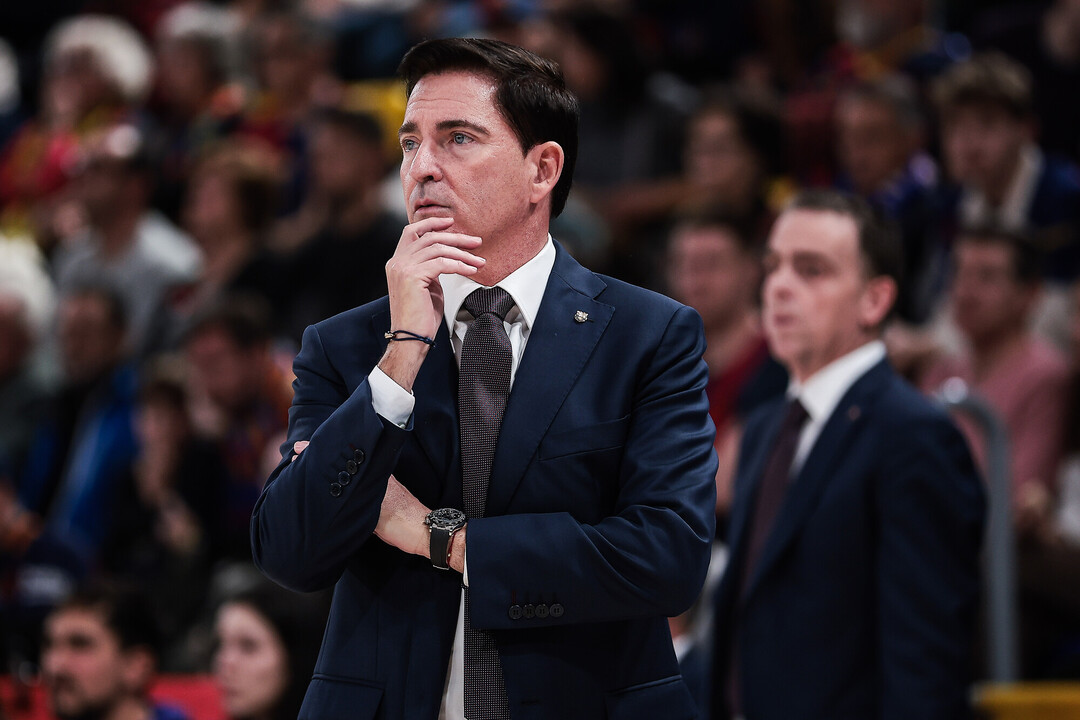
And that is something Pascual simply cannot accept.
It was not easy for the 53-year-old coach to agree to return in November as Joan Peñarroya’s replacement. He knew Barça were coming off two disappointing seasons —first under Roger Grimau and then under Peñarroya— without a single trophy and with just 95 wins in 160 games across all competitions, a winning percentage below 60%. A poor figure for a club where winning is —or should be— a daily requirement. The current campaign had also begun badly: seven victories in the first fifteen games and no participation in the Spanish Super Cup due to the previous season’s struggles.
Even so, Pascual, who had been without a team since leaving Zenit, accepted the challenge after receiving assurances from the club that a center would be signed in January and that any major injuries would be addressed through the transfer market. Something that had not happened under either Grimau or Peñarroya.
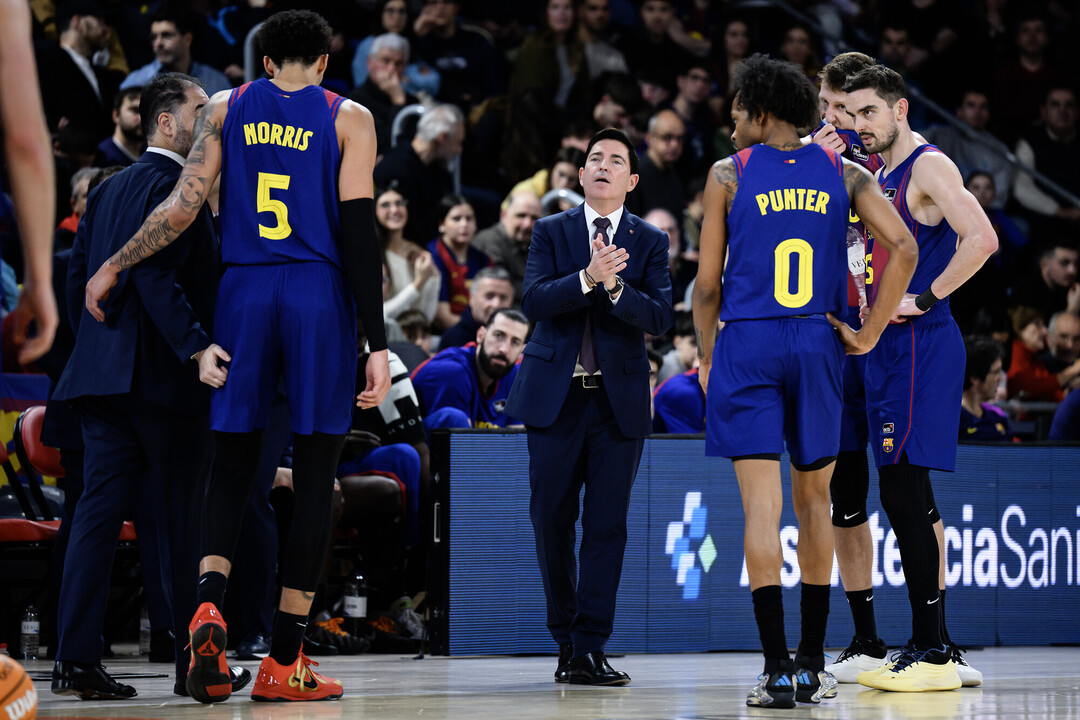
And it certainly was not for lack of injuries. During the decisive stretch of the season, Nico Laprovittola, Will Clyburn, Jan Vesely and Tomas Satoransky all missed extended periods for various reasons. The situation became so severe that Barça were forced to accelerate the return of young point guard Juan Núñez after more than a year sidelined by recurring knee problems, following the losses of Laprovittola and Satoransky. However, the new signings never arrived to Can Barça. Neither promise was fulfilled.
Faced with that reality, Pascual spent weeks trying to ensure the same scenario would not be repeated in 2026-27, which would have been his first full season building the project from day one. The upcoming campaign will be particularly important. The club is set to increase the basketball budget from €29 million to roughly €35 million, while several major contracts are due to expire this summer, including those of Willy Hernangómez, Laprovittola, Vesely and Satoransky. Against that backdrop, Pascual asked the club for guarantees that funds would be available to enter the market in the event of injuries, fully aware that competing for a spot in the EuroLeague Final Four becomes extremely difficult otherwise.
Meanwhile, Barça completed deals for Josh Nebo or Moses Wright, and explored high-profile targets such as Mike James, Timothé Luwawu-Cabarrot and Nick Weiler-Babb. What never arrived, however, were the assurances Pascual wanted regarding the flexibility to solve problems once the season was underway. And this is why the coach increasingly felt that basketball was being treated as a secondary concern at Barça. For weeks he attempted to secure a meeting with club president Joan Laporta, without success. He also sought discussions with Laporta’s right-hand man, Rafa Yuste, but met little more luck. Only when alarm bells began ringing and reports emerged linking Pascual with a move to Dubai did the club’s senior executives become fully engaged.
But it was already too late.
At that stage, Pascual had received an offer from Dubai Basketball Club to become the leading figure in an ambitious project where basketball is the unquestioned priority. After a respectable debut EuroLeague campaign, the club’s objective is to strengthen an already promising core featuring players such as Dzanan Musa and Filip Petrusev.
In Dubai, financial resources will not be an issue. Barring a significant deterioration in the geopolitical situation, Pascual is expected to take charge at Coca-Cola Arena when the new season begins in September. Nor did it help that Barça had sounded out Ibon Navarro as a possible alternative. Even though the club later issued a statement insisting Pascual remained its only option, the episode did not sit well with the Catalan coach.
And so, amid unfulfilled promises and very few guarantees about the future, a growing sense of distrust took root within Pascual.
Ultimately, that distrust led him to leave the club of his life. The same club that spent almost a decade longing for his return —apart from the successful Sarunas Jasikevicius era— and which has now been unable to hold on to him during what proved to be a brief second spell on the Blaugrana bench for the highly respected coach from Gavà.