



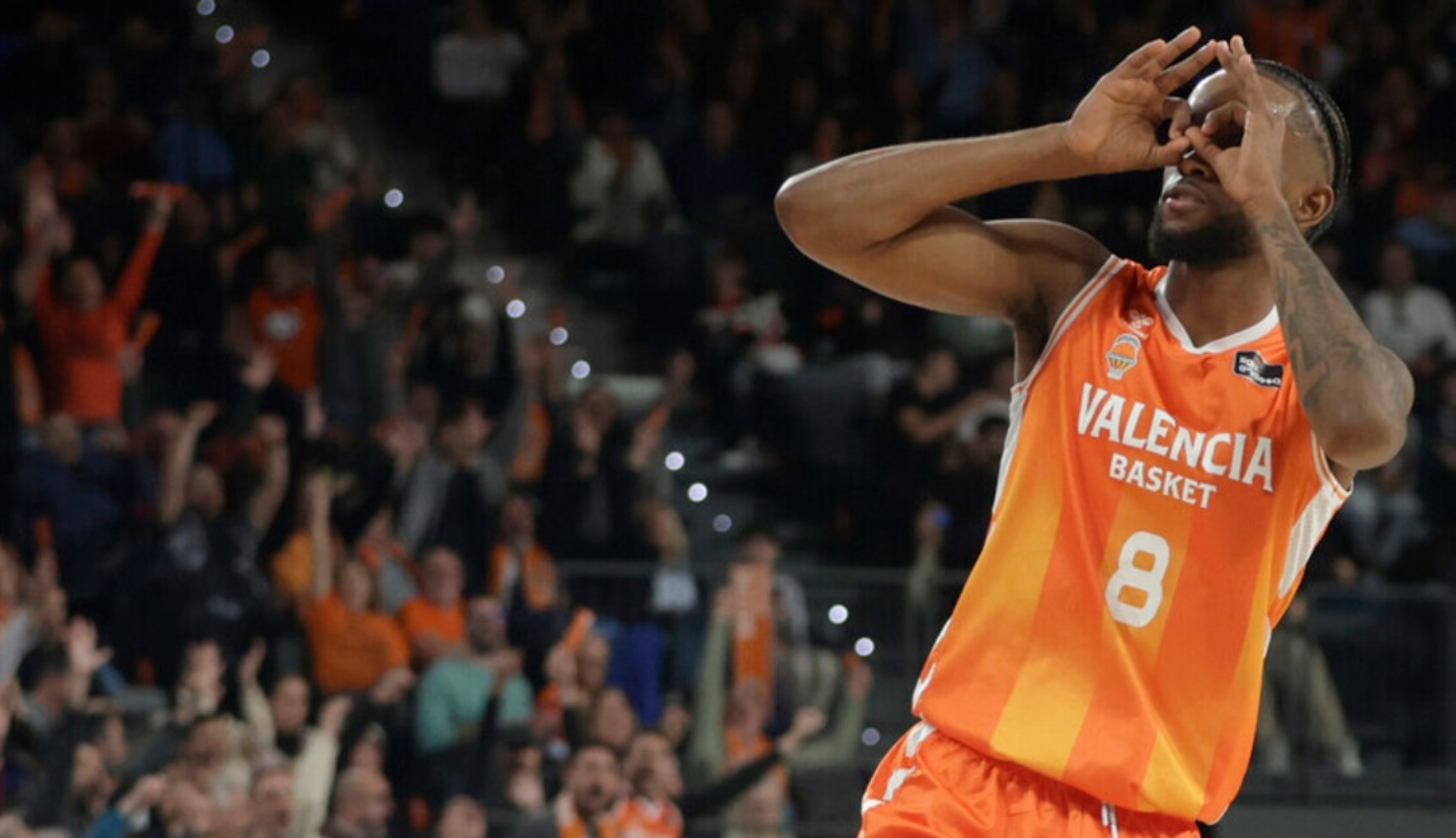

When basketball fans talk about the next generation of European stars, Jean Montero’s name is never far from the conversation. The Dominican guard has become one of the most exciting young players outside the NBA, dazzling crowds with his creativity, fearless shot-making and ability to take over games in crunch time.


But behind the highlights, awards and growing reputation lies a story that many fans don’t know. From building makeshift hoops in the streets of Santo Domingo to becoming one of the most respected young guards in Spain, Montero’s journey is full of unexpected twists.
Here are seven things you probably didn’t know about one of European basketball’s brightest talents.
1. He learned the game on homemade hoops built from bicycle wheels
Long before he was breaking down defenses in the Euroleague, Montero was simply trying to find somewhere to play.
The court closest to his home belonged to a school, which meant access was limited. When there was nowhere to play, he and his friends got creative. Like many kids in the Dominican Republic, they built their own basket using a wooden board and a small bicycle wheel.
Every January 6, he would receive a bicycle as a gift. Before long, either his bike or his cousin’s would be missing its spokes because they had turned the wheel into a basketball rim.
It’s the kind of basketball origin story that perfectly explains the creativity and improvisation that still define his game today.
2. Kobe Bryant inspired him before he ever watched a full Lakers game
Montero’s first memories of watching basketball come from the 2010 NBA Finals between the Los Angeles Lakers and the Boston Celtics.
But Kobe Bryant had already caught his attention before then.
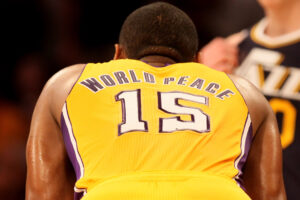
The reason was surprisingly simple: his uncle owned several Kobe jerseys, both No. 8 and No. 24, in different colors. Young Jean assumed that anyone worthy of so many jerseys had to be special.
When he finally saw Bryant play, the fascination only grew stronger.
For many players of his generation, Kobe was an idol. For Montero, the connection started with the jerseys before it moved to the court.
3. He never really had a normal adolescence
At just 20 years old, Montero already speaks like someone who has lived several basketball lives.
His rise was so rapid that he often competed against older players, represented Dominican national teams above his age group and became known nationally while still a child.
By the age of 13, he had already left home in pursuit of his basketball dream.
Looking back, Montero openly admits that he missed out on many of the experiences that define adolescence.
“Everything happened too fast,” he says.
The sacrifices were enormous, but so was the reward. His mother’s advice during those difficult moments remains one of the guiding principles of his career: today’s effort becomes tomorrow’s success.
4. “El Problema” wasn’t his first nickname
Basketball fans know him as “El Problema,” a nickname that has become synonymous with his ability to torment opposing defenses.
But that wasn’t the first nickname he carried.
As a child, people called him “Jean Cabeza” because his head looked disproportionately large compared to the rest of his body. As he grew older and caught up physically, the nickname disappeared.
“El Problema” arrived in 2016 after an outstanding performance at the FIBA U16 Americas Championship. A Dominican basketball website used the phrase to describe him, and it stuck.
Considering how many defenders he has embarrassed since then, the nickname has aged remarkably well.
5. His confidence has always been one of his greatest weapons
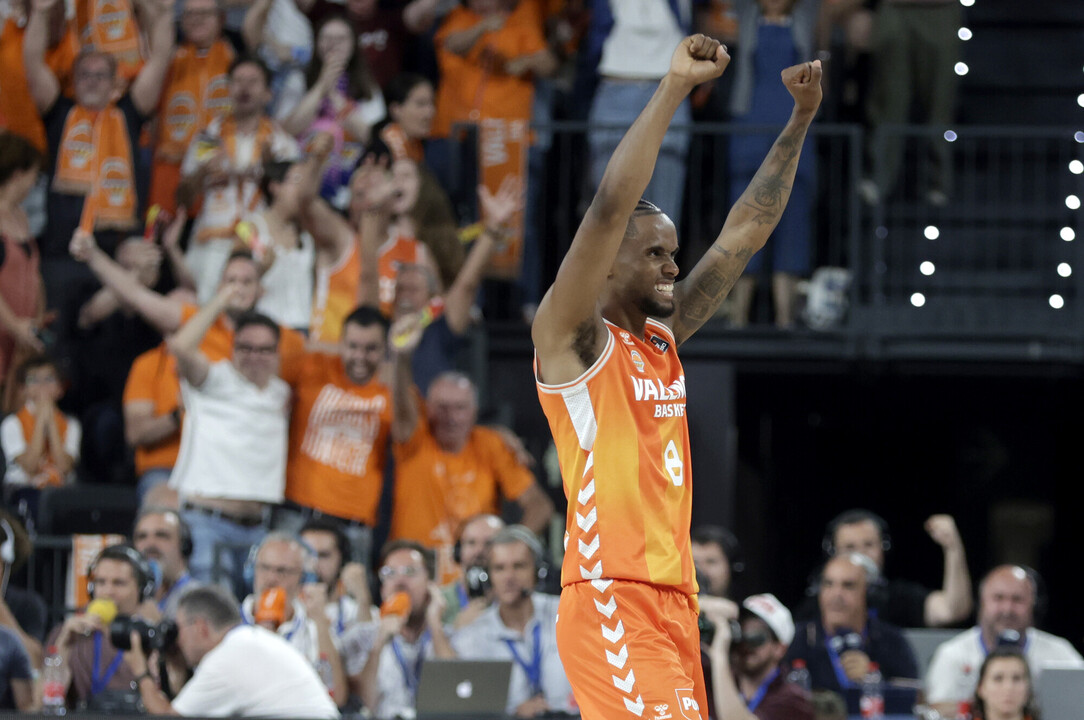
Montero’s swagger isn’t manufactured. It has been part of his personality since childhood.
One famous story from his time at Real Betis tells of him walking into the locker room and declaring: “When there are problems, give me the ball.”
He was only 19 years old.
Rather than backing away from responsibility, Montero actively seeks it. He describes himself as someone who fears nothing on the basketball court and enjoys challenges that others might avoid.
That confidence has occasionally been mistaken for arrogance, but his teammates and coaches have consistently seen something different: a young guard who genuinely believes he belongs in the biggest moments.
And more often than not, he has proved himself right.
⭐️ Jean “El Problema” Montero, estrella de Europapic.twitter.com/497zPG43o3
— Eurohoops España (@EurohoopsES) May 8, 2026
6. Some teams thought he wasn’t ready for the ACB
Today, it sounds almost impossible.
Yet before his breakthrough, Montero says he was offered to a couple of teams that preferred not to sign him because they believed he still needed development at a lower level.
The rejection became fuel.
Montero never doubted that he was capable of playing in Spain’s top division. In fact, he insists he didn’t see himself as a LEB Plata player—or even a LEB Oro player.
That self-belief became one of the driving forces behind his rapid rise.
For a player who thrives on challenges, every doubt became motivation.
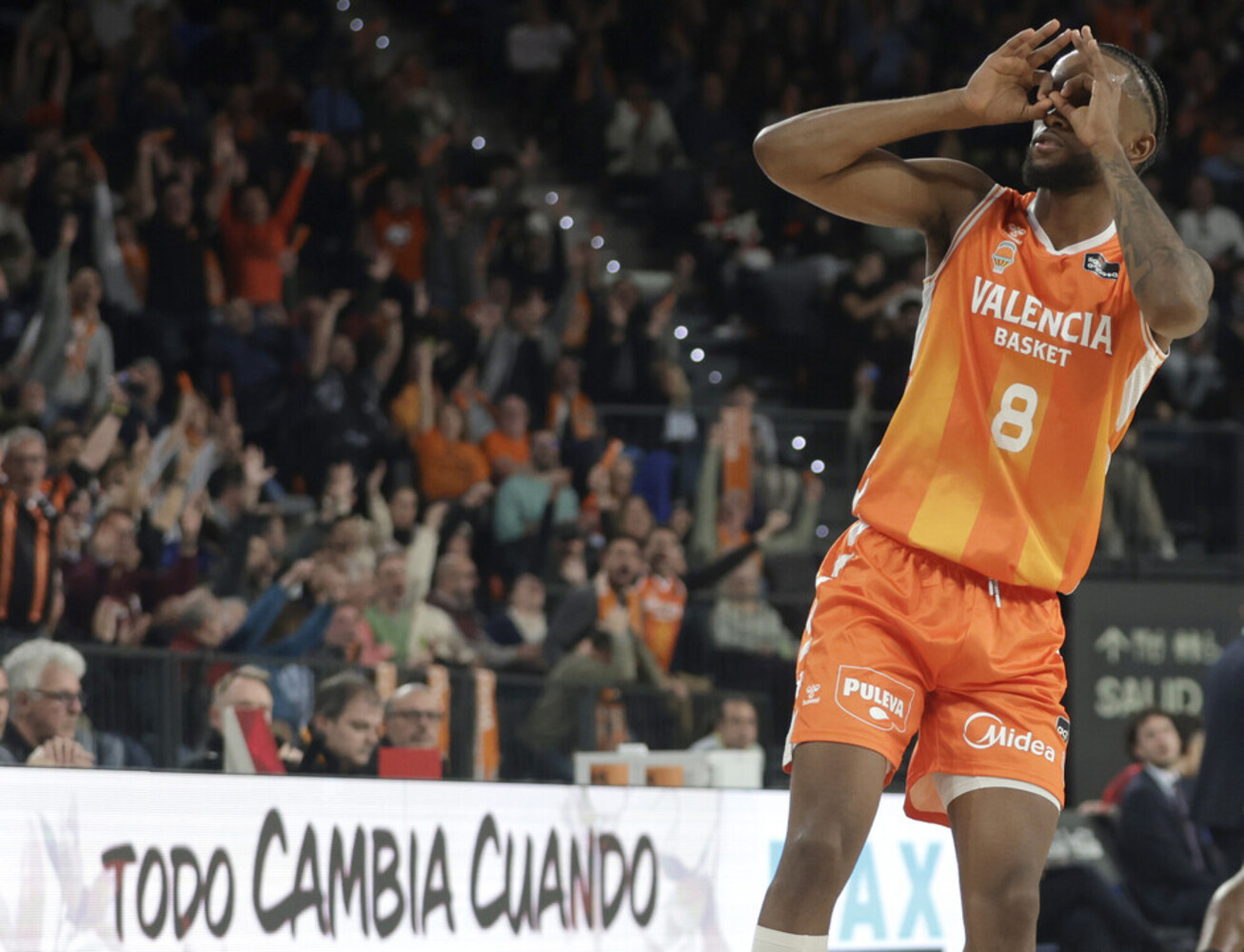
7. His official Dominican Republic debut technically disappeared
Perhaps the strangest fact of all concerns his senior national-team debut.
Montero was scheduled to make his first appearance for the Dominican Republic during a FIBA qualifying window in 2020. Another young guard, Andrés Feliz, debuted in one game, while Montero was set to play against Cuba.
The problem?
Cuba never showed up.
The game was cancelled and later erased from the official records after Cuba’s disqualification.
As a result, Montero’s first senior international appearance effectively vanished from history.
Most players remember every detail of their national-team debut. Montero’s is unique because, officially, it almost never happened.
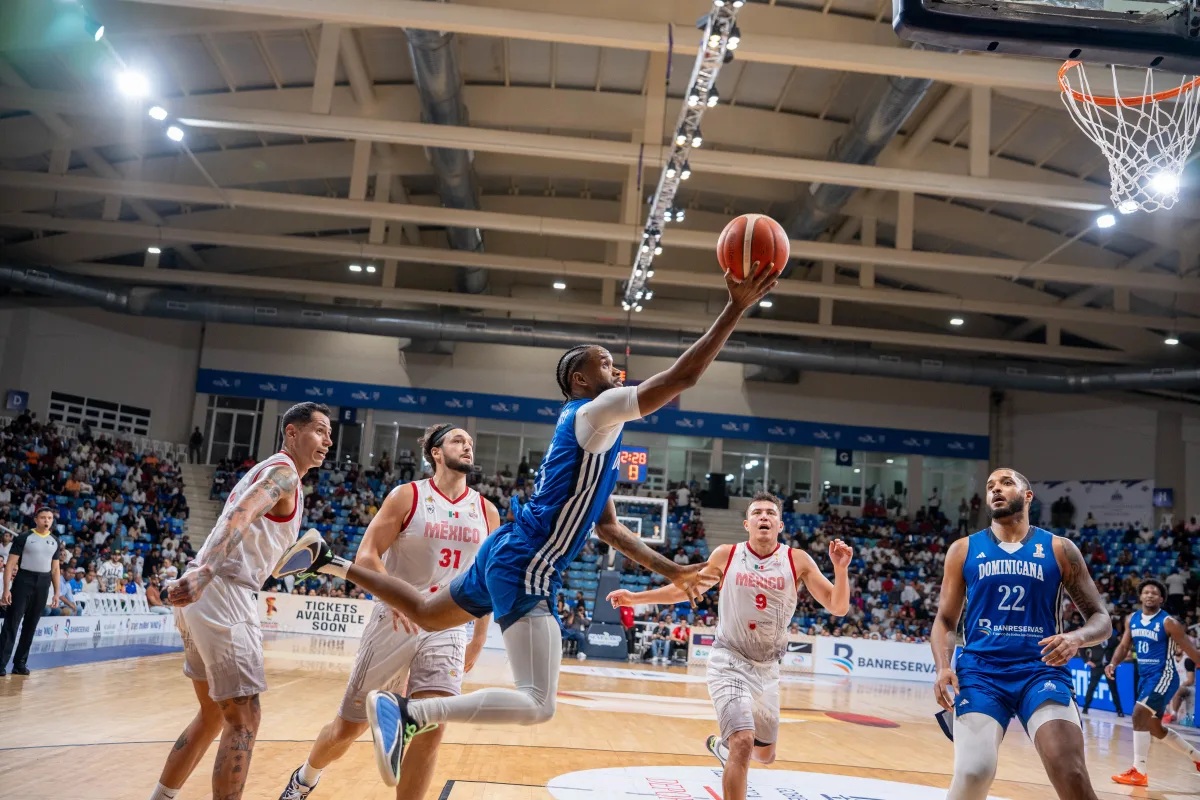
The Future Is Still Ahead
For someone who is already one of the most exciting guards in European basketball, Jean Montero remains remarkably focused on what comes next.
Whether the future leads him deeper into European stardom or eventually to the NBA, the qualities that brought him here are unlikely to change: creativity, resilience, fearlessness and an unshakable belief in himself.
The homemade rims are gone. The stages are bigger. The spotlight is brighter.
But the kid who kept playing basketball in the streets because he couldn’t find an open court is still very much there.