








The Ripple Effect: Middle East Instability and European Basketball

Euroleague

The Ripple Effect: Middle East Instability and European Basketball

European basketball has always been intertwined with politics, geography, and shifting geopolitical realities, but the modern EuroLeague landscape is increasingly being shaped by forces far beyond the court. The recent expansion of the competition and the inclusion of clubs from politically sensitive regions have highlighted a growing tension between sporting ambition and security reality.

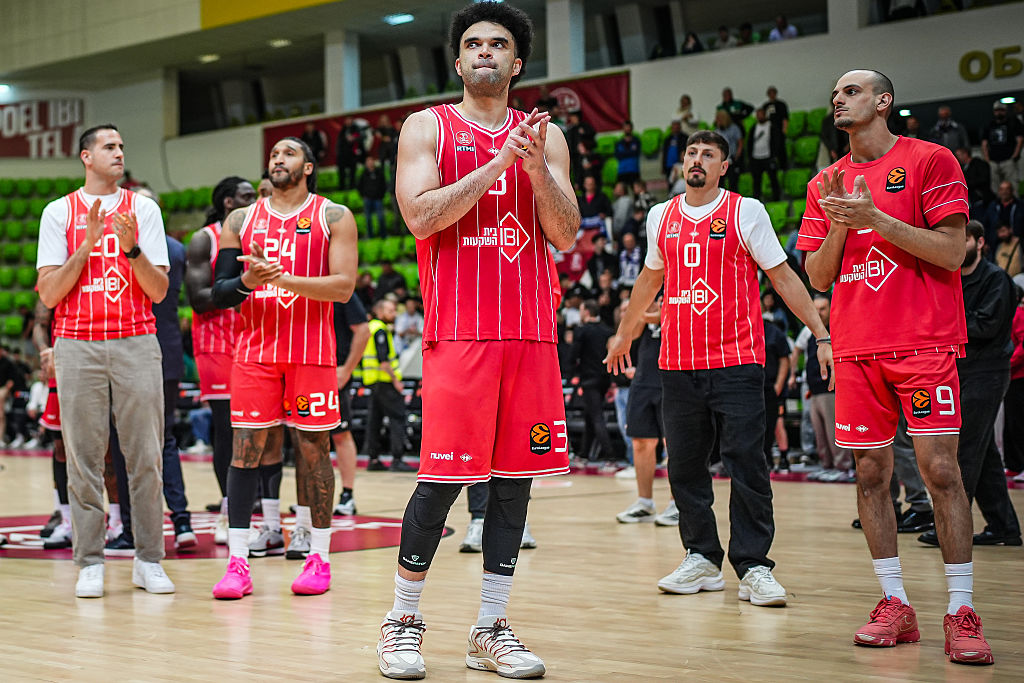
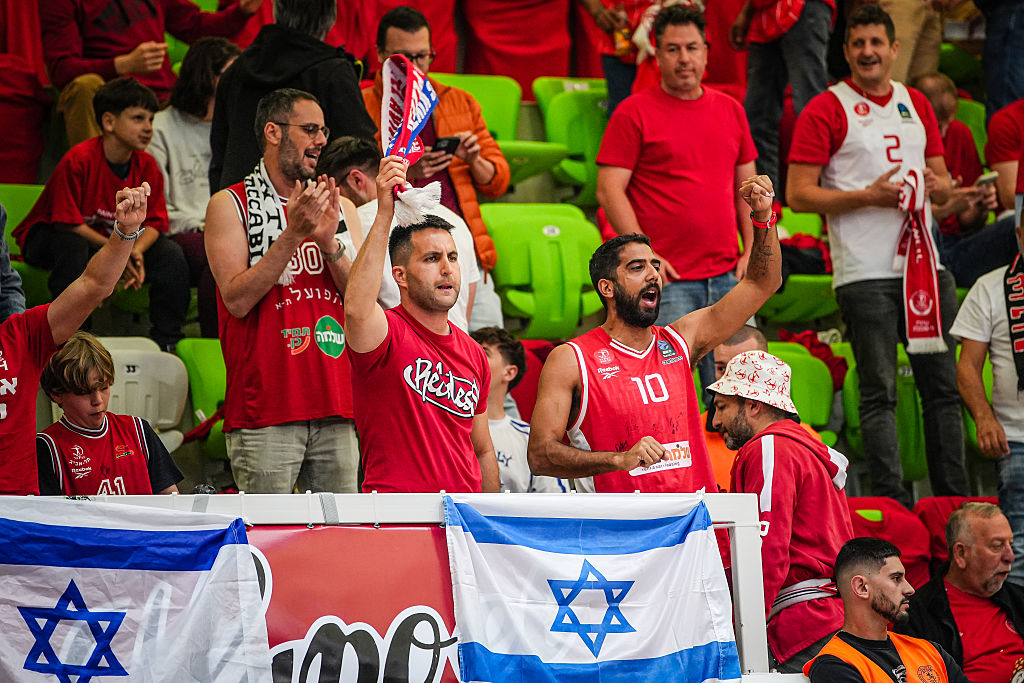
Teams such as Hapoel Tel Aviv and Maccabi Tel Aviv have found themselves repeatedly navigating an unstable environment due to the broader security situation in the Middle East. In recent seasons, logistical arrangements forced temporary relocations, with games played outside Israel, including stints in Bulgaria and Serbia. Even after returning to their home arenas under improved conditions, renewed escalation in regional conflict and security concerns have again disrupted continuity, forcing clubs and organizers to reassess what “home court” truly means in a pan-European competition.

A similar situation has surrounded Dubai Basketball’s entry into the EuroLeague ecosystem. While representing a major commercial step for the league’s global expansion, the club has also faced complications linked to regional stability and travel logistics. In some cases, home games have been staged in neutral venues such as Sarajevo, underscoring how fragile the assumption of geographic stability can be when integrating new markets into elite European sport.

These repeated relocations raise a fundamental question: can professional athletes consistently compete at the highest level in environments where security risks remain fluid and unpredictable? Even when games are successfully moved to neutral countries, uncertainty around future fixtures persists, affecting players, staff, and competitive balance.

The issue is not new for European basketball. Only a few years ago, Russian clubs were removed from EuroLeague and other continental competitions following the outbreak of war in Ukraine. That decision reshaped the competitive structure overnight, eliminating major financial and sporting stakeholders from the league. In hindsight, it also demonstrated how quickly external conflict can force governing bodies into decisive action when the integrity and safety of the competition are perceived to be at risk.

Taken together, these developments place EuroLeague at a crossroads. Expansion into new markets brings financial growth and global reach, but it also increases exposure to geopolitical volatility. The recurring relocations, suspensions, and logistical compromises prompt a broader question: how sustainable is a truly pan-European league when parts of its geography are subject to instability?

Ultimately, the challenge for EuroLeague leadership is not only sporting or commercial, but structural. Ensuring competitive fairness and athlete safety while maintaining an ambitious international footprint may prove to be one of the defining balancing acts of modern European basketball.

CONTINUE READING

They Don’t Make Players Like Nando De Colo Anymore

They Don’t Make Players Like Nando De Colo Anymore

“One of the most important players in European basketball.” Šarūnas Jasikevičius was a master with the ball and no stranger to the right words. That was how he summed up the career of Nando De Colo, who played the final game of his professional career on June 19, 2026. Exactly twenty years after making his […]