




Generational shifts in the NBA never happen all at once. Great players usually do not leave the stage the moment new ones appear, and young talents are not immediately handed the right to take over the league. One group is still holding its ground, another is attacking it with growing force.


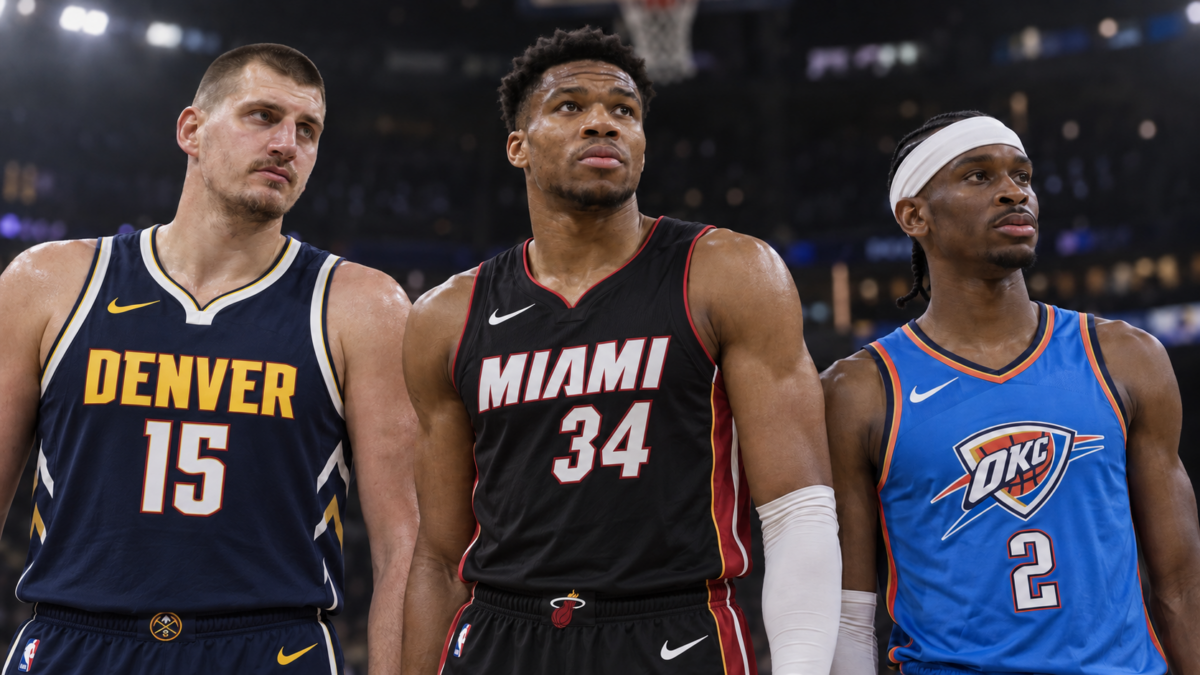
Many people are wondering what awaits the NBA in the coming years. Nikola Jokić, Giannis Antetokounmpo, Luka Dončić, Shai Gilgeous-Alexander, Anthony Edwards, Jayson Tatum and Devin Booker will not suddenly disappear from the story. But new faces will arrive, a new wave of players eager to prove it belongs.
That is why the question is not who will replace today’s stars, but who will be strong enough to take a share of their attention and status while they are still here.
Wembanyama Is No Longer Just the Future
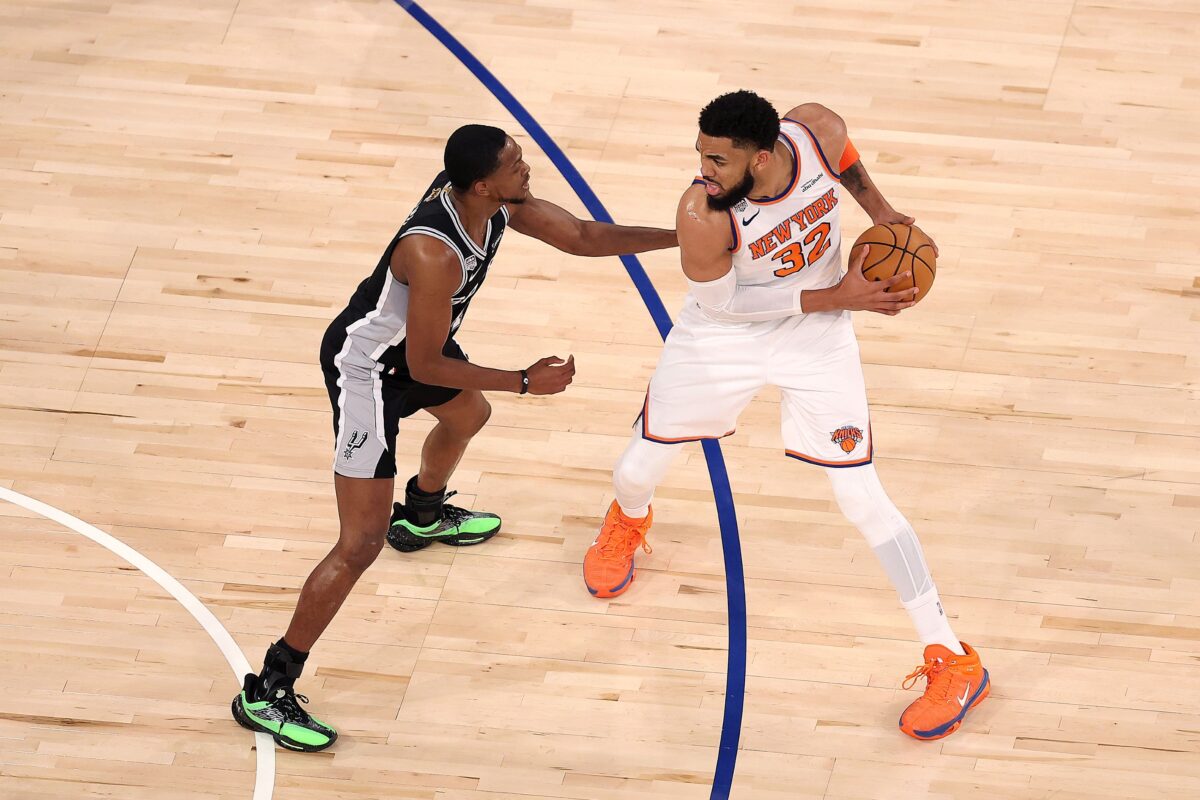
Victor Wembanyama has moved beyond the idea of being the future of the league, and this season he has definitively become part of its present. He may be the only young player about whom it can already be said that he does not need to wait until 2030 to change the NBA.
He has the height of a center, the mobility of a wing, timing as a shot blocker, shooting touch, feel, spatial awareness, and the ability to put fear into opponents when he is defending.
Wembanyama is forcing the league to write a new definition. If his health stays on his side, the San Antonio Spurs will have a star around whom the entire league can revolve.
Anthony Edwards has carried for several years now the kind of superstar energy the NBA loves more than almost anything. His game is direct, physical, sometimes raw, but always compelling.
If Wembanyama is a glimpse into the future of basketball, Edwards gives American fans a more familiar kind of star, one who is loud, explosive, confrontational, and impossible to ignore. He attacks the rim constantly, provokes opponents and feels no need to apologize to anyone for believing he is the best player on the floor.
Flagg and the Value of a Complete Game
Somewhere in that conversation begins the story of Cooper Flagg. His value is not only in his reputation as a major talent, but in the impression that he is the kind of player who could survive across different basketball eras.
His potential is in the breadth of his game, from defense and off-ball movement to spatial understanding and the ability to influence a game even when the offense is not running through him. In an era in which everyone is searching for the next great scorer, Flagg could become a two-way leader whose team does not constantly have to adjust the system to him, because he can fill almost every gap himself.
The Next Names in Line
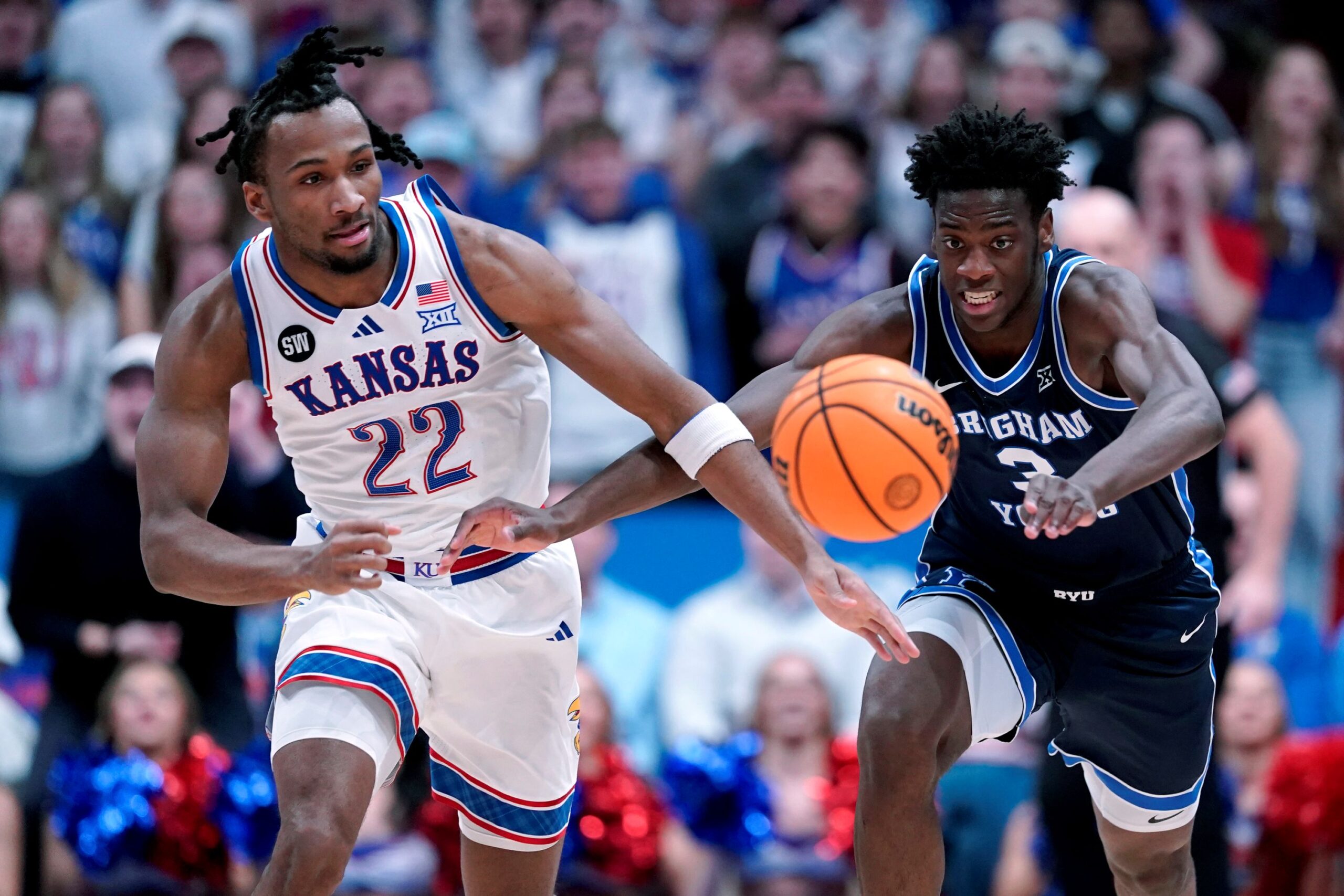
The new generation, of course, does not end with him. AJ Dybantsa belongs to the type of player the NBA pays the highest price for today. He’s a big wing with scoring instincts and physical tools. The league has spent years searching for players big enough to punish smaller defenders, quick enough to attack bigger ones and skilled enough to create their own shot when the most important games arrive. Dybantsa still has a long way to go. But players with that profile can change the fate of franchises when talent, development and the right environment meet at the same time.
Darryn Peterson belongs to the line of big guards who hold the ball, the rhythm and the ability to decide games in their hands. In a league in which Dončić, Shai, Tyrese Haliburton and Jalen Brunson have shown the value of a player who can control an offense, Peterson is a name that deserves special attention. With him, the question will not only be whether he can score. It will matter more whether he can become a true NBA-level organizer, a player who does not simply take difficult shots, but makes life easier for others.
Dylan Harper grows alongside Wembanyama in San Antonio, he will not immediately have to carry the burden of an entire franchise. Harper can learn in the space created by a generational big man: when to attack, when to slow down, when to take the game into his own hands. Not every future star is condemned to be a franchise savior from day one. Some become great precisely because, at the beginning, they have enough room not to pretend they are already a finished product.
V.J. Edgecombe, Kon Knueppel, Ace Bailey, Jeremiah Fears and Tre Johnson belong to a group that will inspire a different kind of debate. One of them will make a major leap, one will remain a good NBA player, and one may not meet expectations. Edgecombe brings athletic force and two-way potential. Knueppel has shooting, maturity and a clean basketball game that may not always look spectacular, but can lead to wins. Bailey has the physical and scoring ceiling scouts cannot easily ignore. Fears and Tre Johnson bring guard skills that, in the right system, can grow beyond their initial projections.
There May Be No Single Heir
After Michael Jordan, everyone searched for the next Jordan. After LeBron James, everyone searched for the next LeBron. The future of the NBA appears broader than that.
Jokić’s influence is already visible in players such as Alperen Şengün, who understands the center position through passing, rhythm and back-to-the-basket play. Chet Holmgren and Evan Mobley represent another direction in the development of big men, bringing height, rim protection, mobility, shooting and defensive intelligence. Paolo Banchero and Scottie Barnes offer models of big wings who can carry an offense in different ways. Cade Cunningham, if he finally gets a stable team structure around him, can become one of those playmakers whose value grows as the game matures.
That is especially true when we are talking about players who have yet to be drafted. Where a player ends up, who coaches him, how many mistakes he will be allowed to make, whether the organization develops him or burns through him, whether there will be patience or panic around him.
The NBA is full of stories about players who looked like the future of the league until they landed with the wrong franchise, in the wrong system, with the wrong coach or on a roster where there is simply no room for them to grow.
The Old Guard Will Not Step Aside Easily
Jokić may no longer be at his physical peak, but his game has an intelligence that ages more slowly than athleticism. Giannis will be older, but players with his build, work ethic and competitive drive do not disappear without a fight. Luka, if health and discipline stay on his side, will still be in the years when geniuses dictate the league. Shai, Edwards, Tatum, Booker, Brunson, Haliburton, Maxey will be part of the top tier that the next generation has to attack.
Young players will enter a league loaded with quality, class and status. They will have to roll up their sleeves and work relentlessly to claim ground from stars who already know the pressure of the playoffs, the weight of an MVP race, the demands of a major market, what it means to play in the Finals, how much defeat can hurt and how much joy can come from a victory that changes a career.
Maybe Dybantsa or Peterson will grow into names around whom entire franchises are built. Maybe they’ll not. The NBA after 2030 may not belong to one successor at all. We will be watching a battle for several thrones. And that is exactly why it could be more exciting than we can imagine today.