







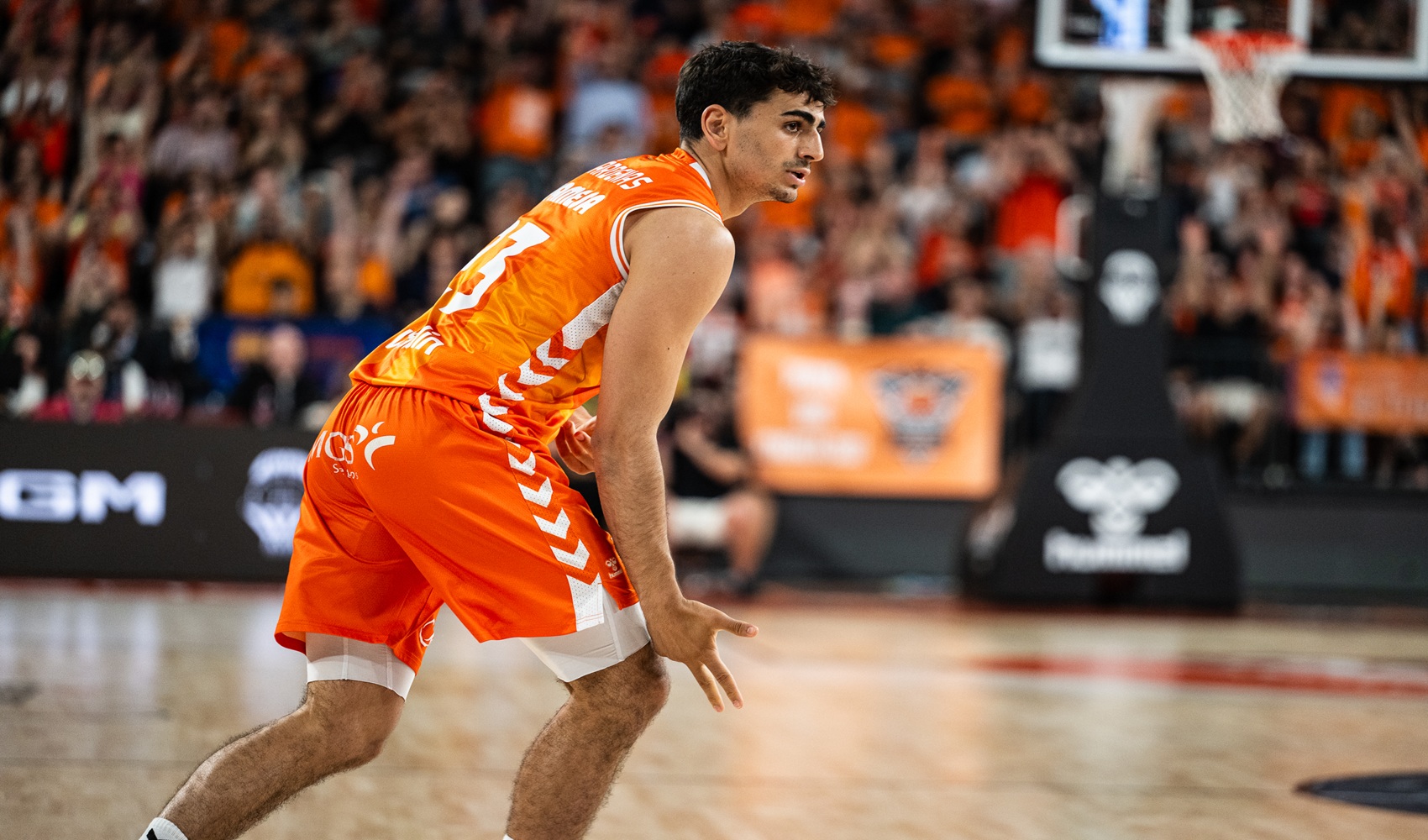

Some players are born with the road, in a way, already paved for them. Whether because of their physical tools or sheer talent, they get labeled early. From a very young age, they start appearing in youth national team call-ups, join elite academies or youth categories, and hear, perhaps too soon, that they are destined for big things. They barely need to look up to see their future right in front of them. Of course, not all of them make it. But the chosen ones usually follow a more or less straight path.
Others, however, spend far too much time looking up, with no certainty that they will ever reach their dream. Álvaro Cárdenas belonged to that second group for many years.
It feels strange to imagine it now.
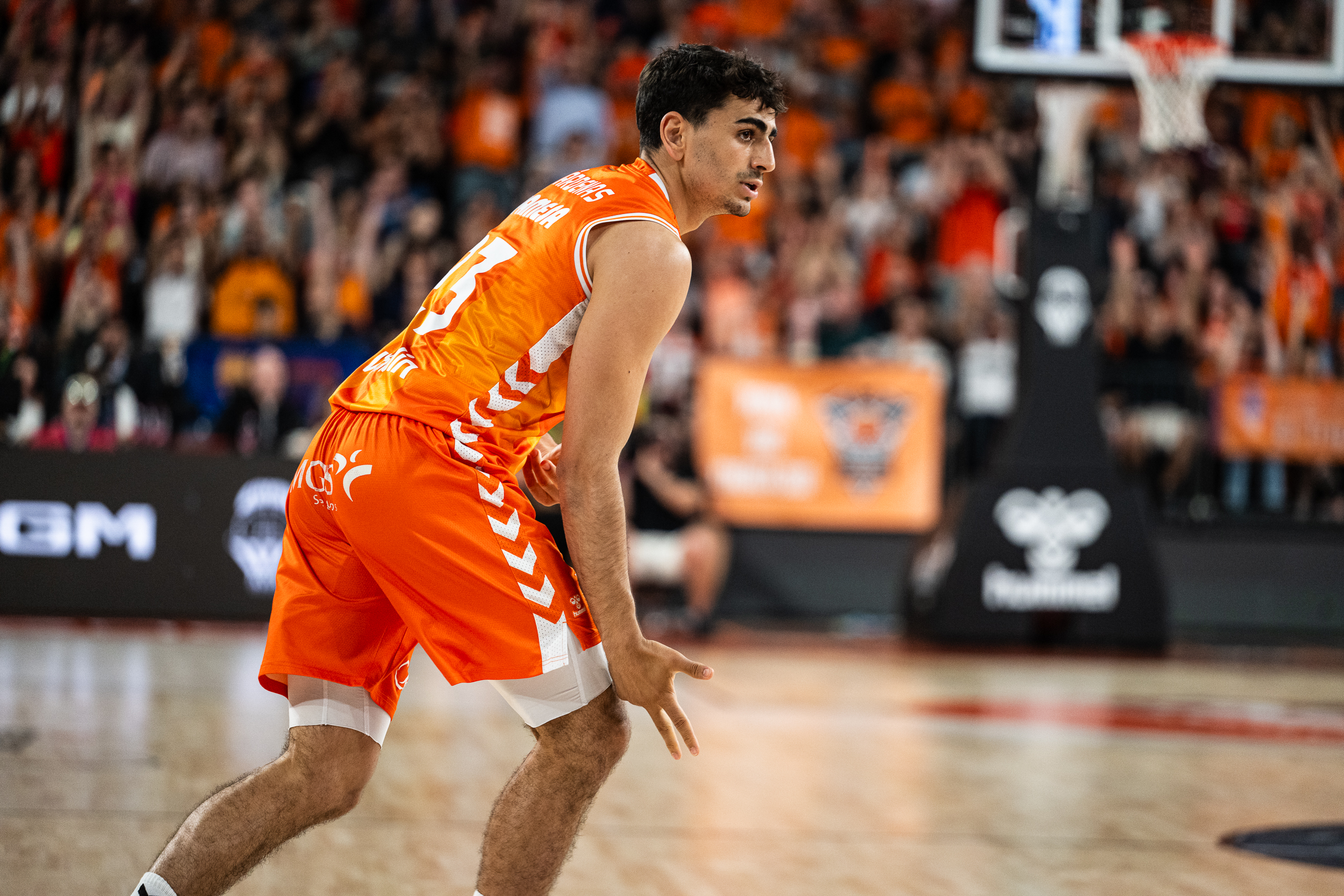
Even more so these days, with the Granada-born point guard playing in the Liga Endesa Finals with Valencia Basket after returning only a few weeks ago from his loan spell with Peristeri in Greece, suddenly becoming a useful piece in Pedro Martínez’s system —just as he has become for Chus Mateo with the Spanish senior national team—. Less than a year ago, he also worked out with the NBA’s Los Angeles Clippers after closing out an outstanding NCAA career.
Not bad for someone who stood barely 5-foot-5 at sixteen years old. But the truth is that reality seems to have developed a curious habit with him: constantly underselling him.
Let’s go back in time, to that age when basketball can be especially cruel if physical tools are not on your side and labels are always waiting around the corner.
At sixteen, Cárdenas was playing for La Zubia, a modest club in the metropolitan area of Granada. He was not even part of Covirán Granada’s —the club that had recently been relegated from the ACB— youth teams . He had never played for Spain’s youth teams, nor had he been involved in any high-performance development program.
But he wanted it more than anyone else.
And at home, basketball was more than just a game: his father, David Cárdenas, is a veteran coach with experience at the ACB level and a highly respected university professor. He is widely considered one of the deepest basketball minds in Spain.
That was the environment Álvaro grew up in.
He learned basketball’s language almost before learning many other things. He developed an almost obsessive relationship with a dream that, at times, seemed highly improbable: becoming a professional player.
Even while his body lagged behind, there were qualities that already stood out in the Granada guard: talent, feel for the game and, above all, an unusual competitiveness and work ethic. Combined with the tactical richness he absorbed at home, those elements slowly formed a mix that would eventually mature far away from the spotlight.
But by then, he had already developed a survivor’s mentality.
At only eighteen years old, with no guarantees that the journey would end well, he probably made the most difficult decision of his life: he moved to Jindřichův Hradec, a small town in the Czech Republic, joining Get Better Academy and centering his entire life around basketball.
No, it was not exactly the dream destination people picture when imagining the pursuit of an athletic career. There were no spotlights, no packed arenas and no flashy highlight videos. Just an unfamiliar city, thousands of miles away from Granada, and a gamble filled with more uncertainty than certainty.
But sometimes things change in places where nobody is paying attention. And that is exactly what happened. While others waited for opportunities, Cárdenas decided to go searching for them himself.
Still, the COVID pandemic darkened the landscape. The season was canceled after only six games, leaving him with almost no exposure in the United States, which had always been the ultimate goal.
Terrible timing.
Fortunately, San José State entered the picture.
In California, the point guard had to adapt to a different culture, a different language and a completely different way of understanding basketball. No problem for someone as fiercely competitive as Cárdenas.
His development began accelerating while he remained largely unknown back home in Spain. He kept putting in more work every day, but without making much noise.
Then came the summer of 2024. Amid the chaos of the NIL era, he transferred from San José State to Boise State for his final college season. His obsession with playing in March Madness took him to Idaho, but he ultimately fell just short of reaching college basketball’s biggest stage despite putting together a solid season: 11.5 points and 6.9 assists per game with the Broncos.
Unfortunately, missing out on March Madness may still stand as the biggest disappointment of his career. But everything that has happened since then only reinforces one thing: labels simply do not apply to Álvaro Cárdenas. Because he has spent years tearing them down, one by one.
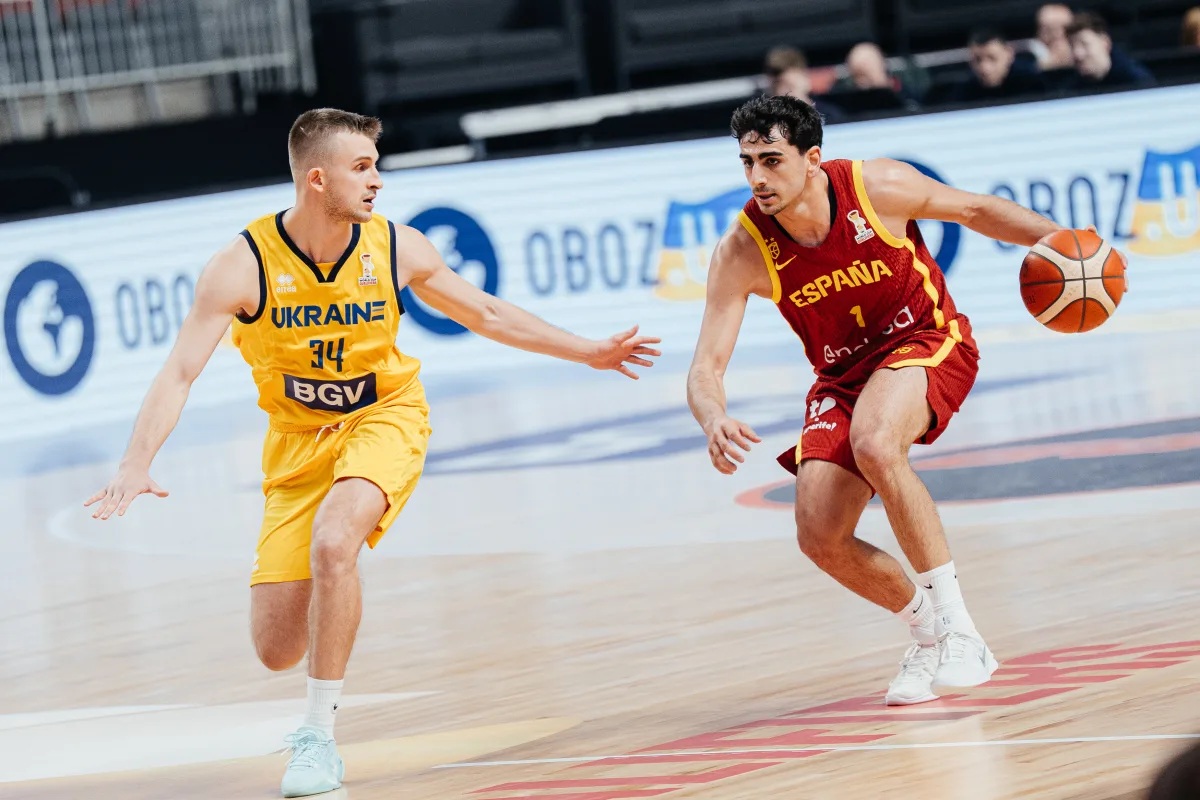
In the summer of 2025, he participated in several workouts with the Los Angeles Clippers, signed with Valencia Basket and was called up to Spain’s B national team, where he performed so well there that Sergio Scariolo eventually brought him in to help prepare the senior team for EuroBasket.
As much as his physical growth had been significant compared to what anyone expected when he was sixteen —he now stands at 6-foot-1 with a strong, sturdy frame— almost nobody would have dared predict only a year ago that Cárdenas would become a regular presence in Chus Mateo’s plans for Spain’s World Cup qualifying windows.
By then, he was already proving himself capable of handling another challenge: as a rookie, he had become the starting point guard for a European competition team, repaying the trust placed in him by Vassilis Xanthopoulos during his first season as Peristeri’s head coach.

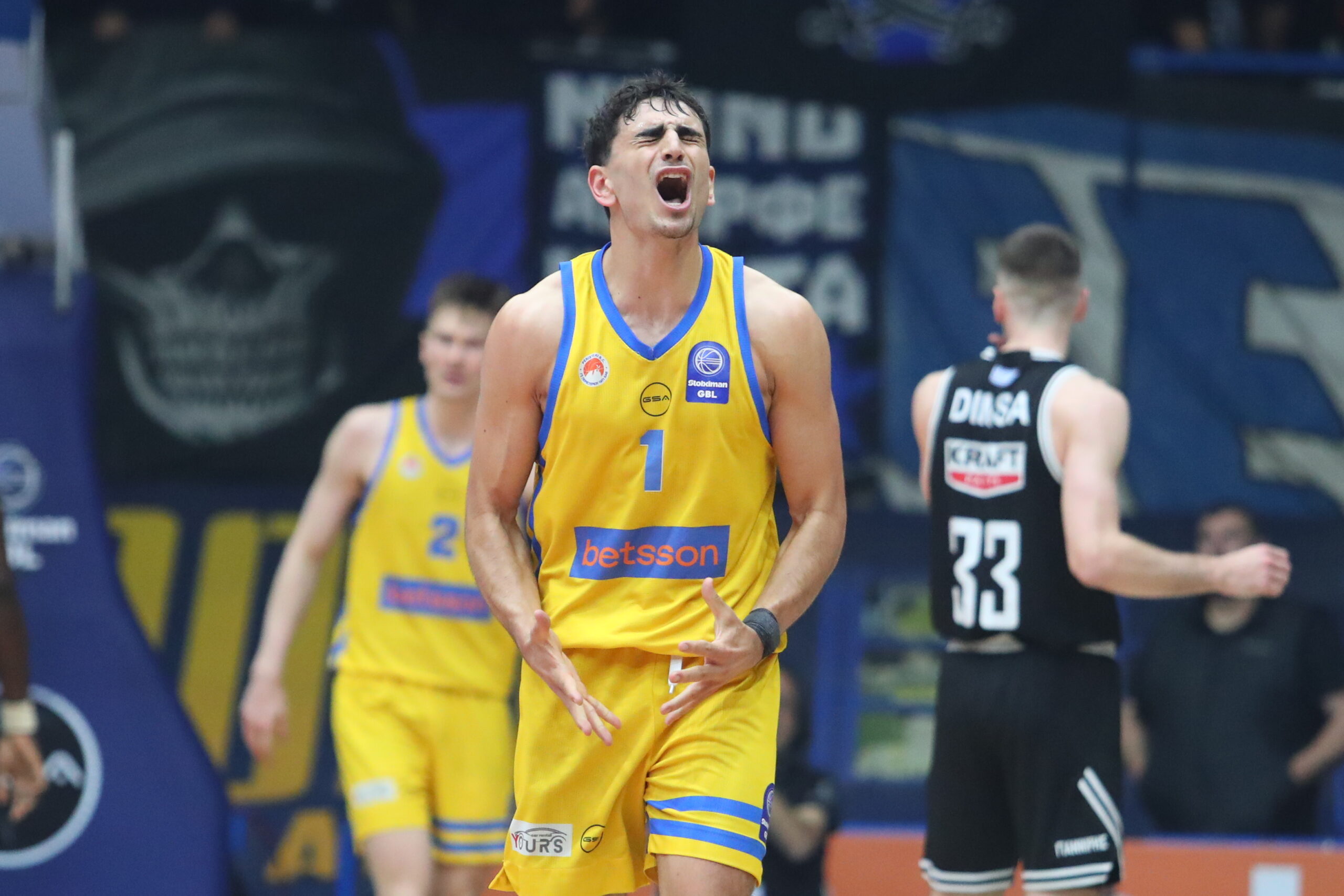
His level in Greece —matching up against players such as Kendrick Nunn and Thomas Walkup— had been impressive enough that Valencia immediately brought him back once the season ended, despite an already crowded backcourt.
And somehow, he has found his place there too. In an Euroleague Final Four team.
During the Liga Endesa playoffs, Pedro Martínez inserted him into the rotation ahead of none other than Darius Thompson, even stating publicly that Cárdenas is “part of the club’s future.”
In the end, Álvaro Cárdenas’ journey has been as unexpected as it has been brilliant. Nobody in their right mind would have imagined that skinny kid from La Zubia ending up where he is today.
Because, as Chus Mateo said a few weeks ago on Tirando a Fallar radio show, not every path is straight:
“Álvaro’s case proves many of us wrong, myself included, because we sometimes make statements too quickly that later come back against us. He is an example of hard work and survival. He was never part of an elite youth program, and that says a lot about his character, regardless of his talent, which is tremendous. His ability to endure hardship and bounce back from frustration speaks volumes about his values.”
Right now, there may not be a better example in Spanish basketball for the vast majority of young players. The ones who are not supposed to make it.
For years, Cárdenas spent his time looking up, dreaming of reaching the place where he stands today.
Now more and more people are looking up themselves, trying to follow a path as inspiring as it is real.