


At just 40 years old, Peppe Poeta is already living what many coaches spend an entire career chasing: the opportunity to lead one of European basketball’s biggest institutions. His resume as a head coach may still be in its infancy, but the experiences he has accumulated over nearly two decades in the game have accelerated his development, shaping a basketball philosophy that blends humility, adaptability and relentless competitiveness.


Long before stepping into the spotlight as the head coach of Olimpia Milano, Poeta built a respected career as one of Italy’s smartest point guards. Floor generals are often described as coaches on the court, and that label suited him perfectly.
From his early years in Salerno and Veroli to stops with Teramo, Virtus Bologna, Laboral Kutxa Vitoria, Manresa, Trento, Torino, Reggio Emilia and Cremona, Poeta earned a reputation for seeing the game one step ahead. He also represented the Italian national team, experiences that broadened both his understanding of basketball and his leadership qualities.
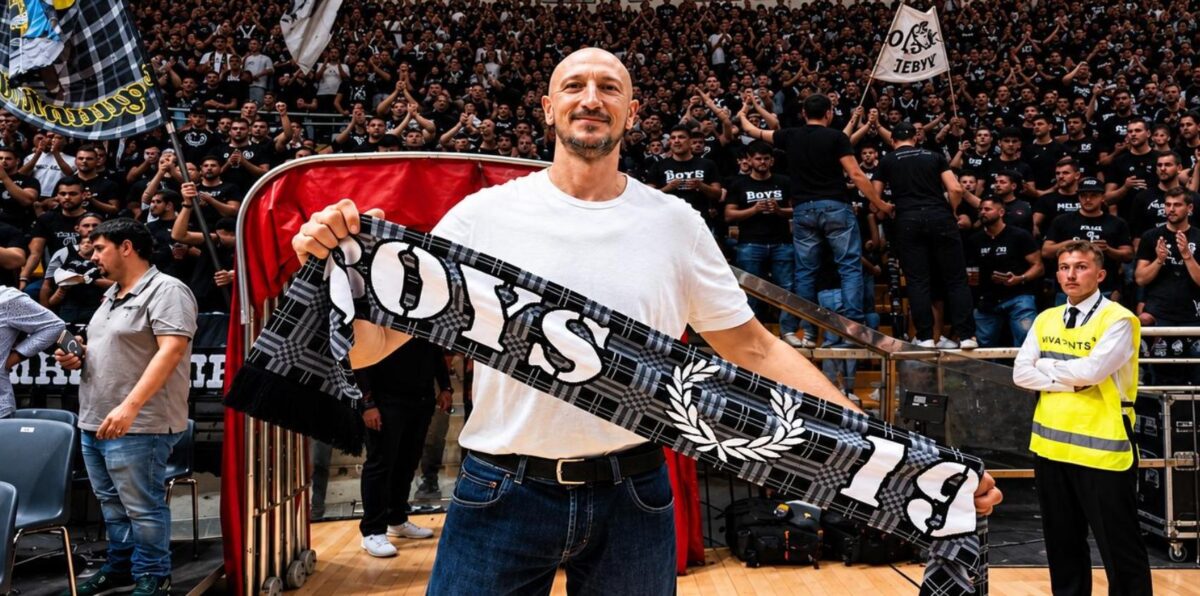
Retirement, however, never marked an ending. It simply opened the door to a second career that appears every bit as promising as the first. After serving as one of Ettore Messina‘s assistants at Milano and simultaneously working with Italy’s national team under Gianmarco Pozzecco, Poeta quickly established himself as one of the brightest young coaching minds in Europe. His impressive work with Brescia, whom he guided to the first Italian League Finals in club history, earned him the opportunity to return to Milano as the man in charge.
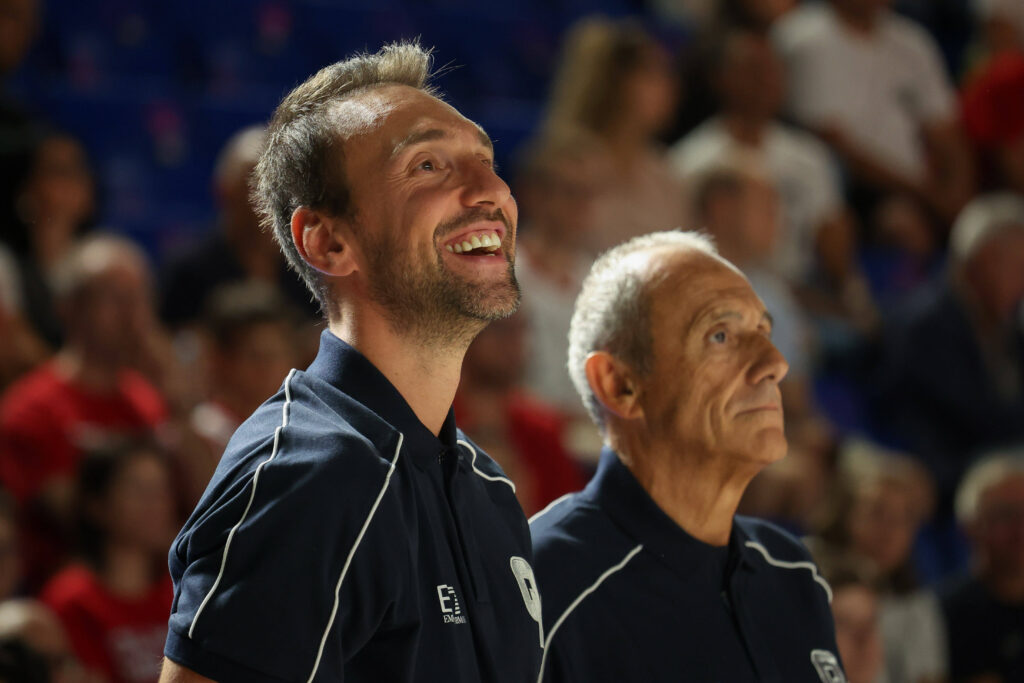
His first full season could hardly have unfolded better. Domestically, Olimpia swept every trophy available, capturing the Italian League championship, the Italian Cup and the Italian Supercup. Yet despite the silverware, Poeta has never hidden his standards. The EuroLeague playoffs remained out of reach, and throughout our conversation he repeatedly returns to accountability rather than excuses, insisting that “the court never lies.”
These days, Poeta was in Athens for the EuroLeague Head Coaches Congress, organized by the EuroLeague Head Coaches Board at the T-Center.
SKWEEK took the chance to sit down with the Italian coach for an extensive conversation that went far beyond tactics. We discussed his relationship with Messina, why body language matters more than missed shots, the difficult decision to leave Lorenzo Brown out, the arrival of Alec Peters, the future of Olimpia Milano, the challenges facing European basketball and why, despite already winning so much, he still believes he has everything to prove.
As a coach, you’ve always spoken about enthusiasm and tolerance for mistakes. What’s the one mistake you simply cannot tolerate?
Bad body language. For me, that’s the only thing I don’t tolerate. I’d rather someone tell me “fuck you” than show bad body language. It’s one of the very few things I can’t accept.
How do you recognize bad body language?
Maybe it’s experience.
Everyone notices bad body language, and it’s contagious. Just like enthusiasm is contagious. If you walk into a room and there are three people laughing, you can’t help but smile. Bad body language works the same way, only in a negative sense.
How important is selflessness?
That depends on the characteristics of the player. Some players are naturally more selfless than others. There are also roles where you need players who are more selfish, in a basketball sense. More scorers, fewer scorers. More defensive players, fewer offensive players. Logically, every coach would like to have selfless players, but sometimes you also need someone with personality who wants to take responsibility.
Who is the most selfless player you’ve ever met?
That’s a good question. Probably my ex-teammate, Angelo Gigli. He also played many years in the EuroLeague.
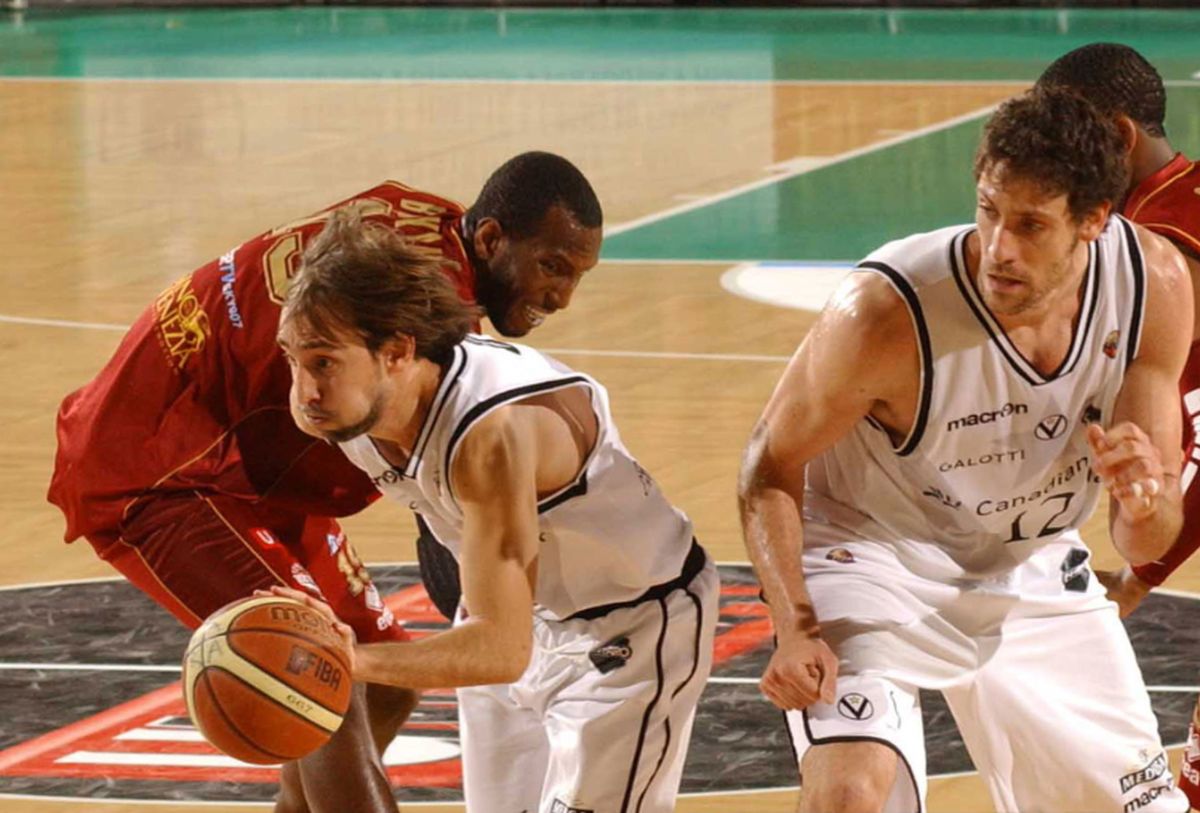
Many coaches talk about managing the group, but when decisive moments arrive they always rely on hierarchy. You’ve often seemed to prioritize meritocracy.
That’s true. But in the end, every coach does. I think the coach is the most selfless person of all. Saras said it the other day. The coach is the most selfless person because he’s the only one who thinks only about winning. He tries to do whatever is right to win.
How difficult is it to tell an important player that he isn’t going to play tonight?
Very, very difficult. You try not to put yourself in those situations because hierarchy is important. Meritocracy has to exist within those hierarchies.
If you had to choose one moment when you truly felt you had become Olimpia Milano’s head coach—not on paper, but inside the locker room—which would it be?
Probably when we won the Italian Cup. It was a huge relief. It was the first trophy of my coaching career, and Milano hadn’t won the Italian Cup in four years. That was the moment when I felt particularly happy.
Even today, though, I try not to feel the weight of sitting on such an important bench, in such an important role, succeeding so many legendary coaches. Otherwise, that weight could crush you. I just try to enjoy the moment and enjoy the journey.
During last season, was there a particular moment? A timeout? A discussion with one of the veterans?
No. The defining moment was when we decided together with the club to leave Lorenzo Brown out. That wasn’t easy for me.
Why?
Because for a rookie coach like me, leaving out such an important personality—a player of his stature—wasn’t easy. But I did it for the good of everyone.
What didn’t work?
Lorenzo is a particular player. He needs to spend a lot of minutes on the floor because of the type of player he is. He had also suffered a lot of physical problems over the final three or four months of the season. In the meantime, the team had found different balances, and it was difficult to bring him back in a secondary role. That’s just how it went.
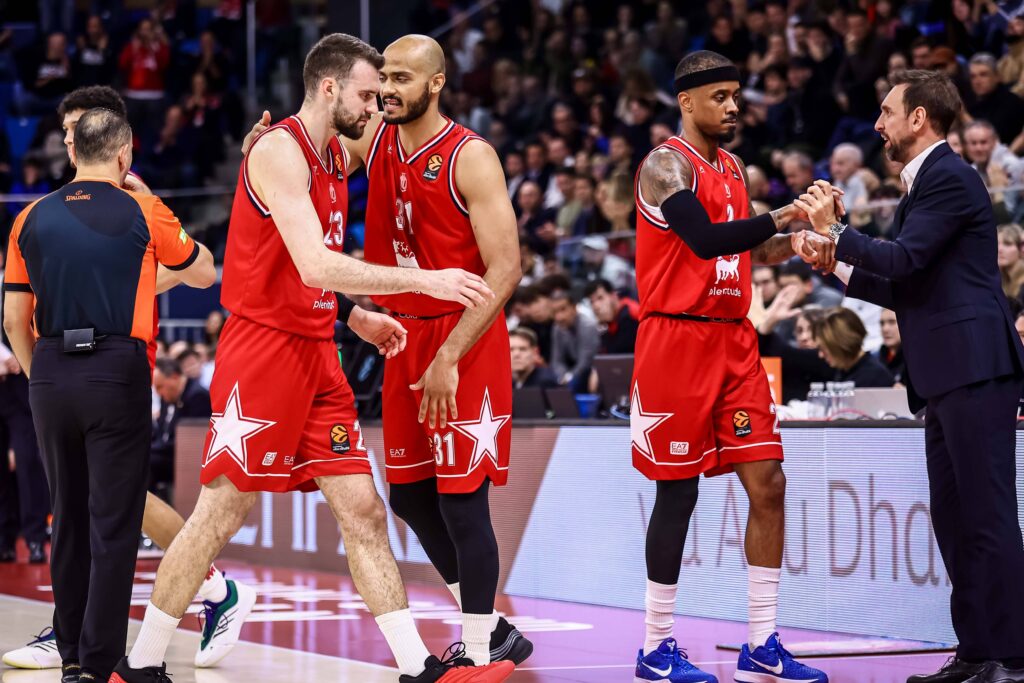
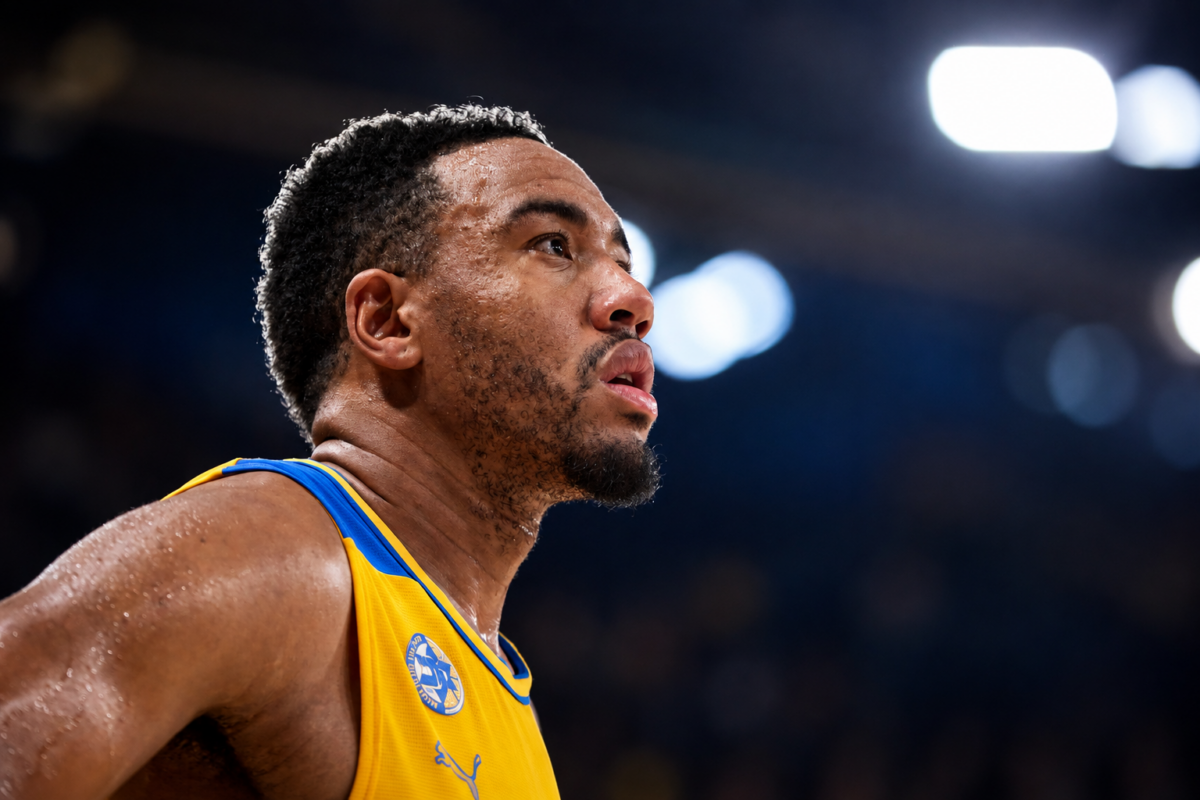
Now you have Alec Peters, one of the best shooters in Europe. He’s also arriving because he’s looking for a more central role than the one he had before. How important is it, when building a team, to convince him that he’ll be a protagonist in Milan?
It’s important. But I think Alec is one of the smartest people I know in basketball. He has an extremely high basketball IQ. He’s an intelligent player. He’ll definitely have a central role.
Would you say Peters is simply another piece of the puzzle?
No. He’s one of the important pieces of the puzzle on which we’re building this team. He’ll certainly be our starting power forward. He’s one of the key players around whom we’re building the future.
Peters is also coming from four consecutive Final Fours, a EuroLeague title, and one of the most established systems in Europe. As a coach, do you prefer adapting your system to a player of that level, or asking him to adapt once again?
I believe a coach has to bring out the strengths of his players and hide their weaknesses. There shouldn’t be a basketball philosophy that’s independent of the players. There should be a style of basketball that’s functional to the players you have.
When I had Miro Bilan in Brescia, we played twenty post-ups per game. I’m not a fan of post-ups, but it was what the team needed. This year we basically didn’t play any post-ups at all.
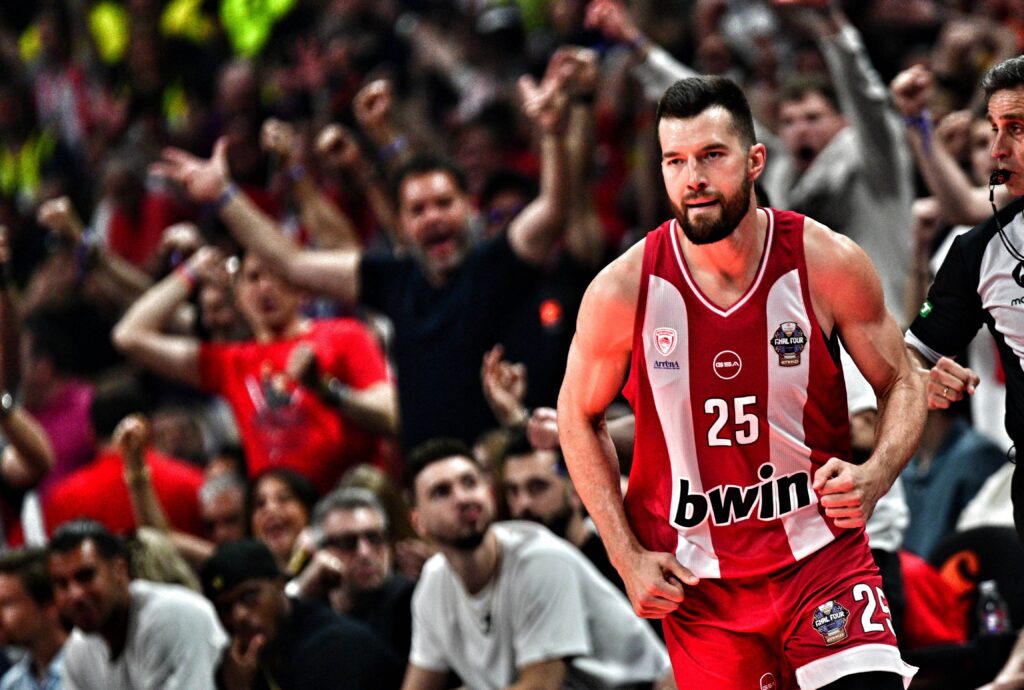
Many coaches today complain about the schedule, the inflated transfer market and the impossibility of building continuity. You belong to a younger generation. Do you think the role of the coach is becoming less technical and more managerial?
No, I don’t think that’s true. There are more games, but you can still clearly see the identity of teams. There are many outstanding coaches in Europe, and it shows.
There are certainly too many games—I agree with all the other coaches on that. It’s a format that can’t work, especially with the intensity of basketball in Europe. Then there are the trips we have to make. It’s not even about the distances compared to the USA; it’s everything else. To go to Turkey, for example, we might spend two hours at customs. There are many reasons why this calendar doesn’t help anyone.
It doesn’t help the coaches, it doesn’t help the players, and it doesn’t even help the quality of the spectacle.
In your opinion, what is the biggest issue European basketball is facing today?
I actually think European basketball is growing. You can see it from the investments that are coming in, from the quality of the games and the quality of the basketball being played.
What we need is a more workable formula between the EuroLeague, the domestic leagues and FIBA for the national teams. I’m not saying we need to revolutionize everything, but we do need to find common ground.
There are players who finished their club season on June 21 and are still playing today. We finished the Finals against Venezia on June 20, and I still have four players who are playing, and won’t finish until July 7. Then on August 10 they’ll report to their national teams, and there’s another international window in August.
They’re immersed in basketball for 12 straight months. That’s not normal. It can’t continue like that.
What needs to be done?
I don’t know. I’m just a coach.
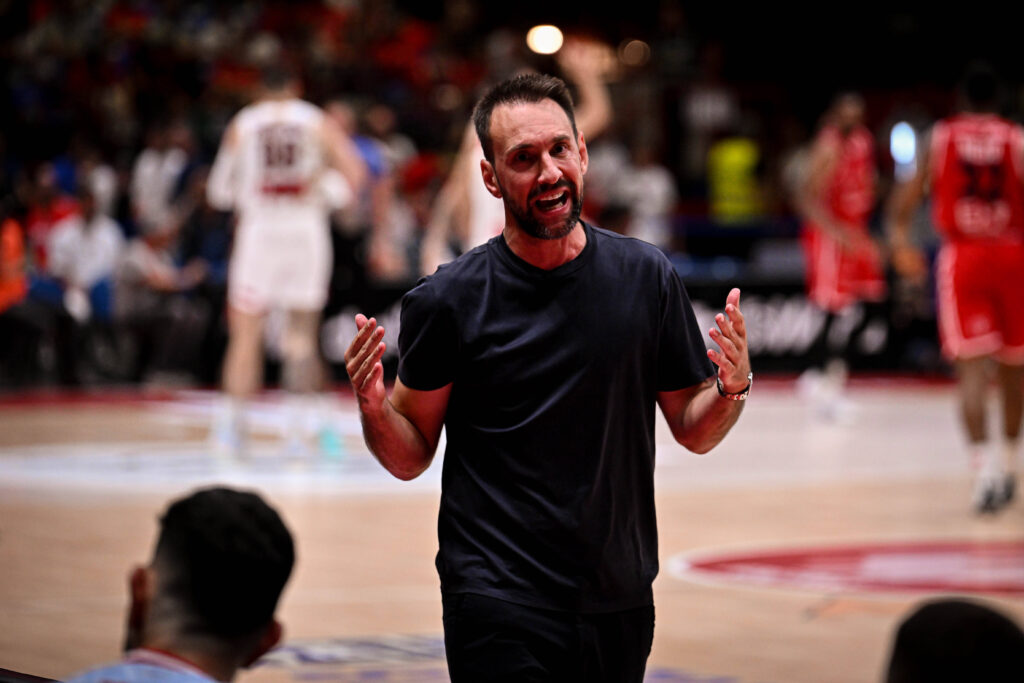
Is there something your generation of coaches still has to learn from legends like Zeljko Obradovic?
Everything. Just spending two or three days here with coaches like Zeljko, Saras, Xavi, Dimitris, Pablo and all the others is incredibly stimulating. They inspire me because they’re incredibly prepared, completely committed and have unbelievable experience. They’ve won so much, yet they still have tremendous hunger. That’s a beautiful thing.
They have a special aura. They have leadership. They have culture.
I genuinely believe the EuroLeague has the best coaches in the world. I simply try to learn, absorb and steal as much as I can from them.
They’re all basketball people. They live for basketball. They’ve won so much, and if you notice, they all speak three or four languages. They’re cultured, capable people. I think that’s a huge added value.
Ettore Messina said his job was to change the culture at Olimpia, and that the handover should have passed to you more gradually. You inherited a team built by him, but today you are building a team that speaks more and more your language. What was the first thing you decided to change?
Ettore left me a team with which we won everything in Italy, so I’m very happy. We tried to extend many of the players we had, but we couldn’t because the EuroLeague market is moving in a different direction. We are not financially strong enough to keep players of that level. However, we are building a team with a strong sense of belonging, a lot of hunger, and we want to make our ownership and our fans proud.
You said Milano didn’t deserve the EuroLeague playoffs. What is the most uncomfortable truth?
We were not clinical enough, not tough enough, but the truth is we didn’t deserve the EuroLeague playoffs. There are teams that played better, stronger, that proved it more, and the court never lies.
What motivates you the most about the responsibility of being Olimpia Milano’s head coach? Does it scare you that, from now on, every decision will ultimately be attributed to you?
No, that’s an exaggeration.
There’s the club, there’s Daniele Baiesi (the Sports Director), there’s Christos Stavropoulos (the General Manager)… It’s not just me. We already have seven or eight players under contract.
Just as I did as a player, as a coach I try to enjoy the journey without constantly thinking about the destination.
Today I’m driving an important car. I want to enjoy it and do my very best.
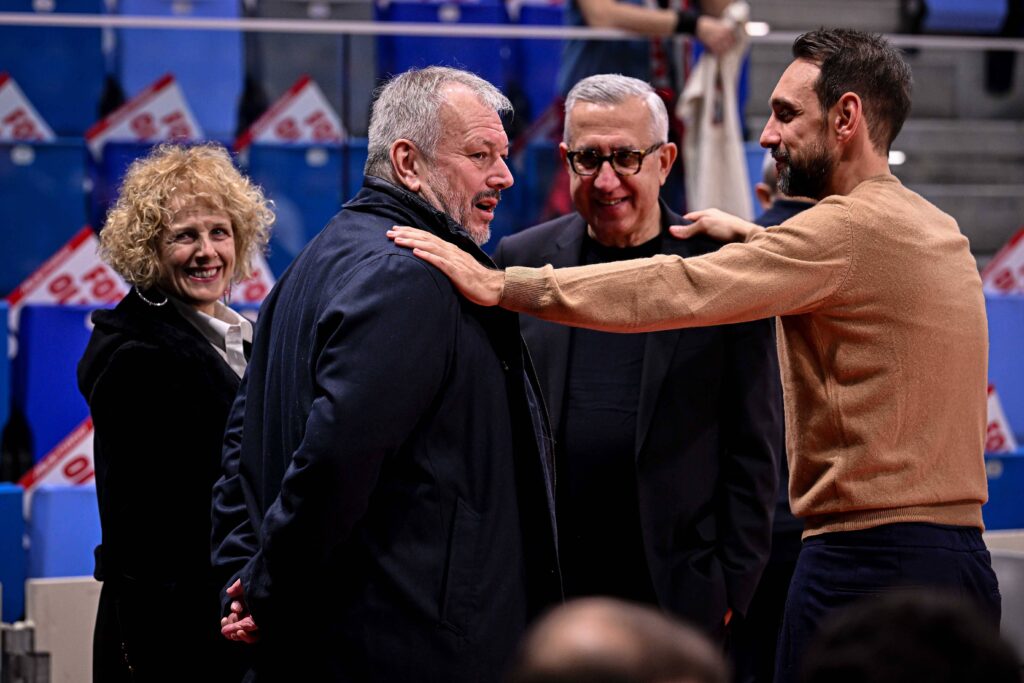
Over the course of a few months, you’ve won trophies, you’ve made extremely difficult decisions and you’ve earned the trust of one of Europe’s biggest clubs. Is there still something you feel you have to prove?
Thank you for saying that.
But the truth is that the journey is long, and we all know that a coach’s life looks like an electrocardiogram. It goes up and down.
When it’s like that, you have to be good enough to prove yourself every single day. That’s the reality. In sport, especially as a coach, nobody lives on memories.
There is only the present and the future.
What did this EuroLeague Final Four tell you about European basketball today?
It was a great Final Four and a great final.
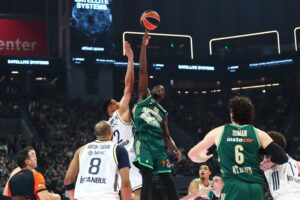
Real Madrid tried to create problems through tactics, especially because they didn’t have their usual size inside. Olympiacos were clinical. They managed to win despite playing under enormous pressure.
What is Olimpia Milano still missing at this point in order to be able to reach the Final Four?
No, no… first of all, we have to qualify for the playoffs.
Our objective is to try to make the playoffs in every possible way. But if we don’t, it shouldn’t automatically be considered a failure.
I don’t like talking about budgets, but it’s obvious there are many clubs that have spent much more than we have.
Have you clearly identified what the roster still needs?
Yes. We’re still missing two players: one perimeter player and one big man. That’s for sure.